






Plants of the Pines
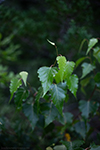
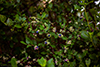
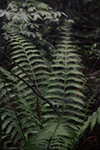
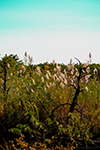
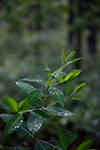
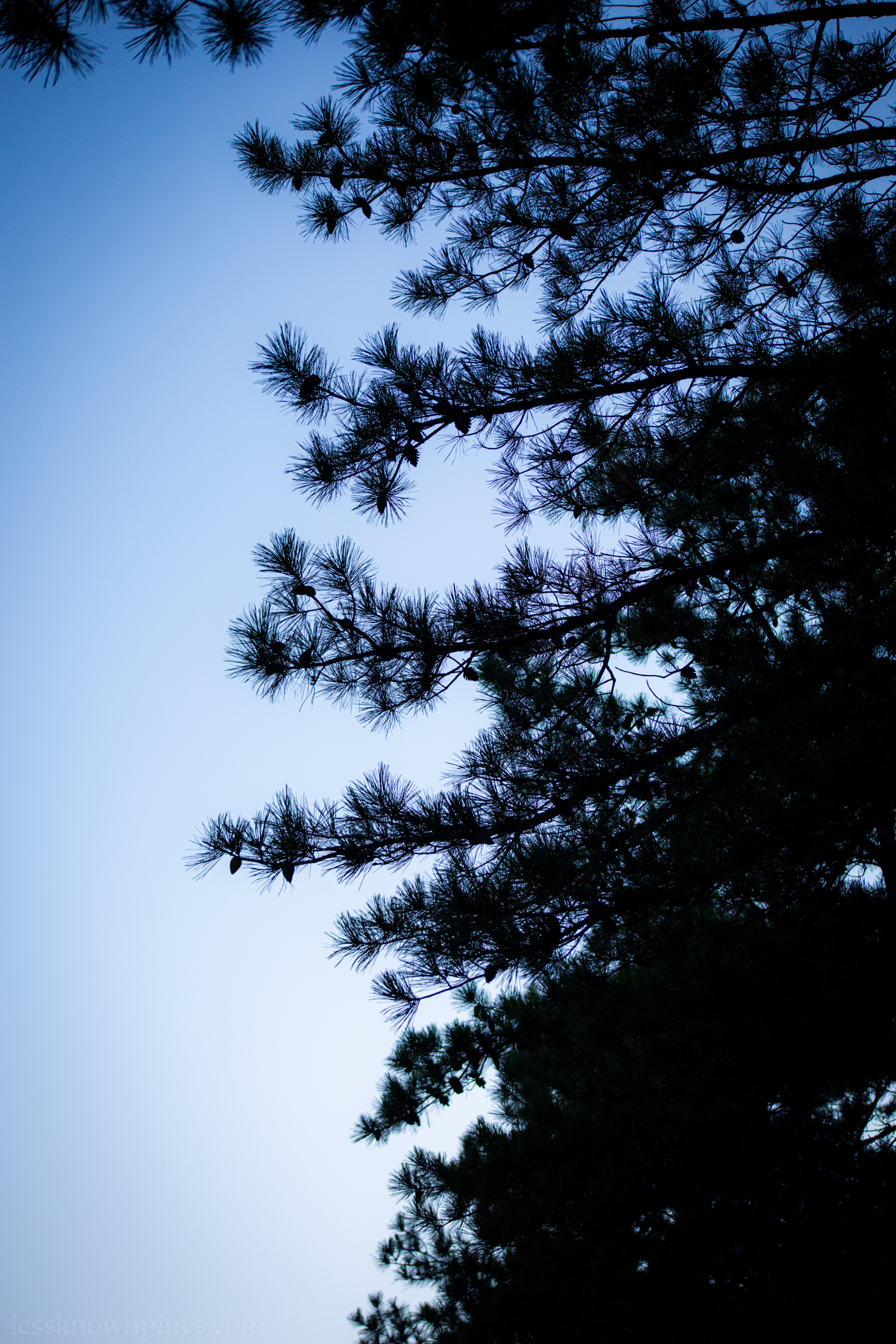
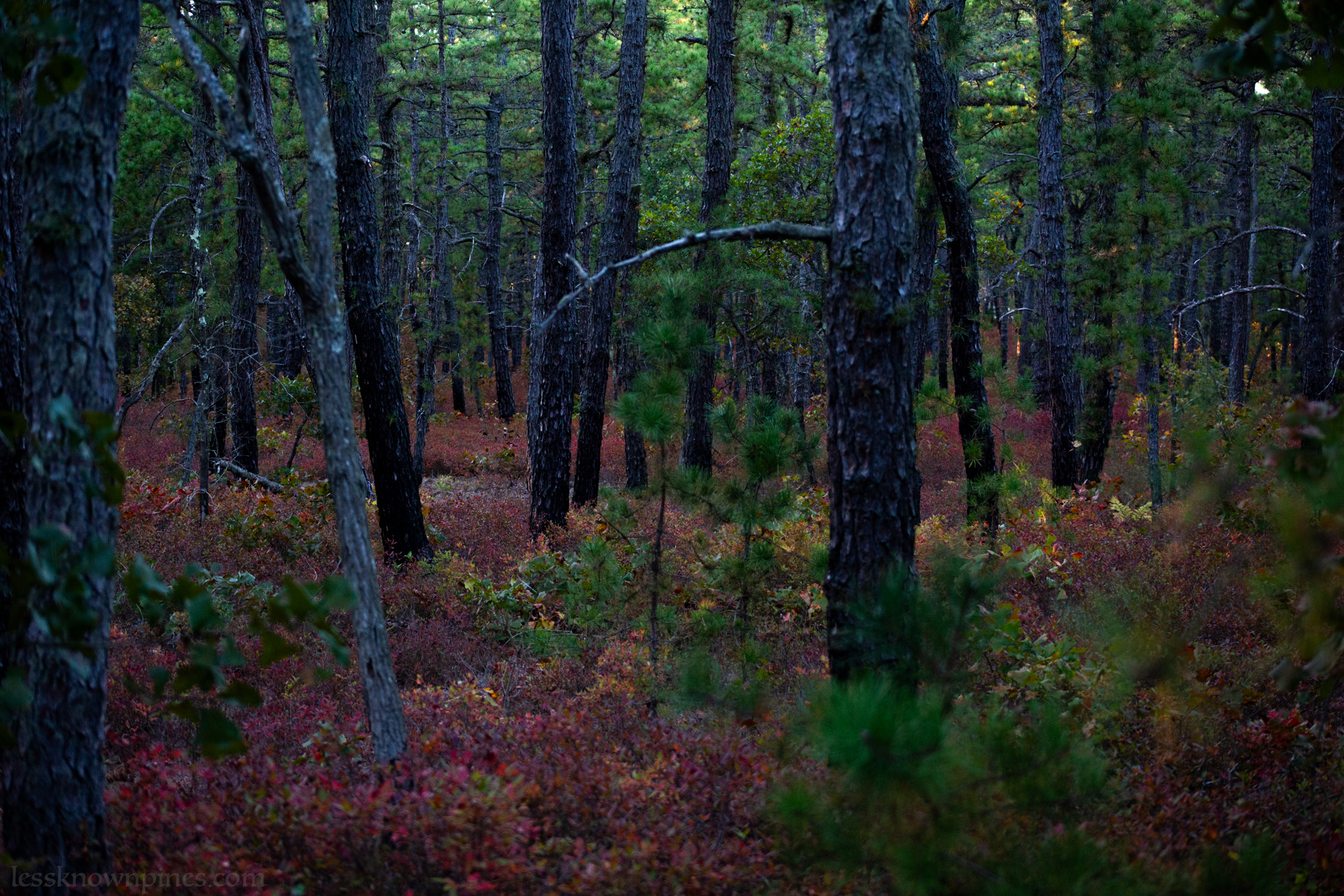
The ground that makes up the pinelands and the entire pine barrens is a sand-based soil that is highly acidic, with a low pH and minimal nutrient content. Although many other species would never thrive in this soil, hundreds of unique plant species have made the pinelands their native home. These hardy plants adapted to live in the pine barrens' poor soil, and can even protect themselves from predators.
Fall Foliage
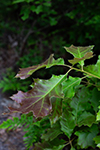
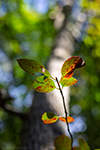
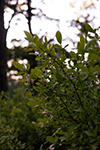
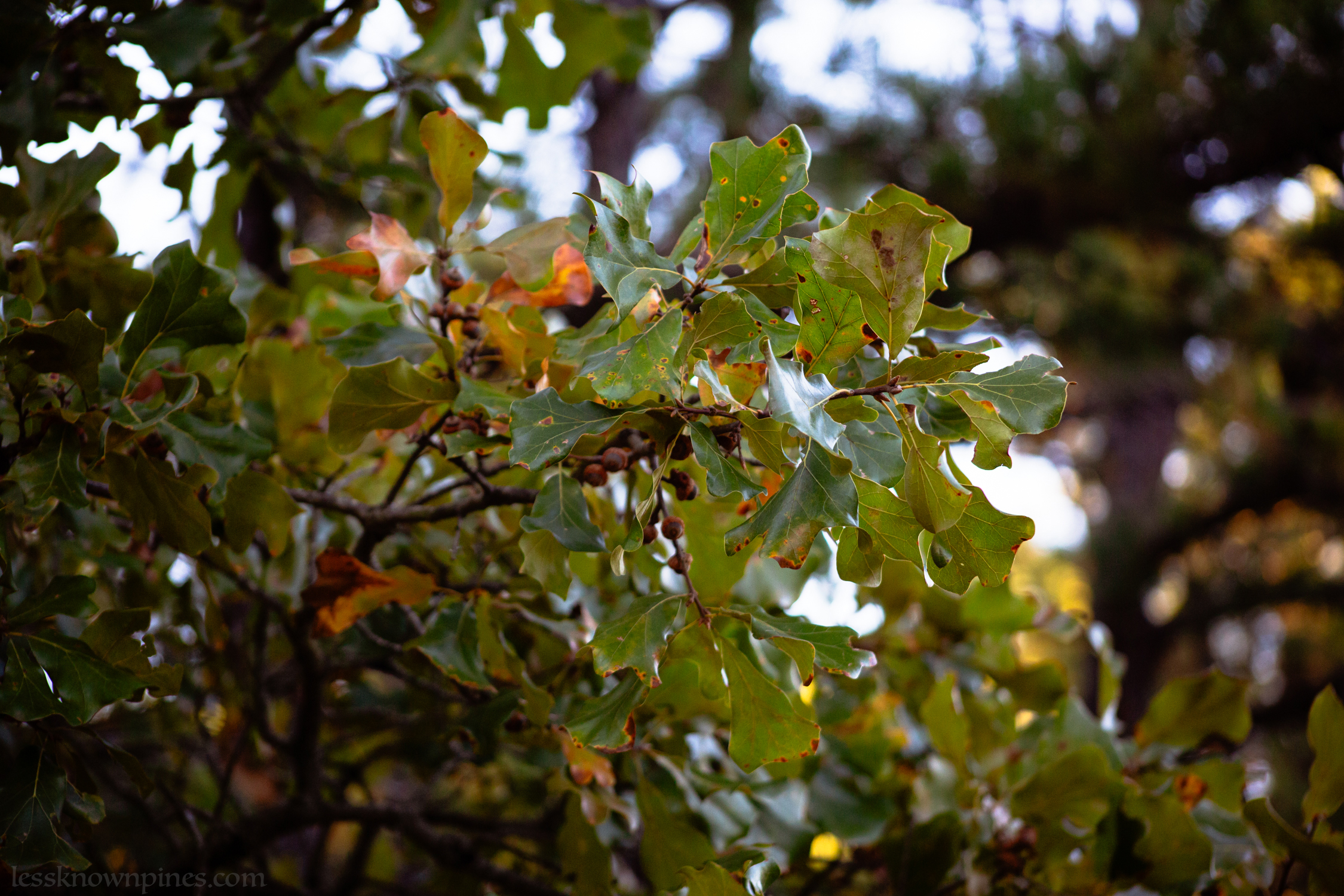
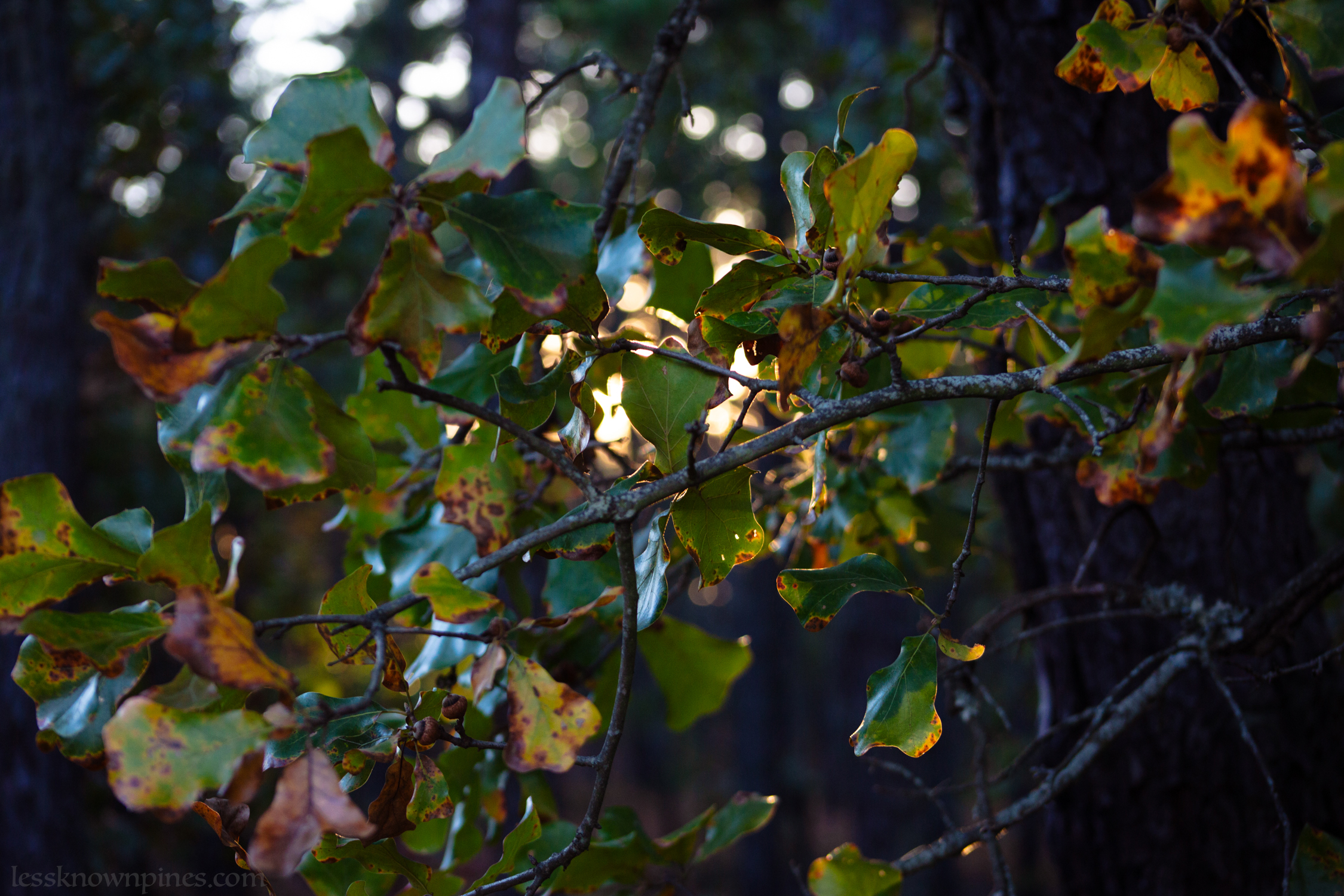
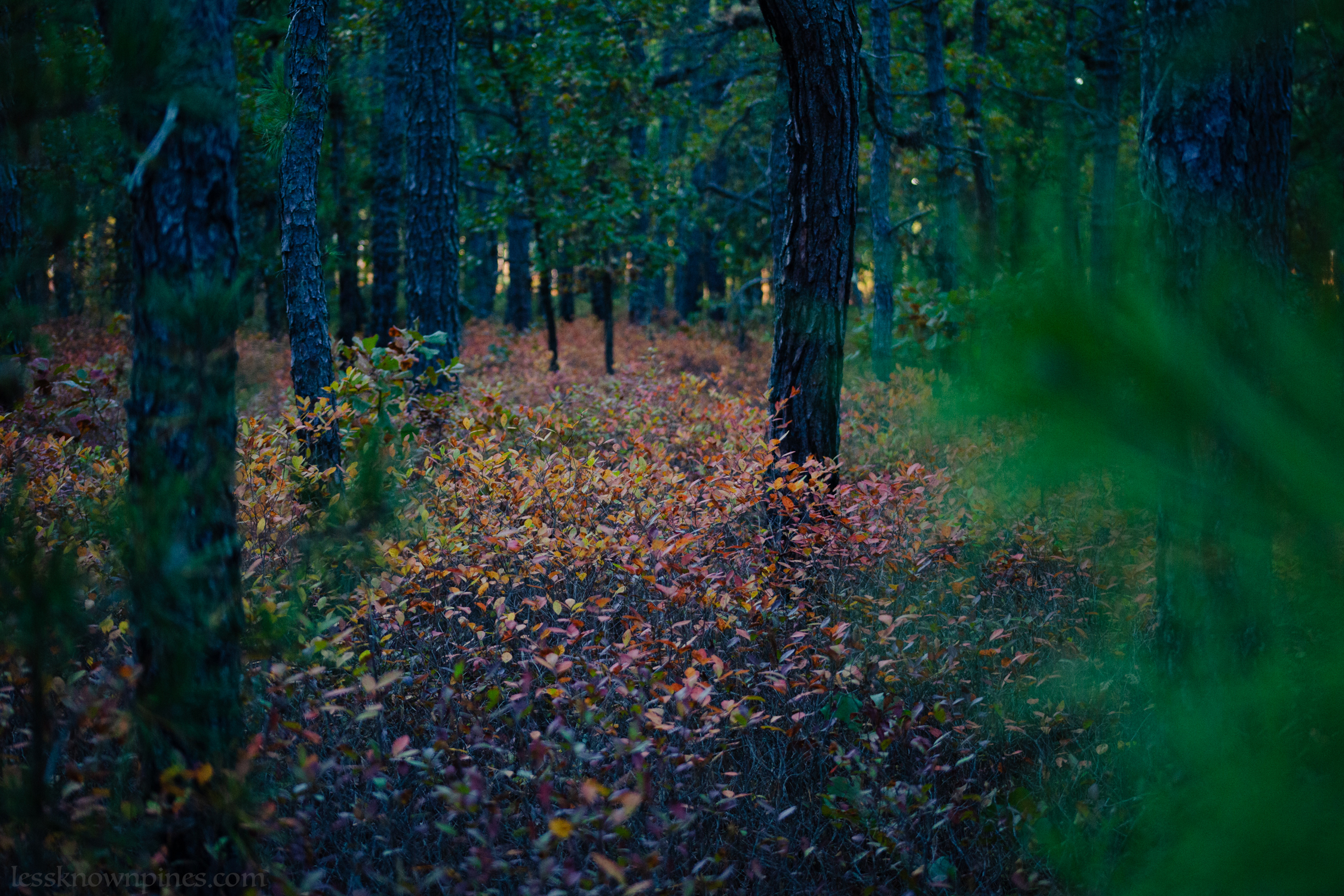
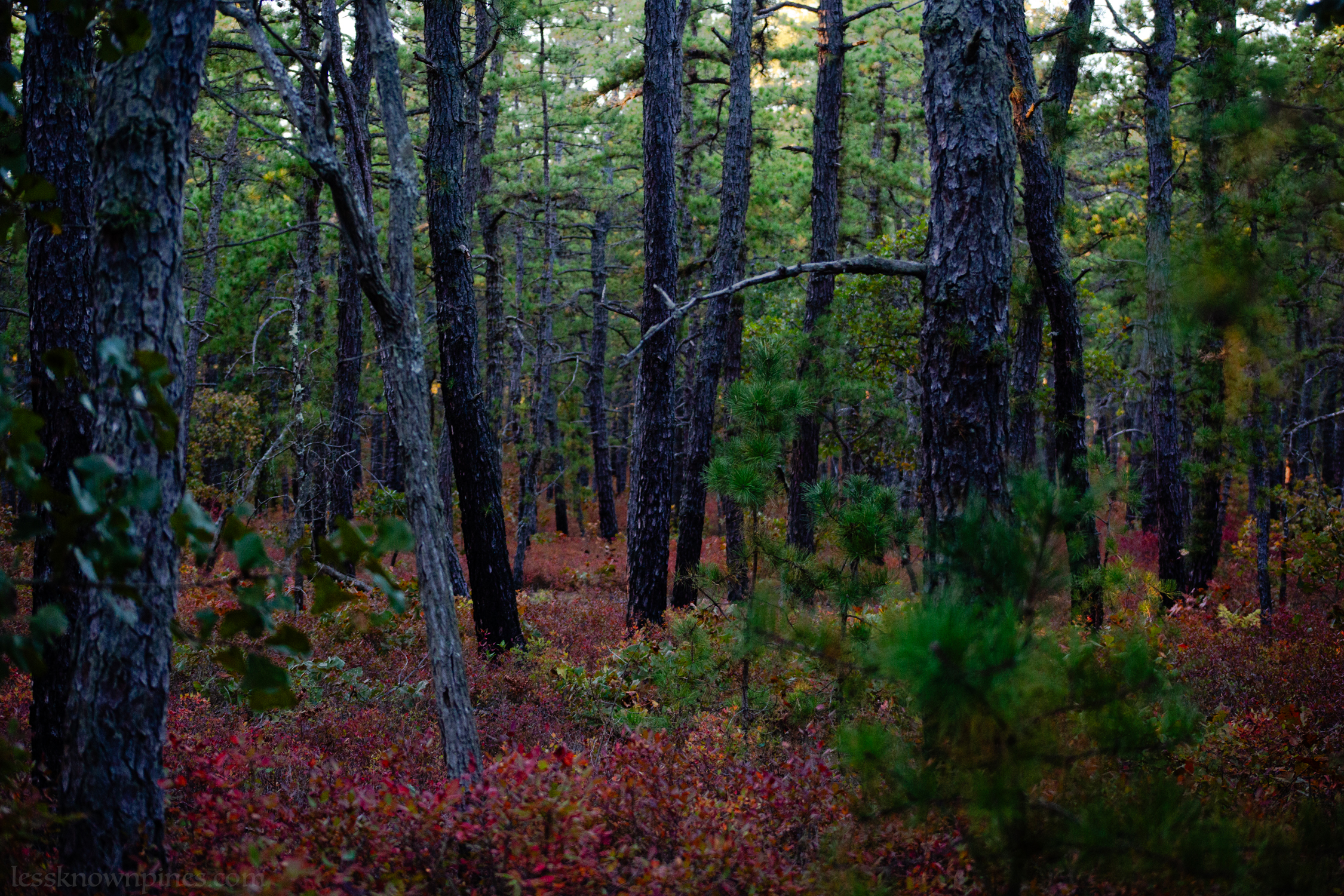
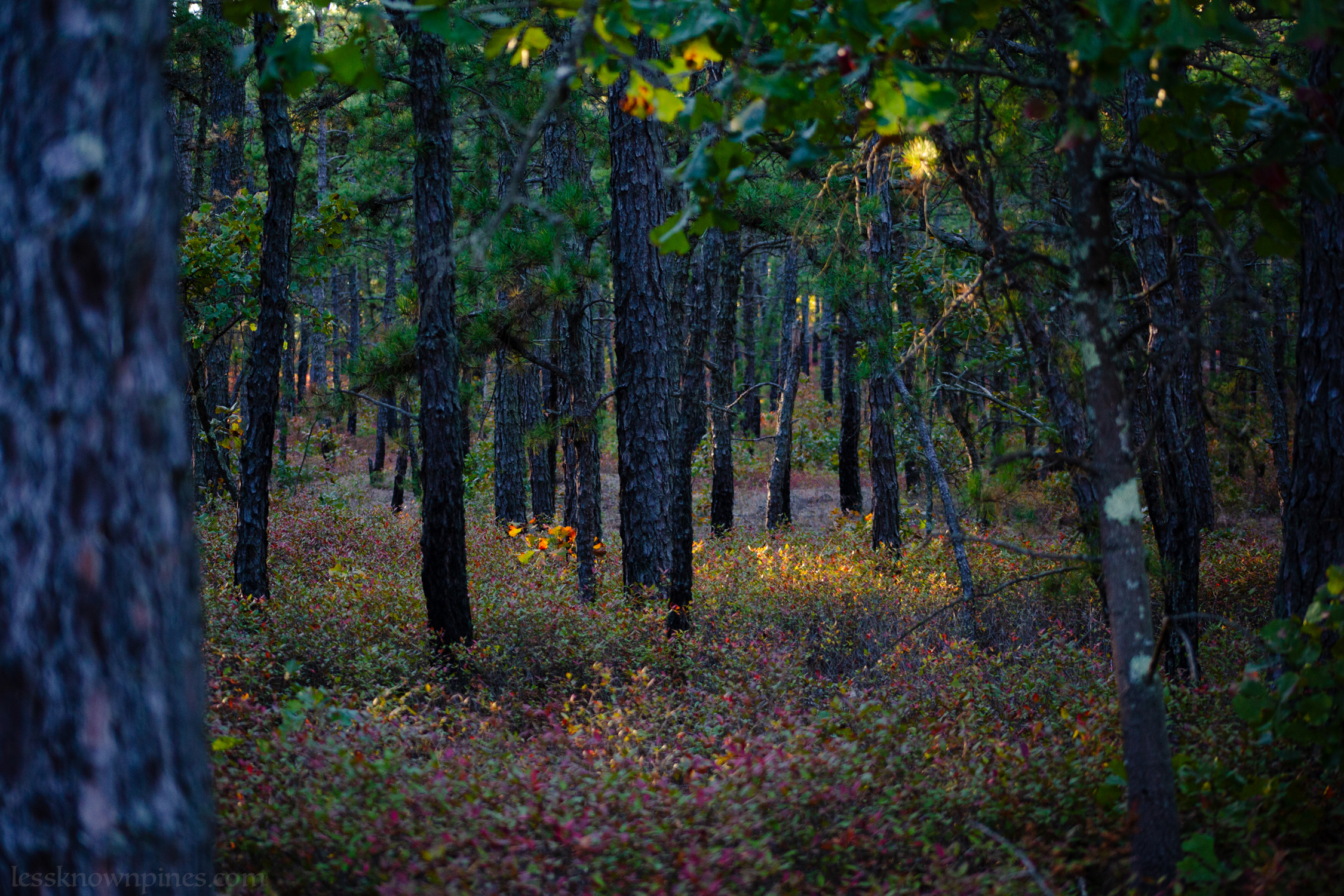
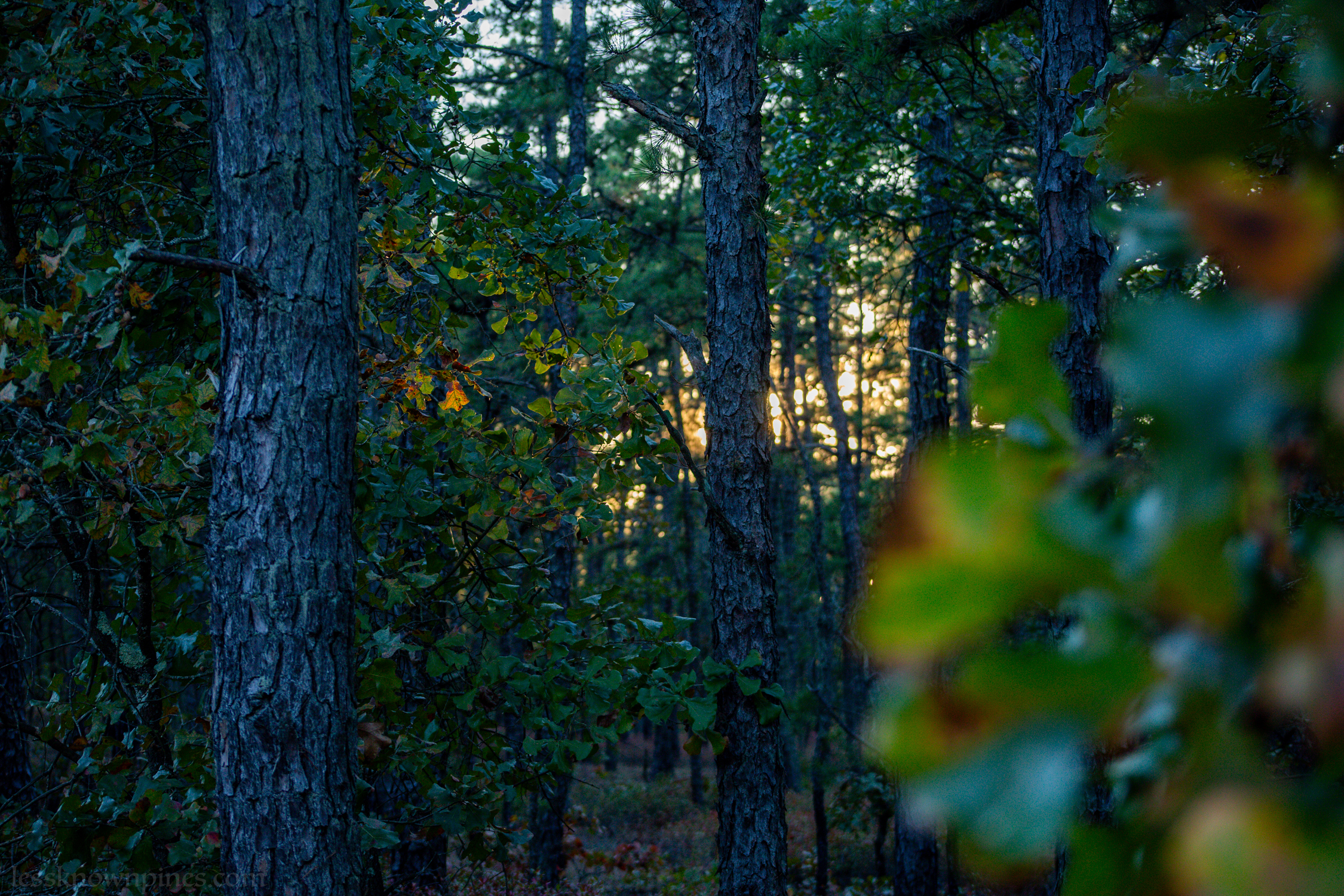
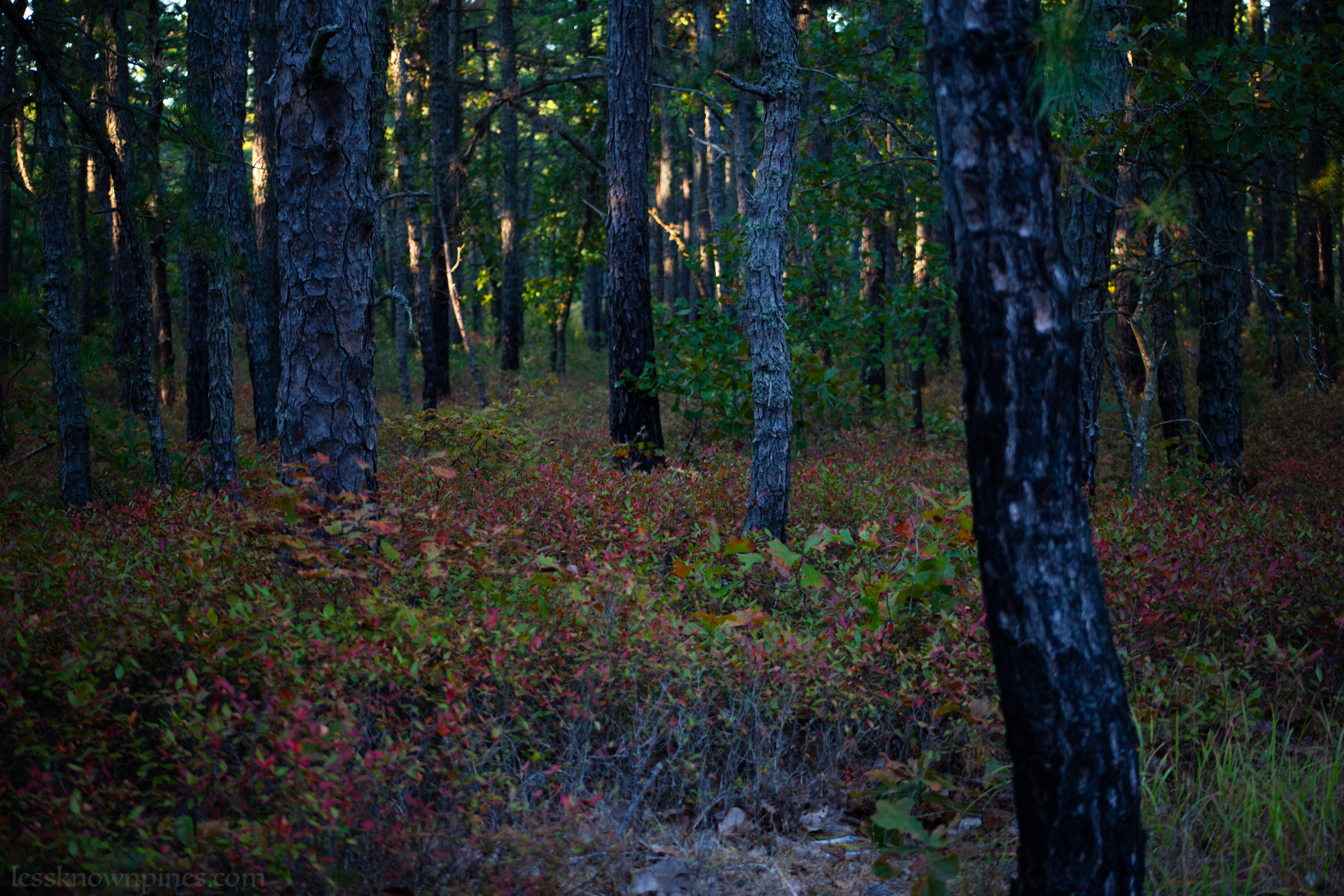
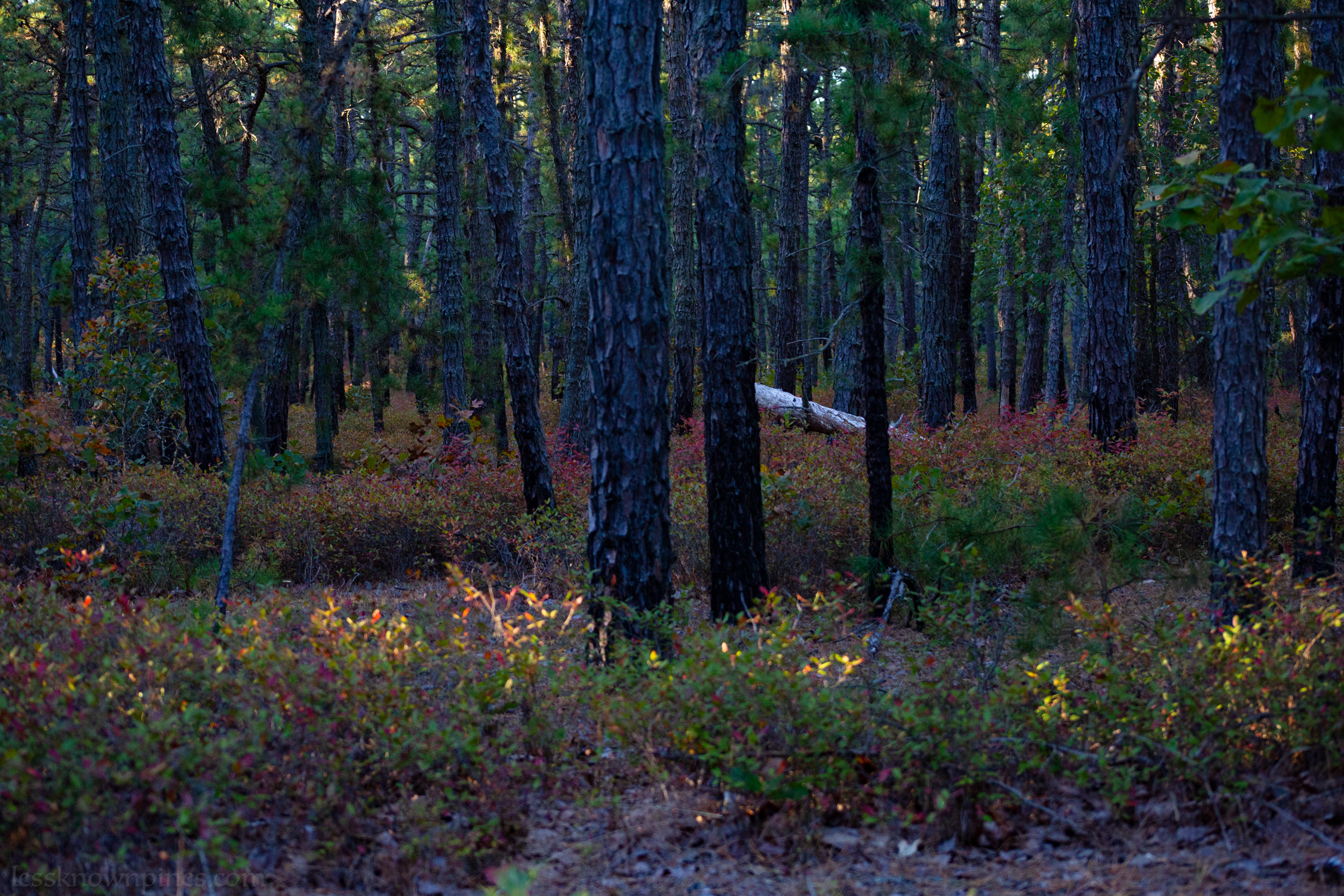
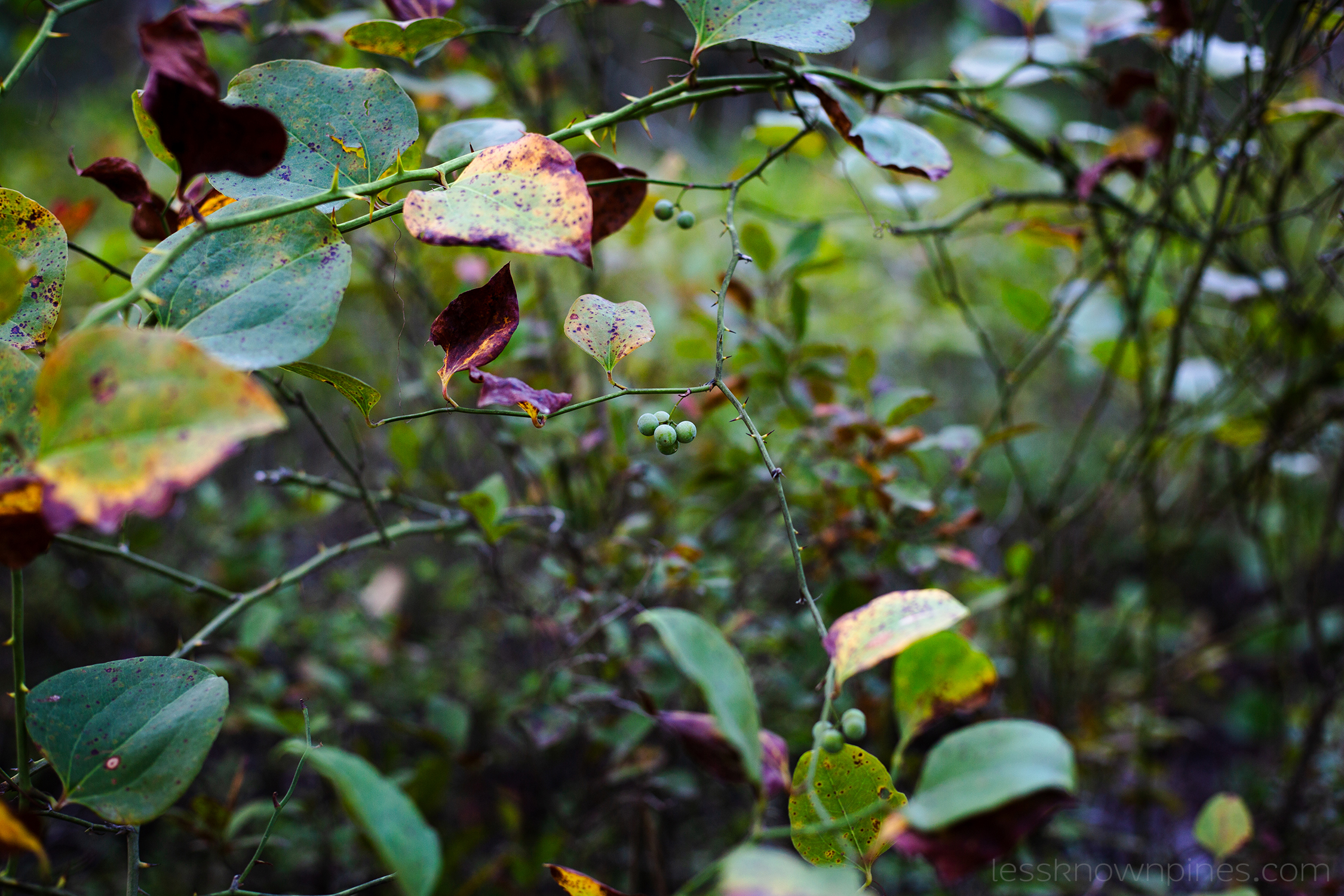
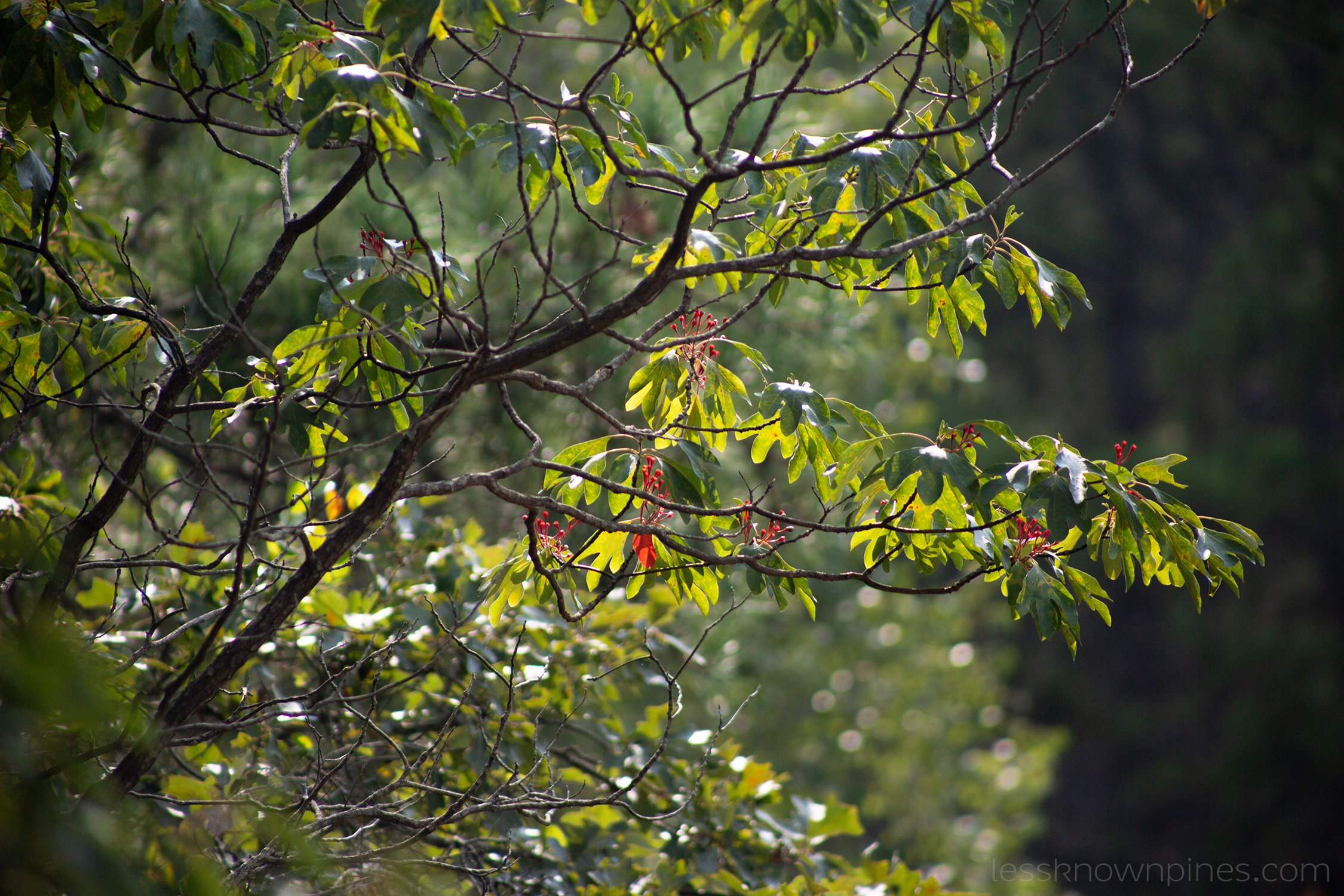
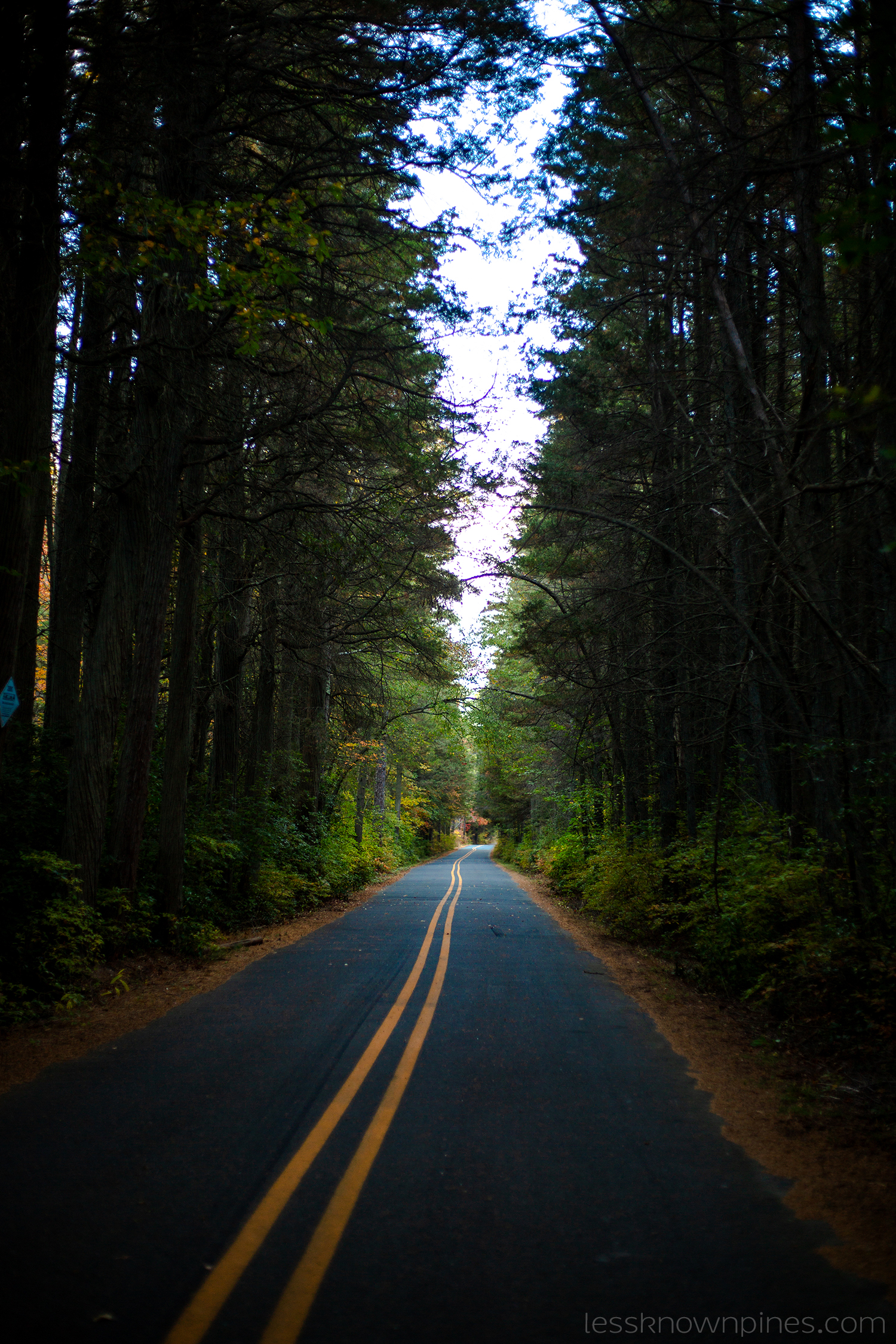
Upland plants present some of the most vibrant fall foliage during October. Both deciduous trees and upland bushes begin their dormancy with scenic, yet hidden views during evening and twilight.
Berries and Shrubs
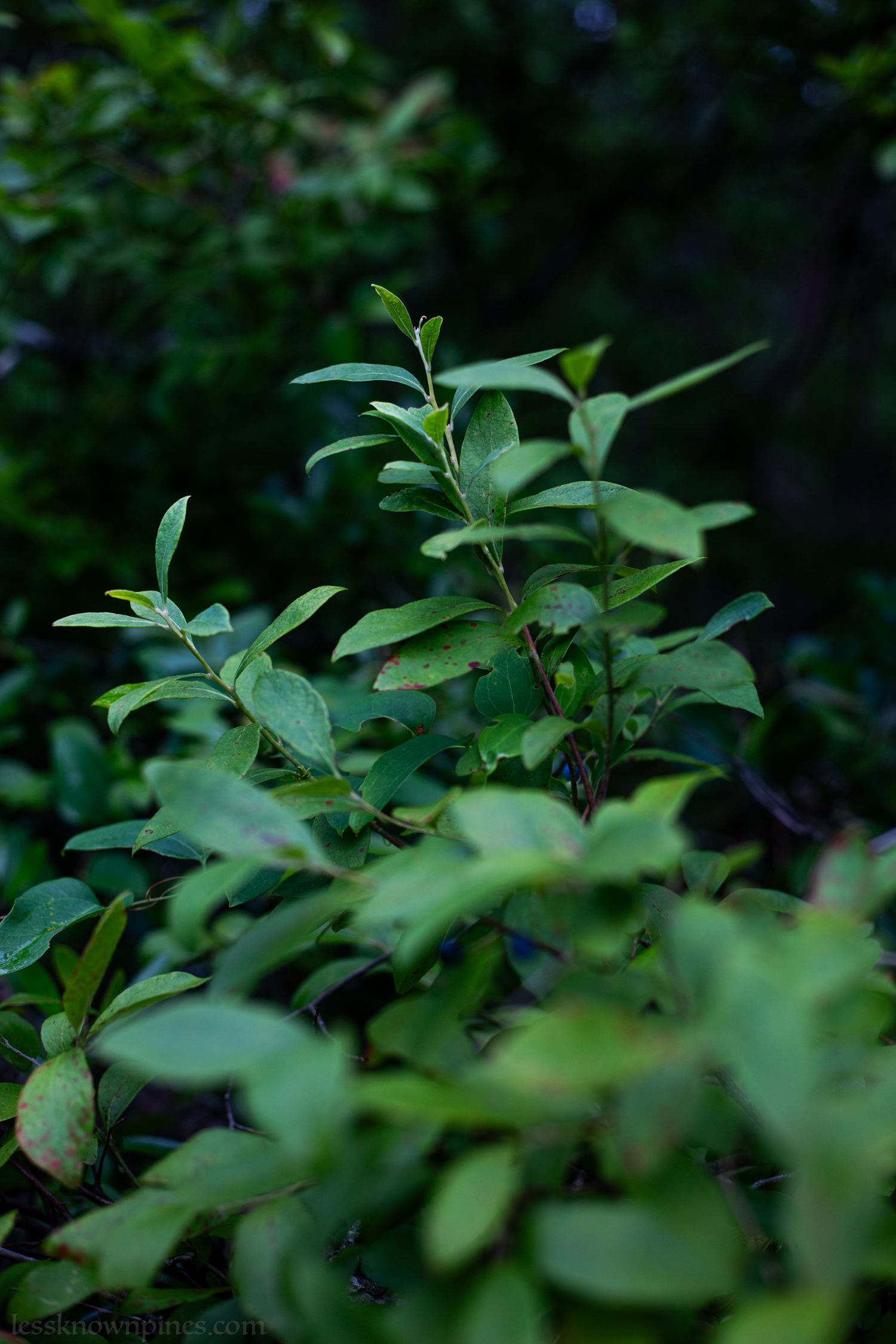
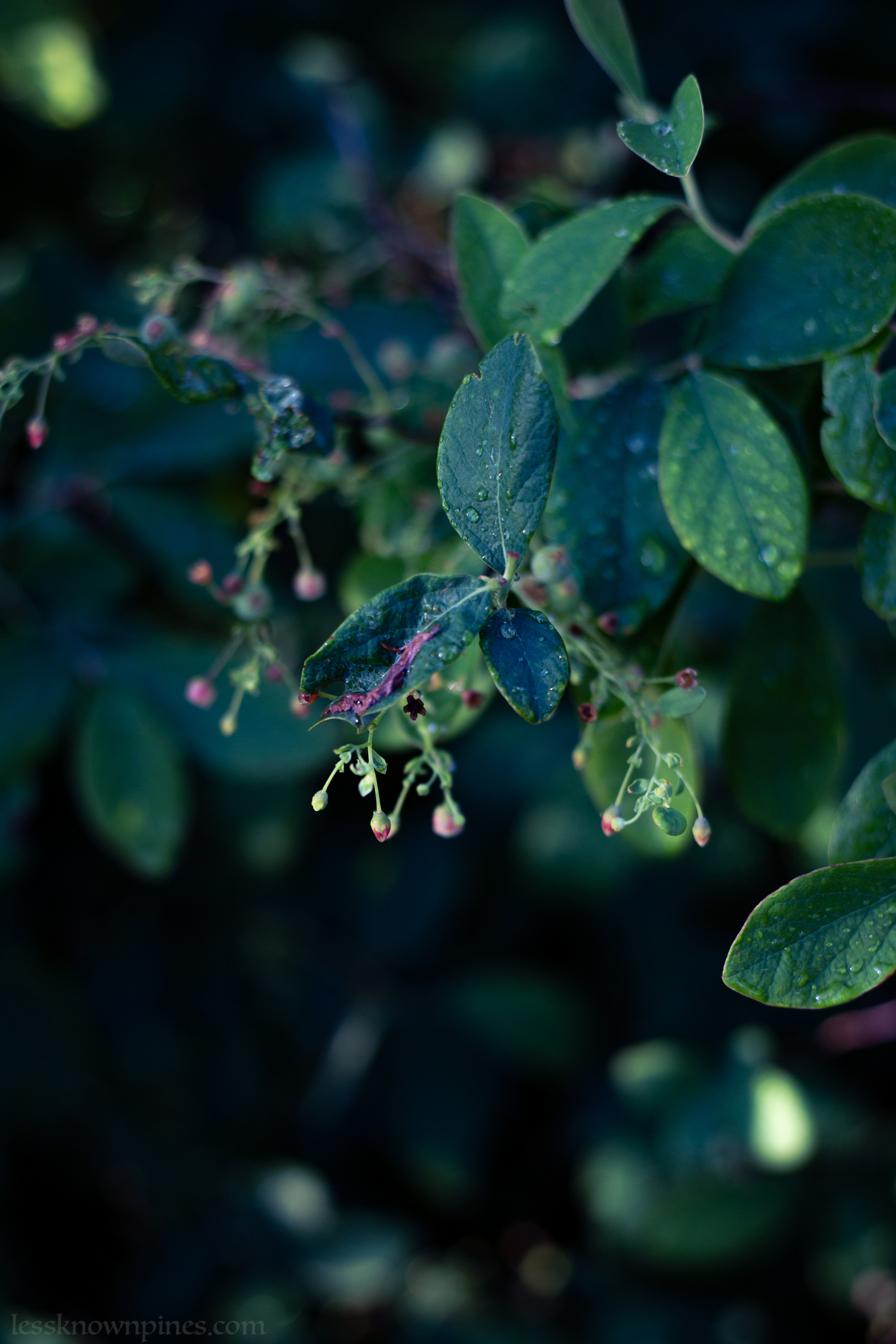
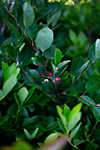
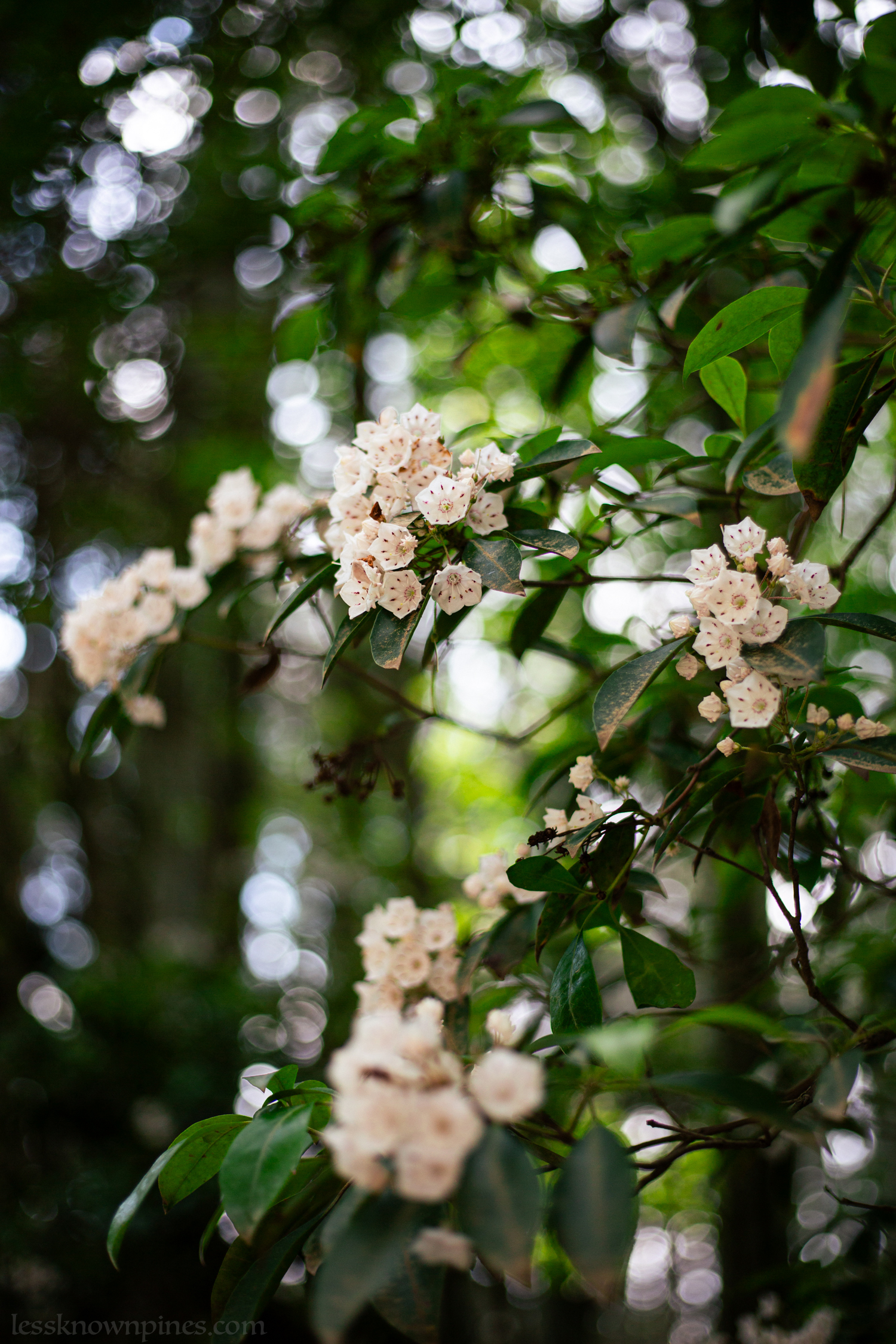
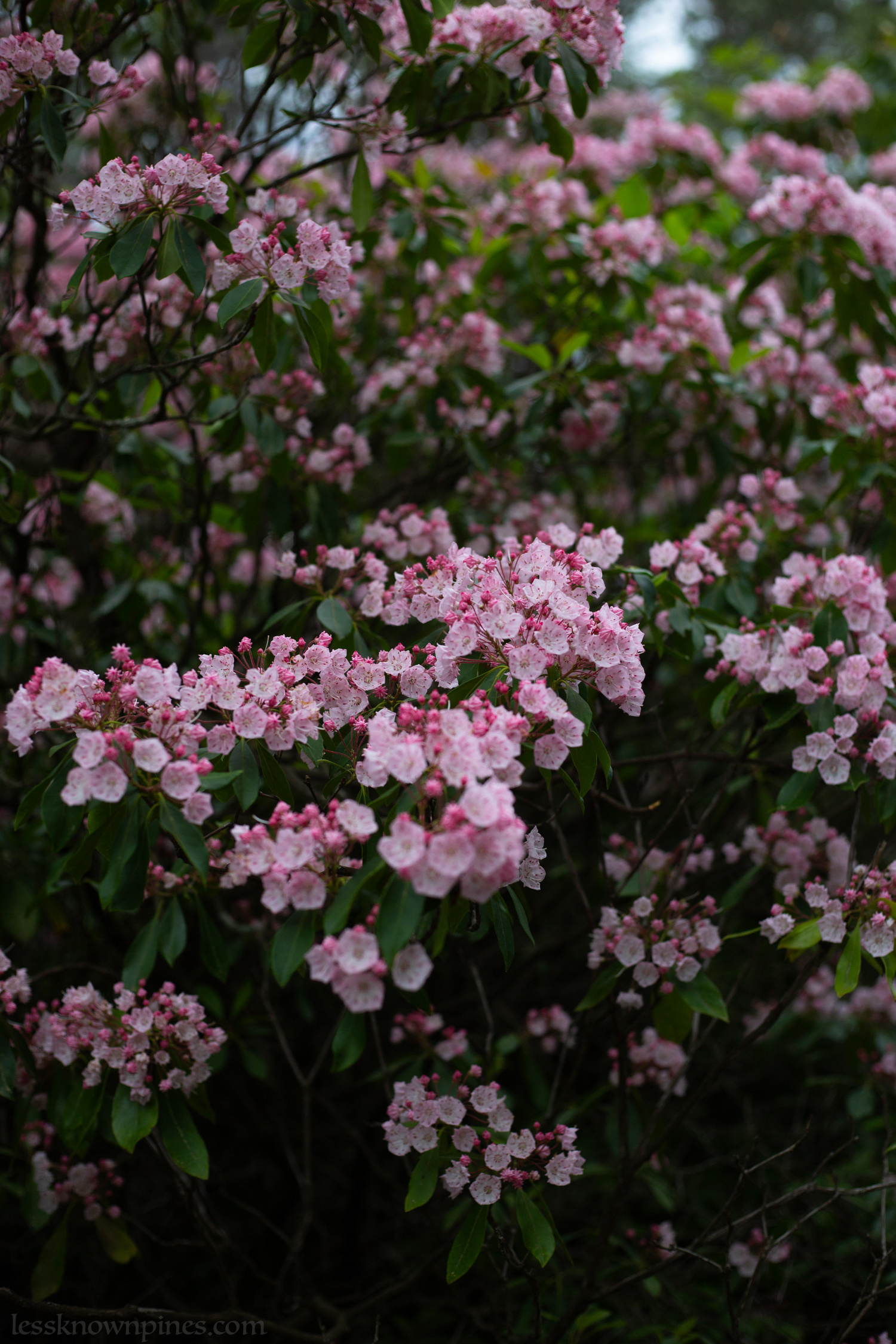
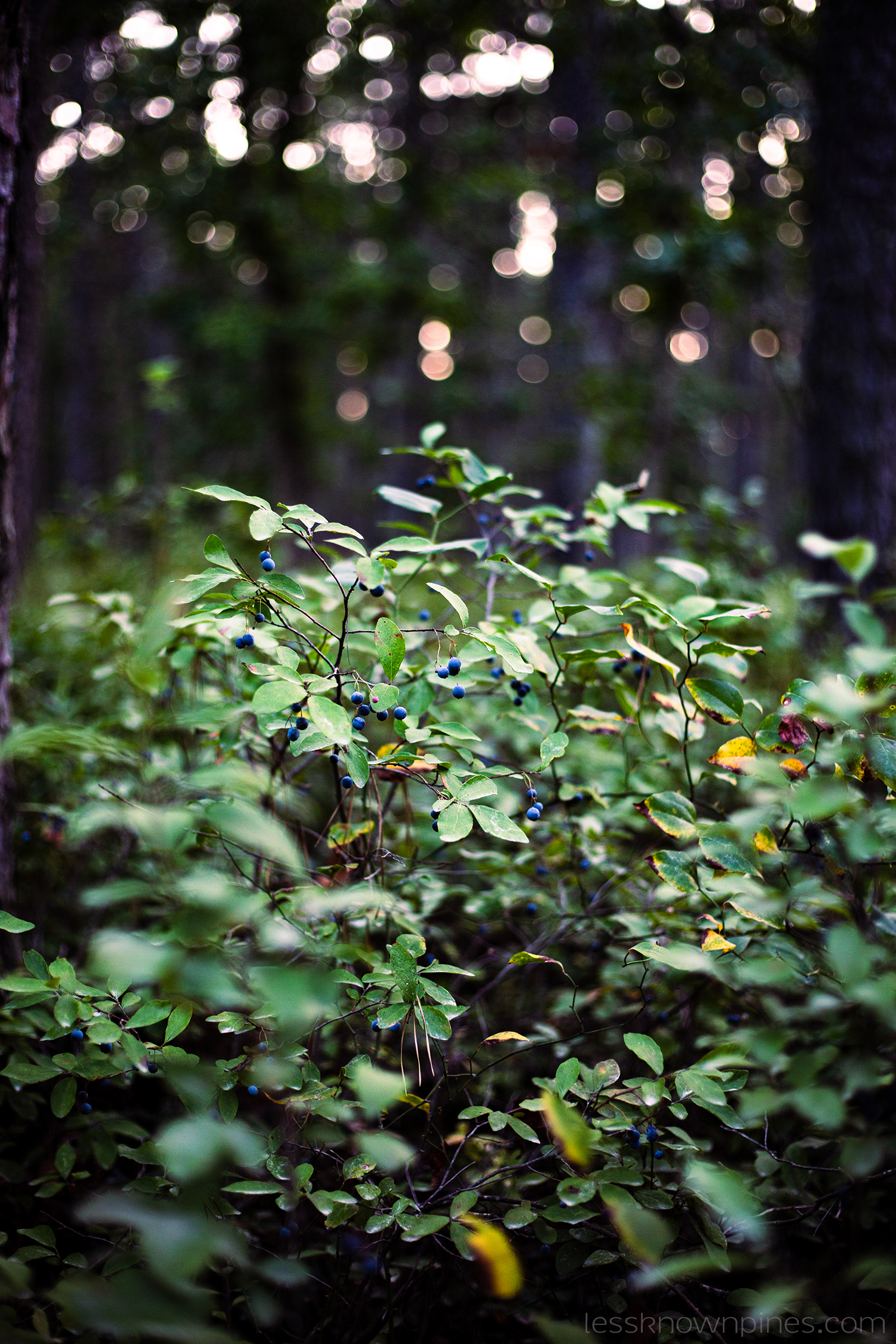
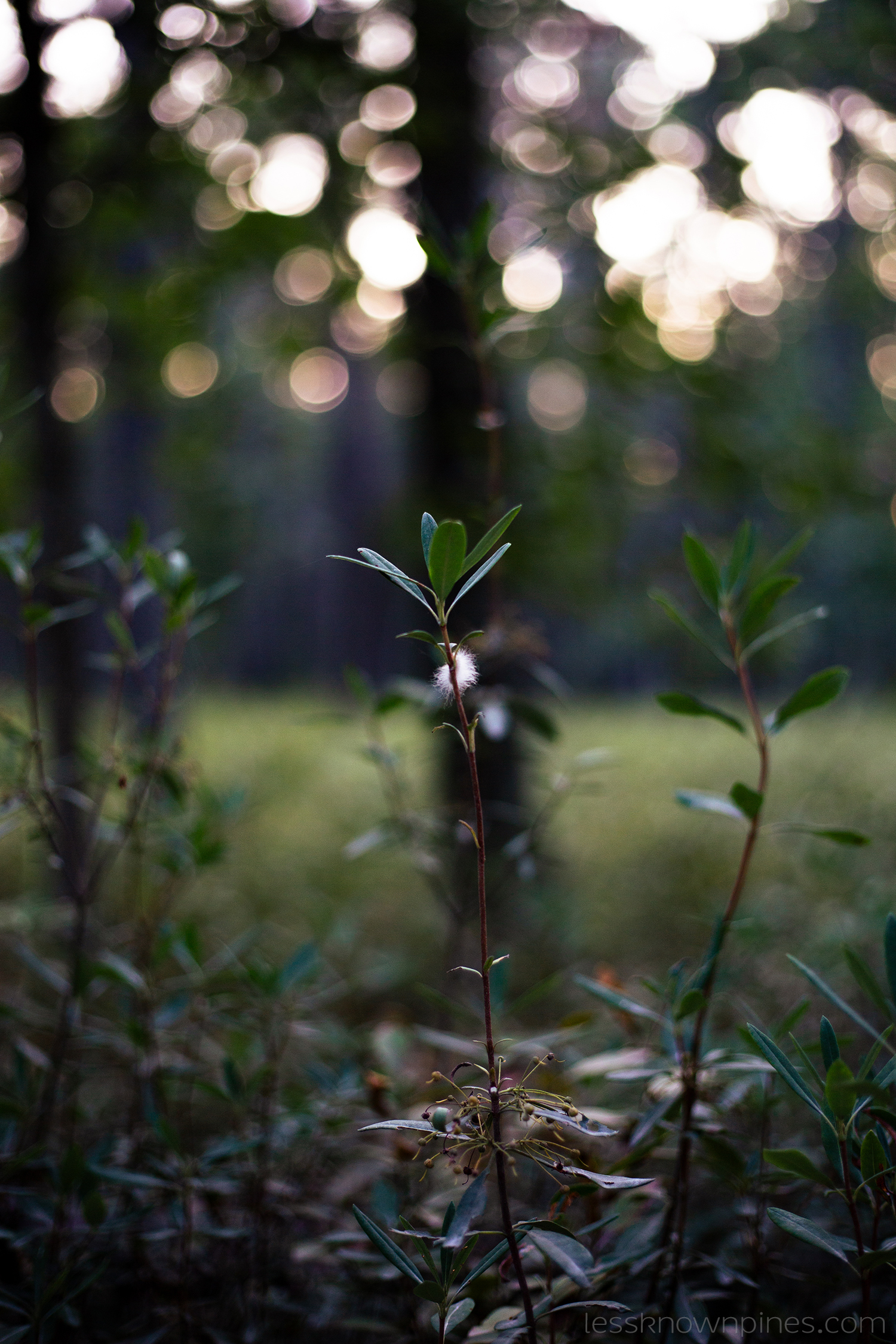
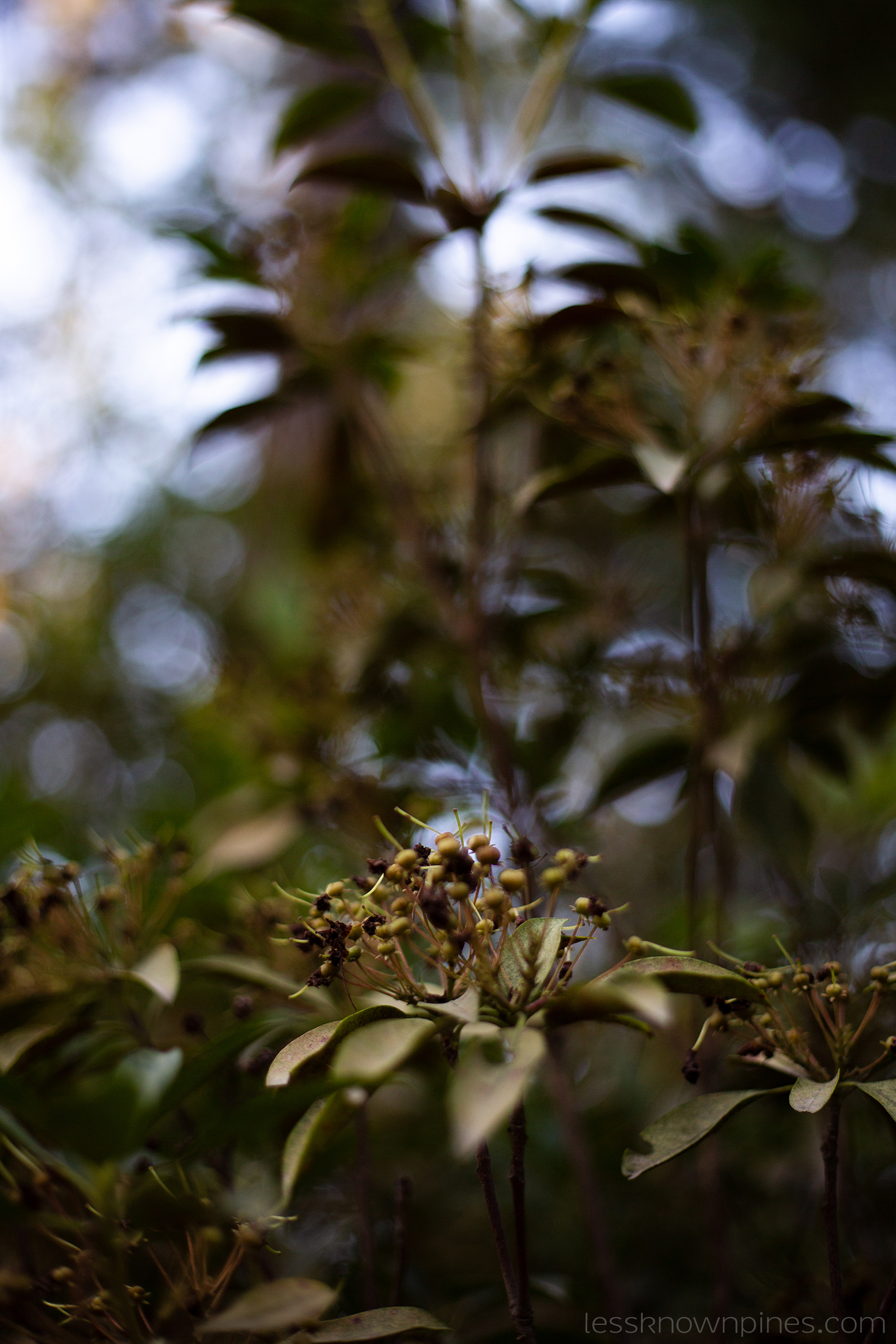
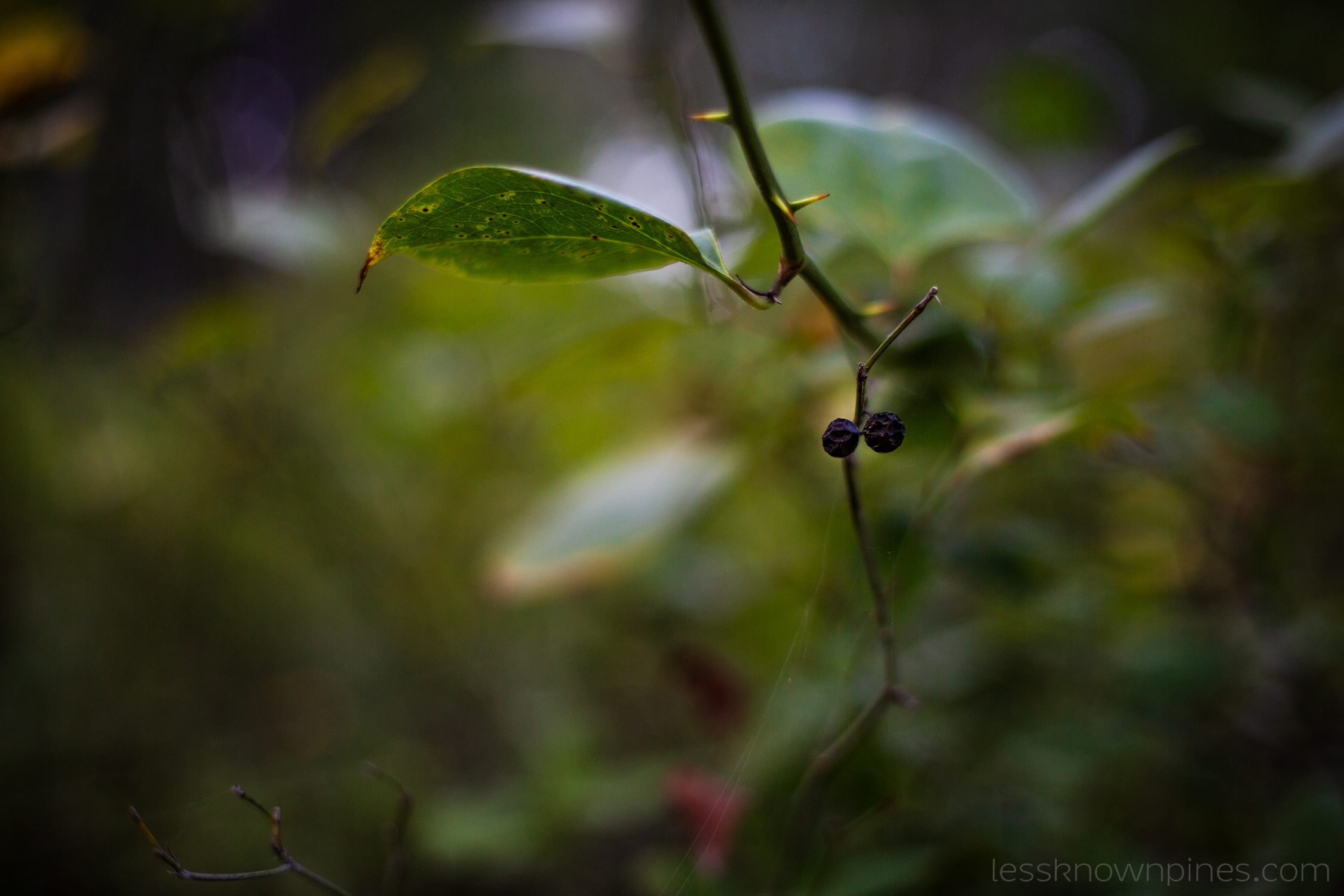
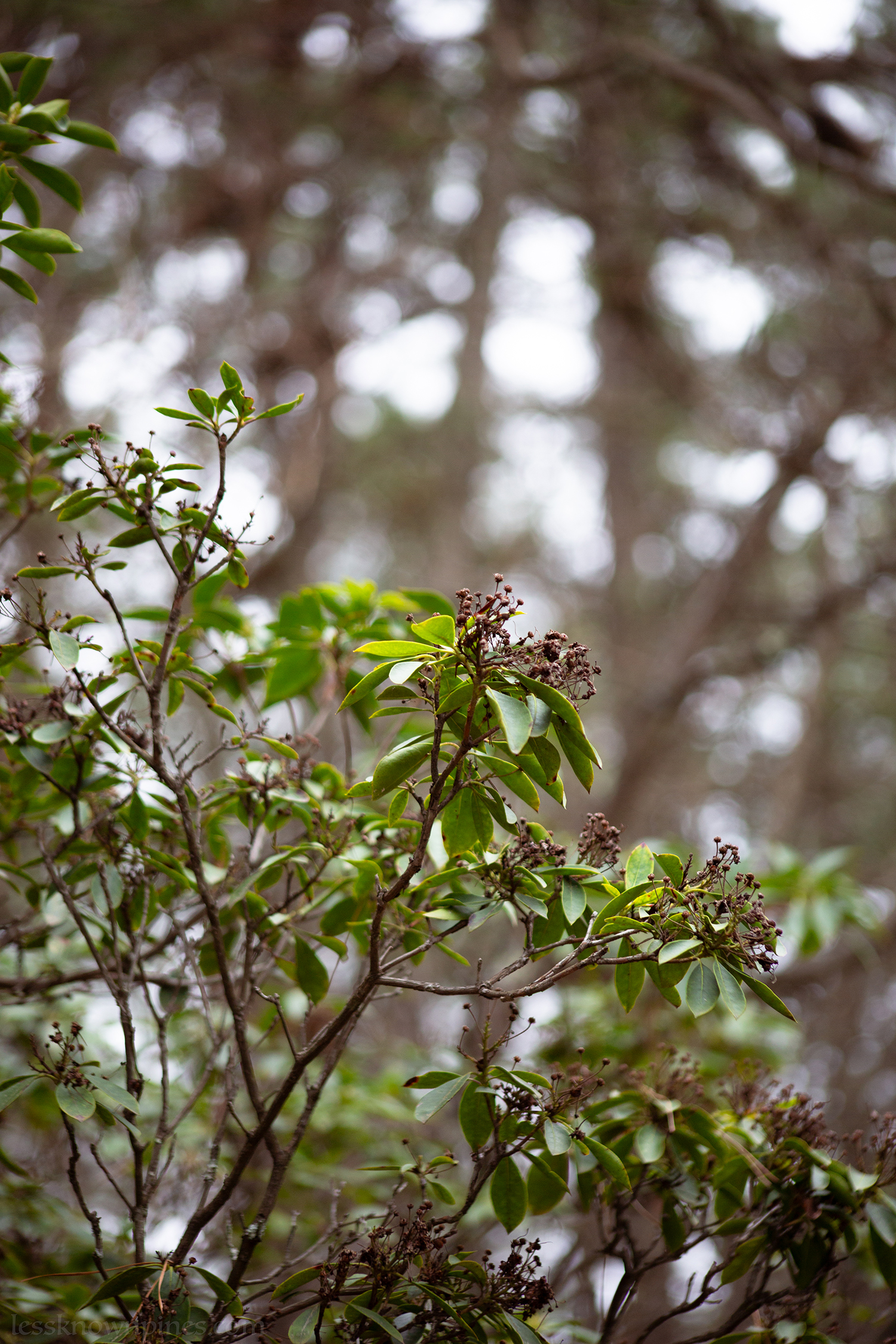
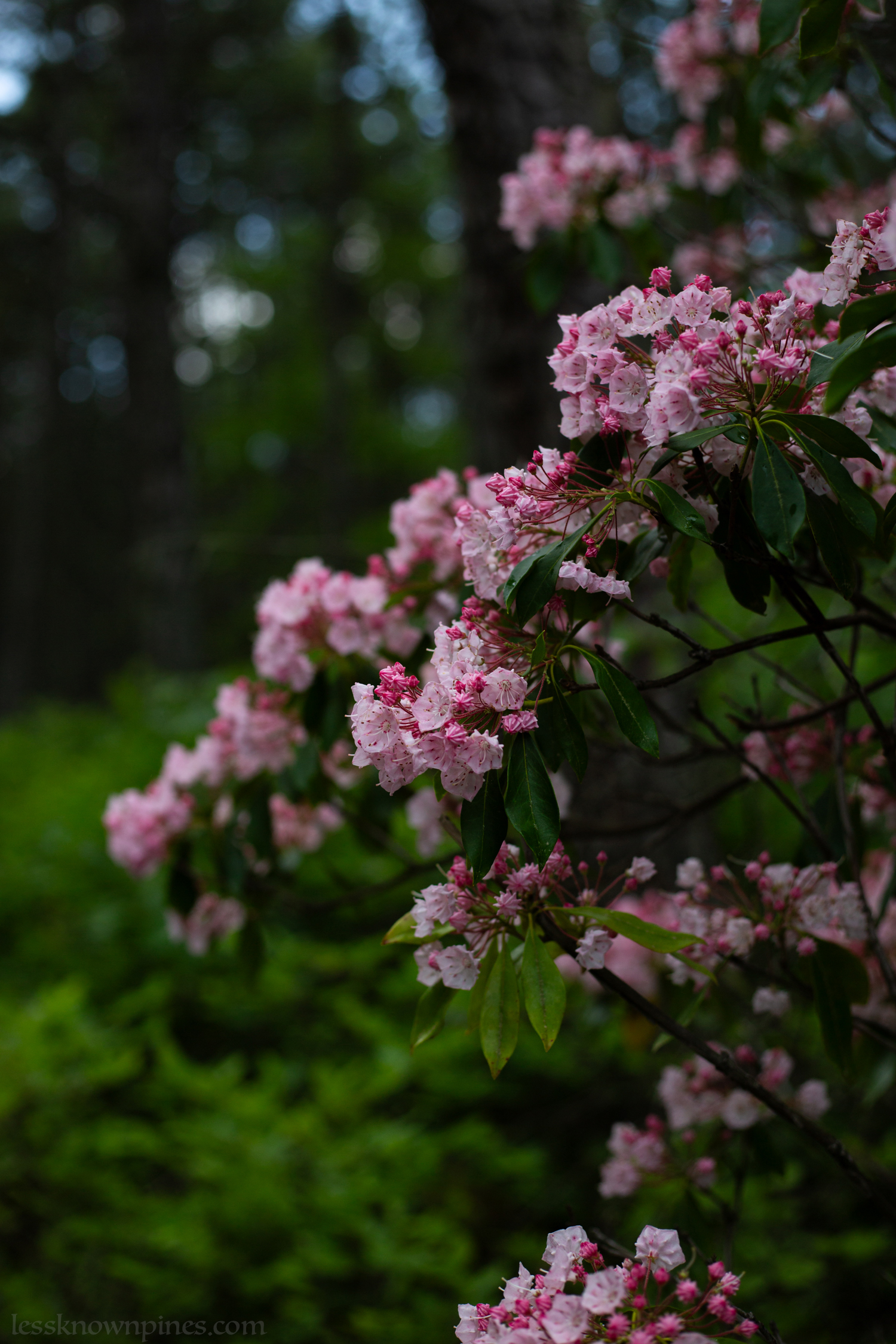
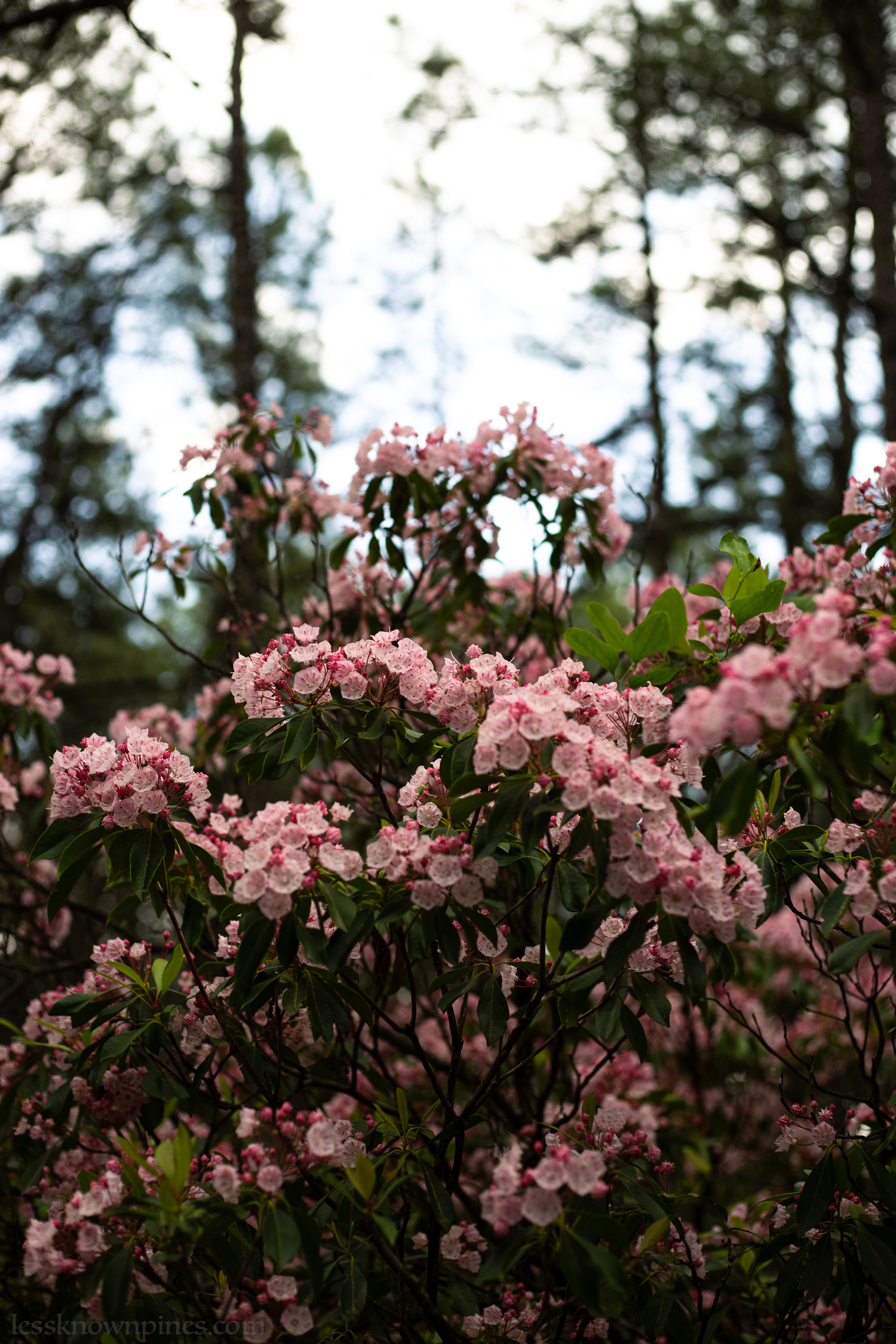
Many berry bushes in the pine barrens grow thorns to repel predators. In the pines, you may also notice that a lot of berry bushes grow without thorns. These thornless berry bushes serve as a valuable source of nutrition for wildlife. You'll also find shrubs, including sheep laurels and mountain laurels.


Trees
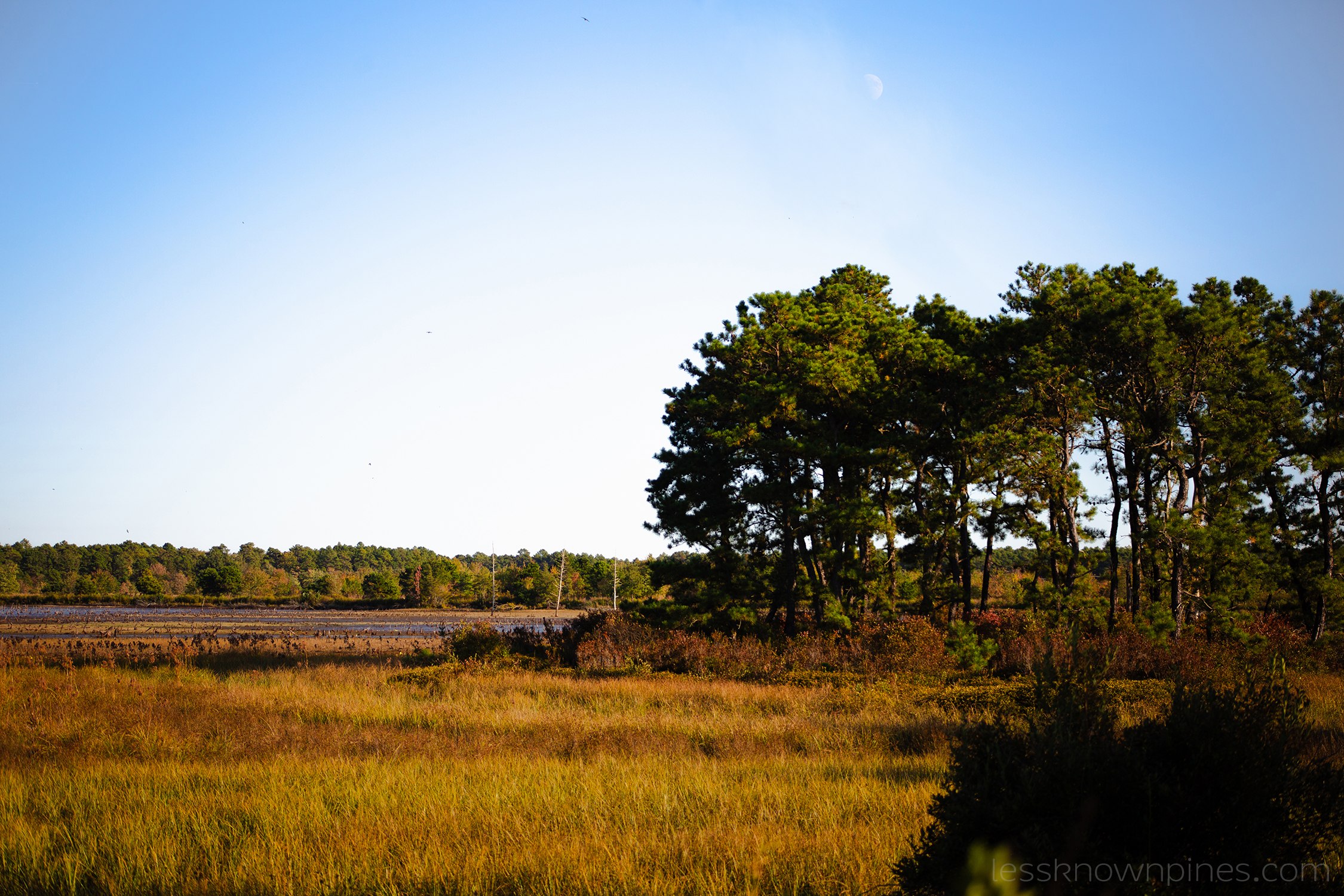
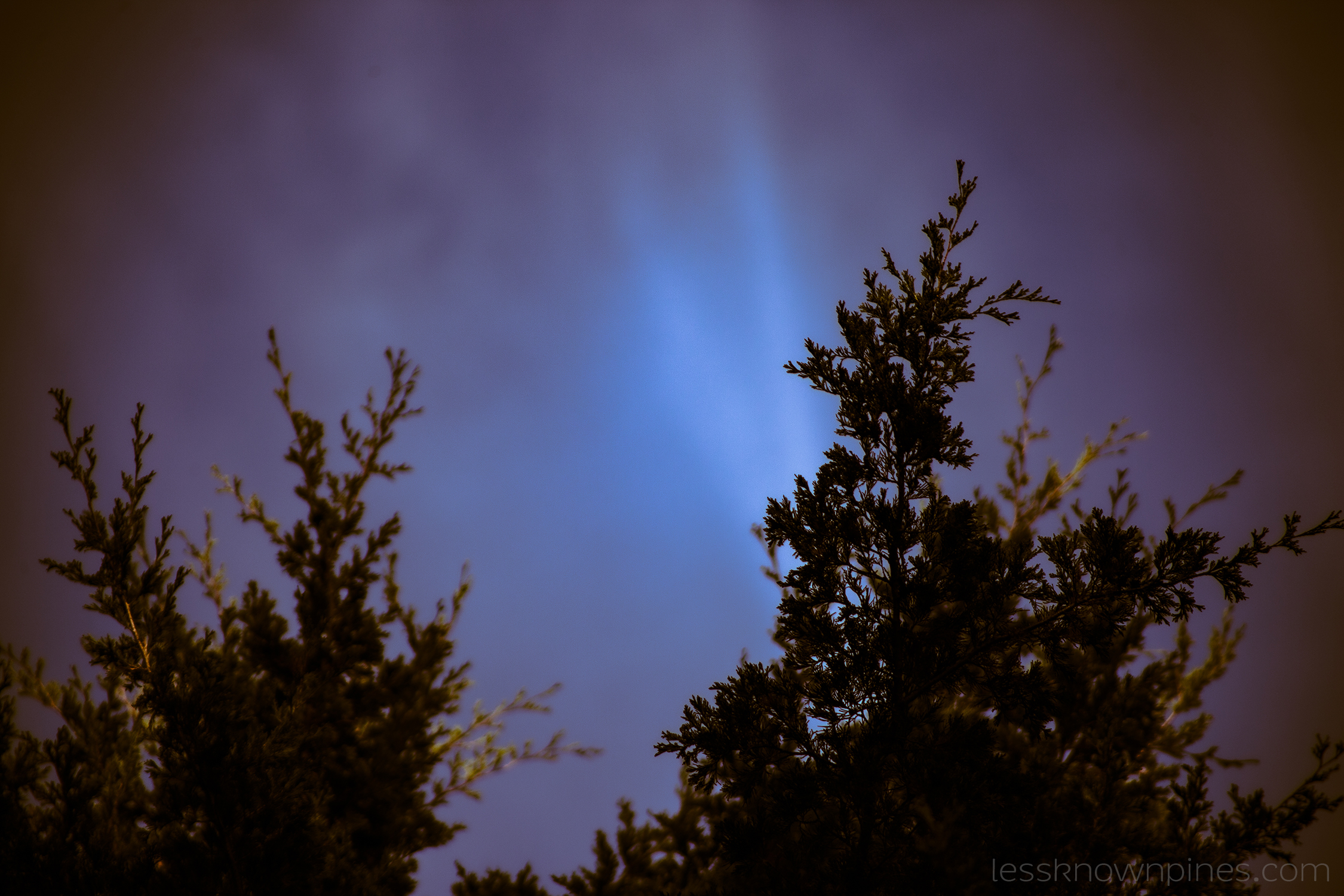
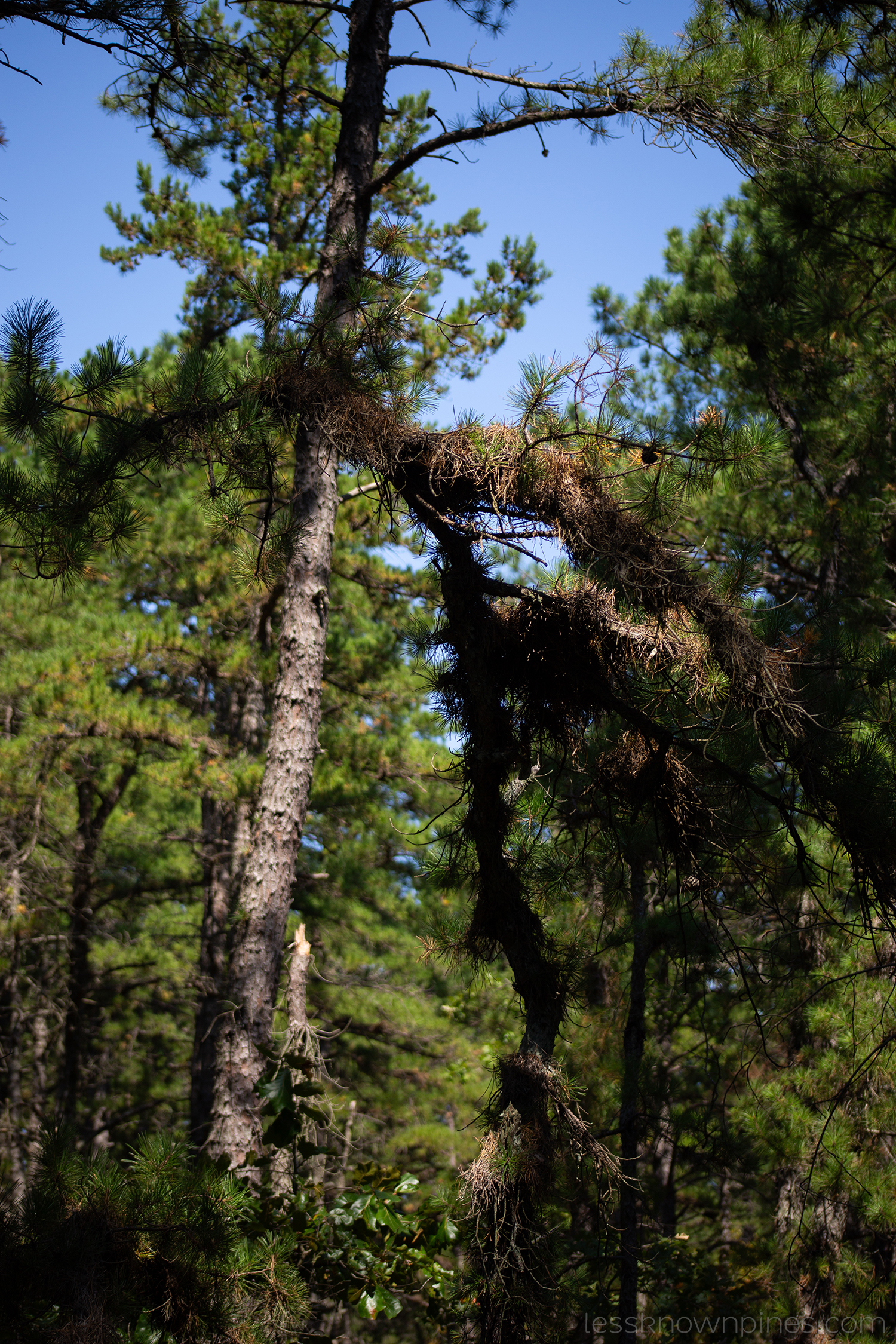
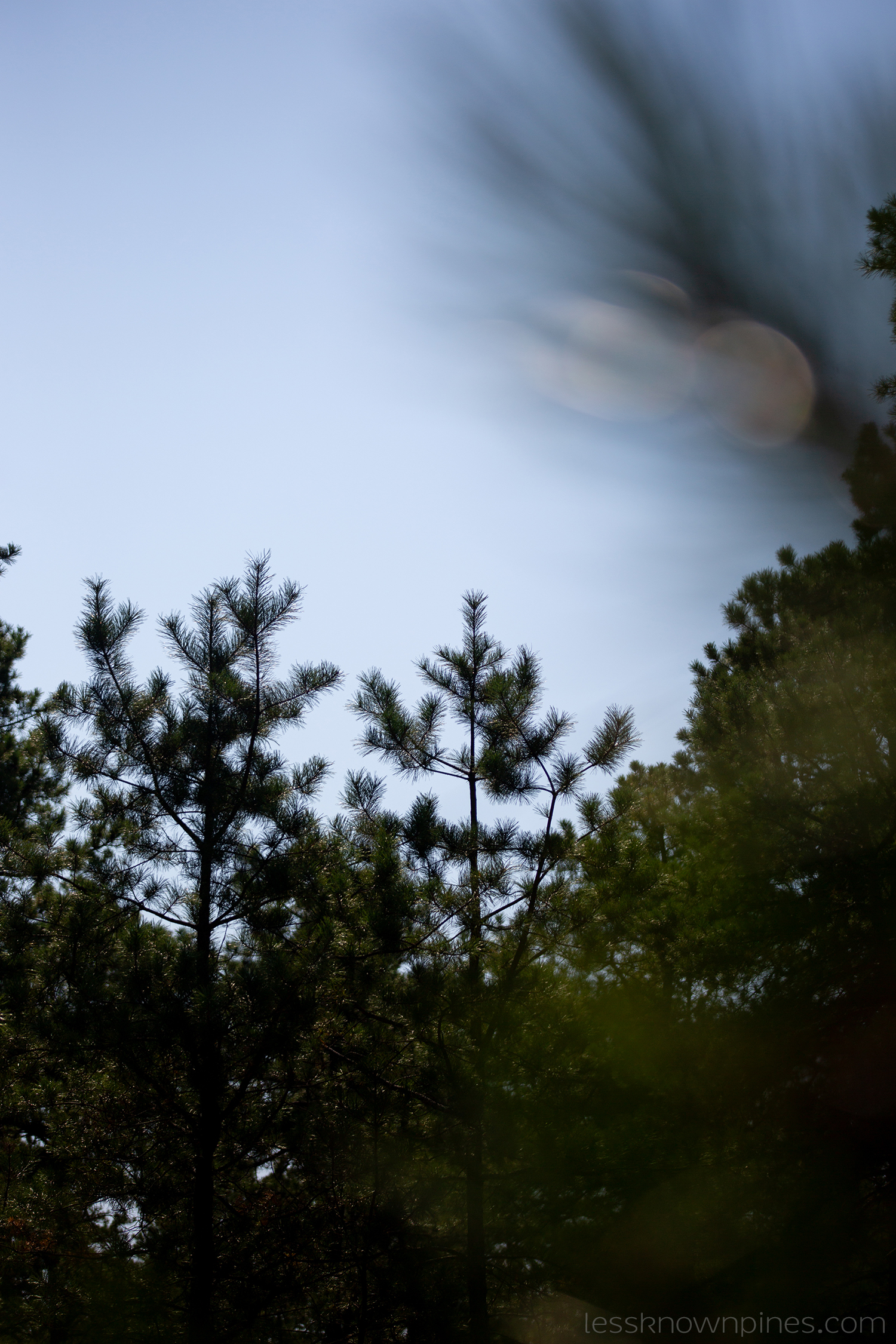
The pine barrens are a vast forest with soil that supports an abundance of pitch pine, Atlantic white cedar, and numerous species of oak. Most of these pitch pine trees are narrow, with fewer branches near the bottom and most of the branches concentrated in the top half. Franklin Parker Preserve, Atlantic White Cedar Preserve, and Brendan T. Byrne State Forest are home to many cedar branches. These cedar branches form a dense and swampy array of tall and narrow trees that are closely packed together.

Blueberries
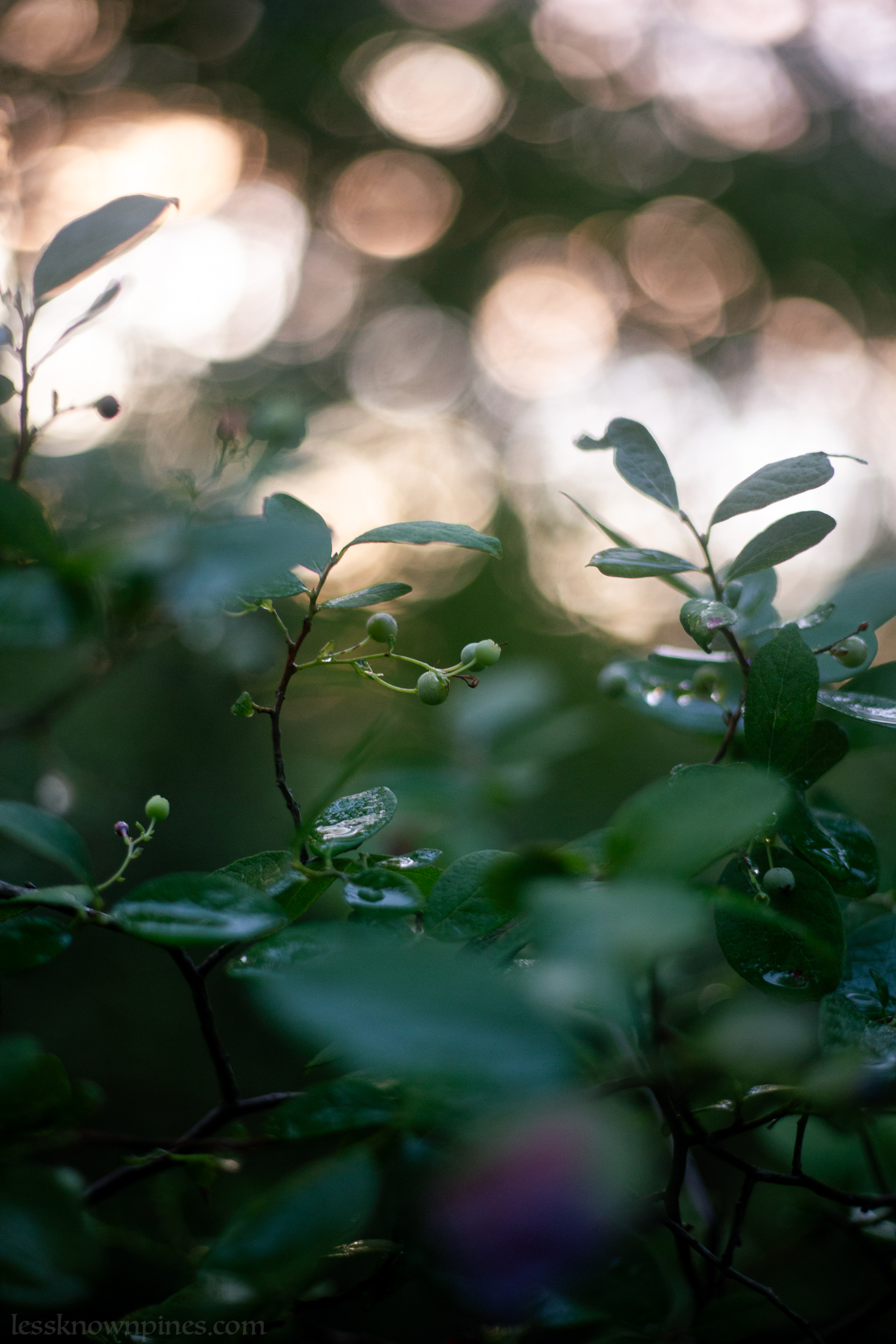
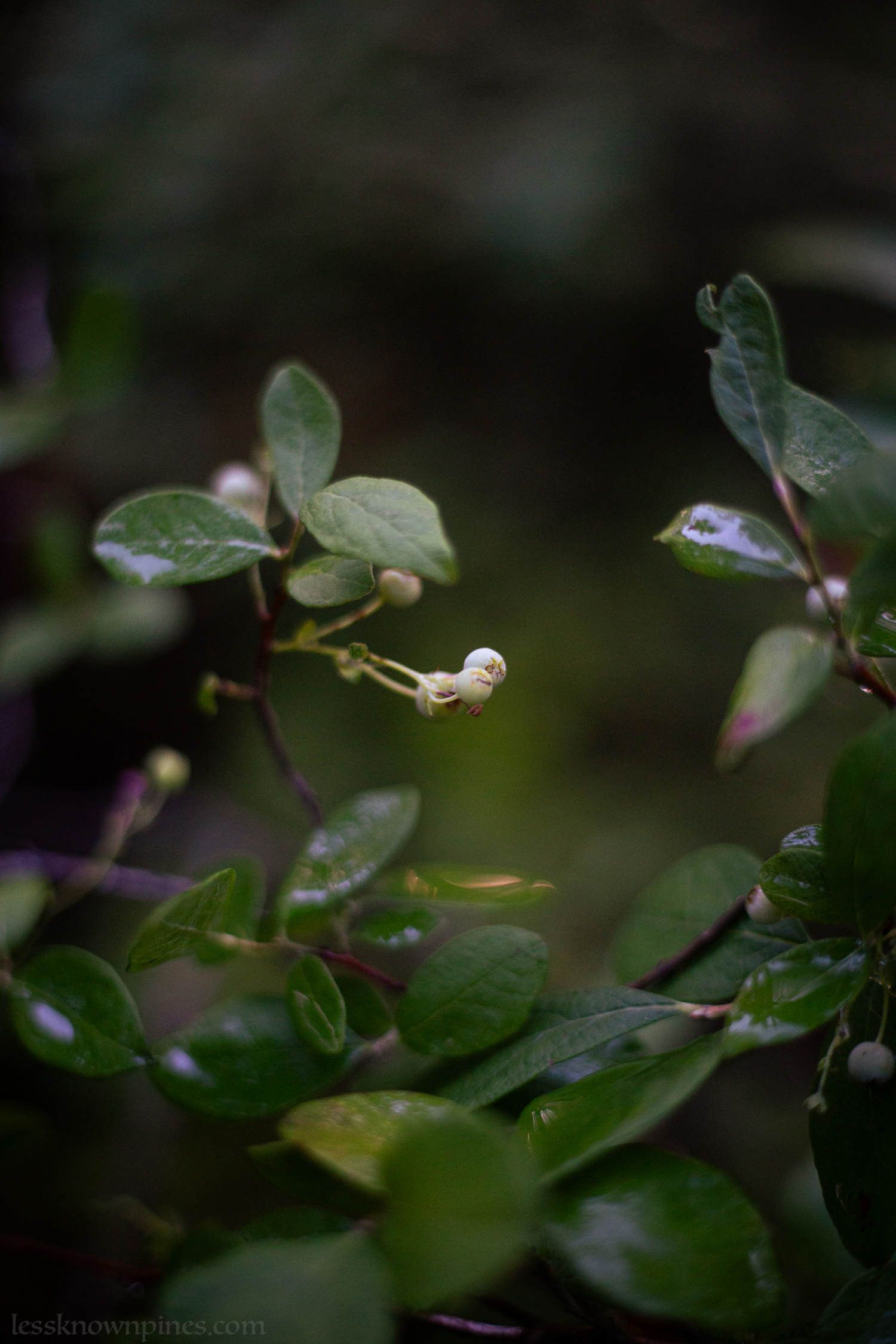
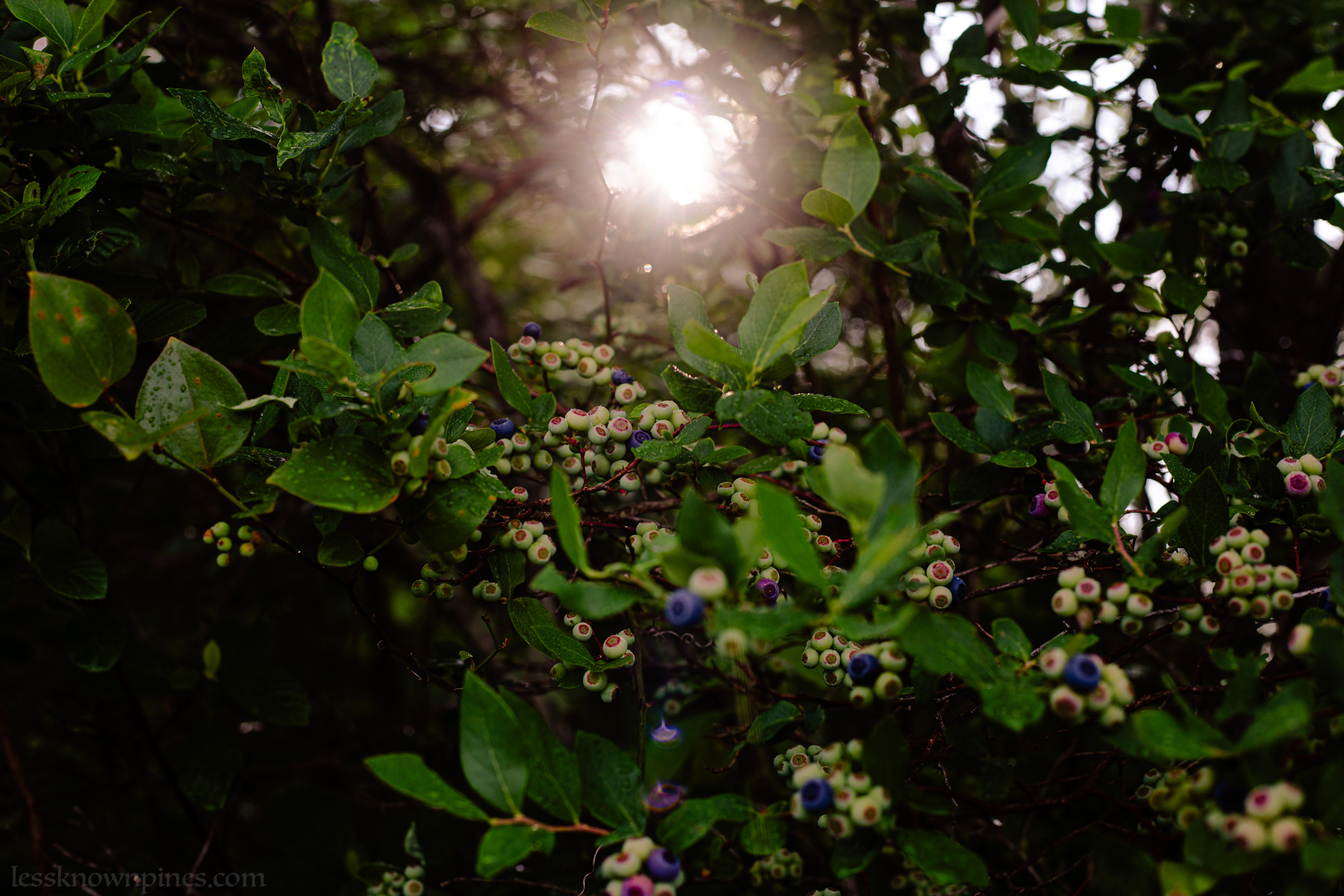
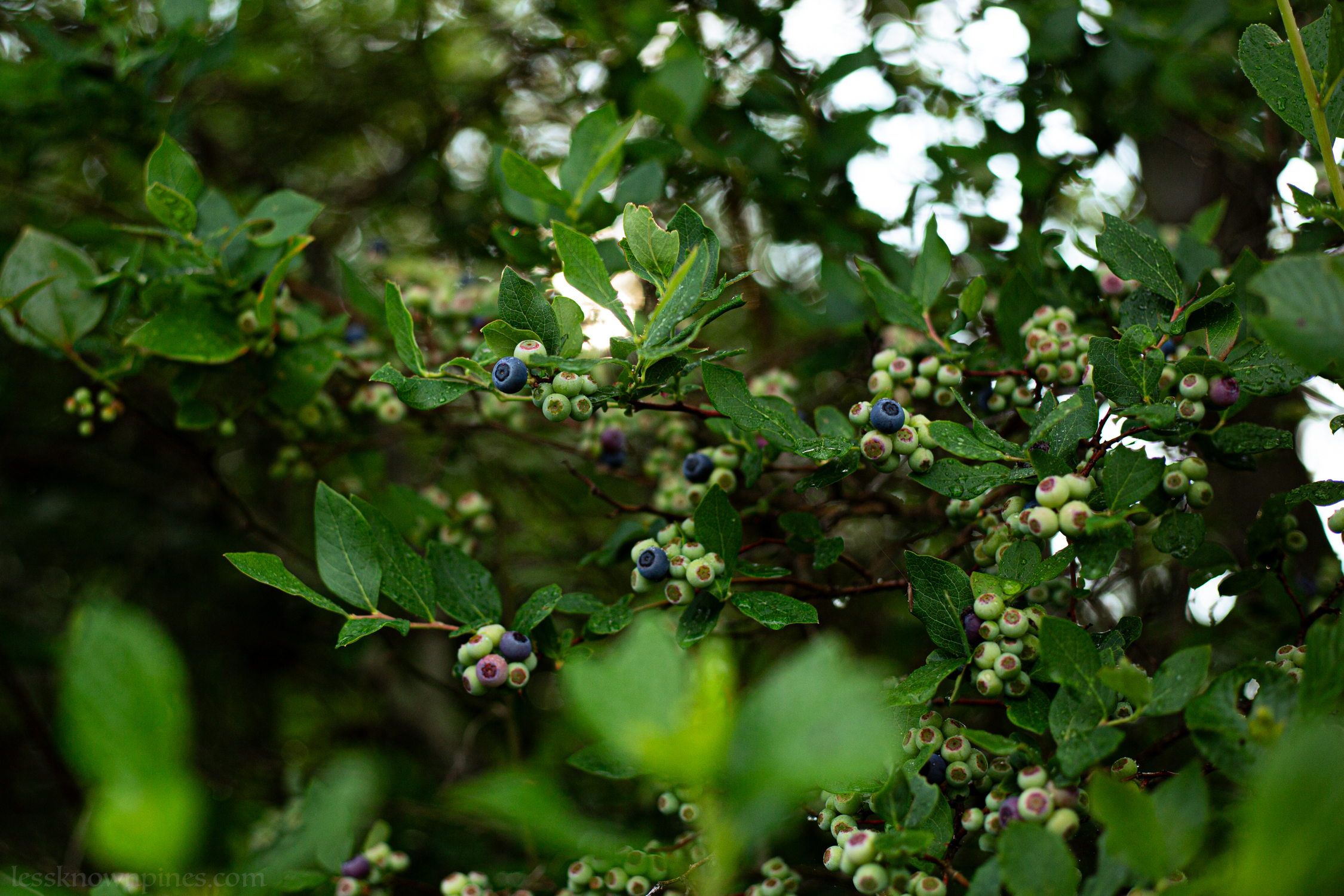
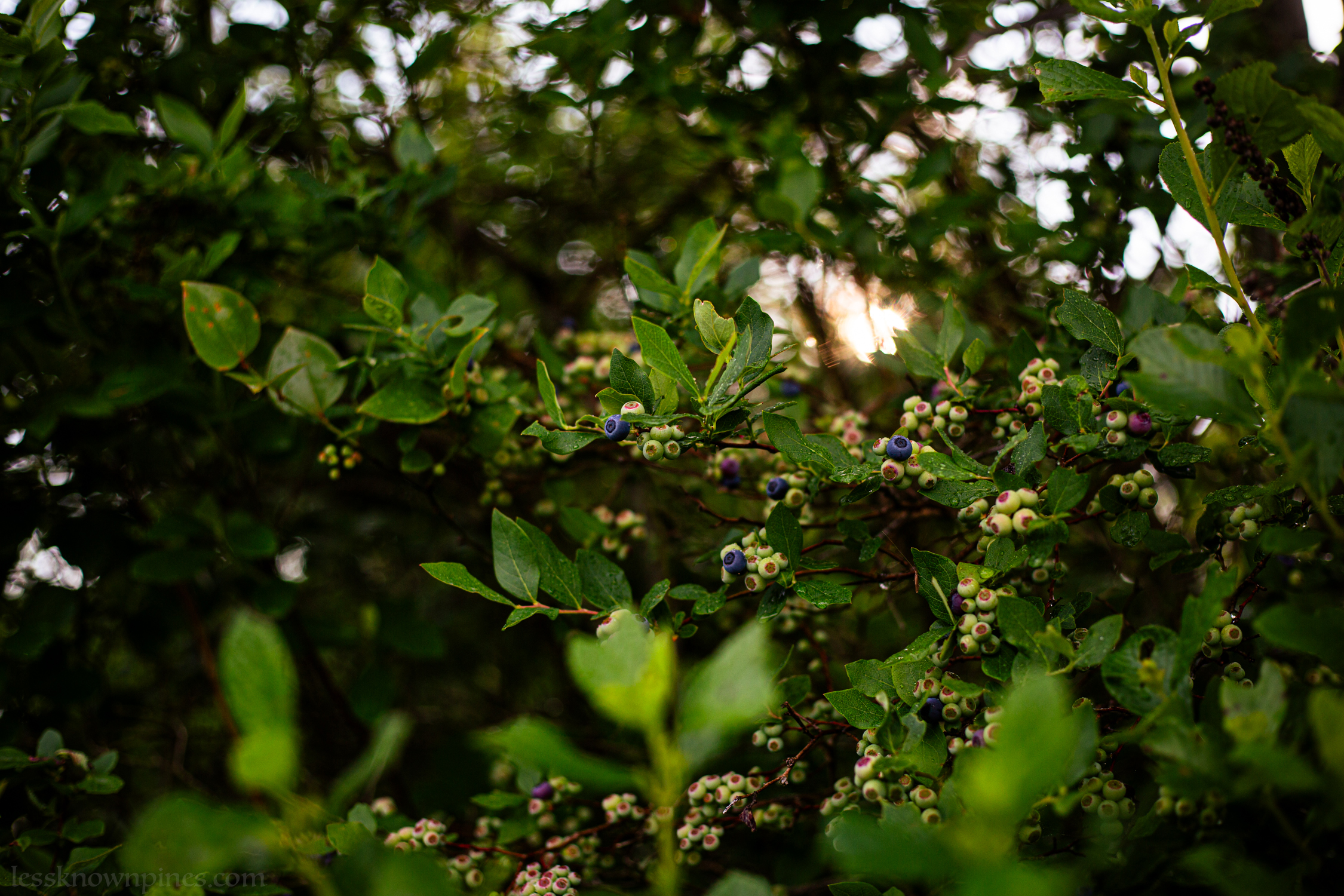
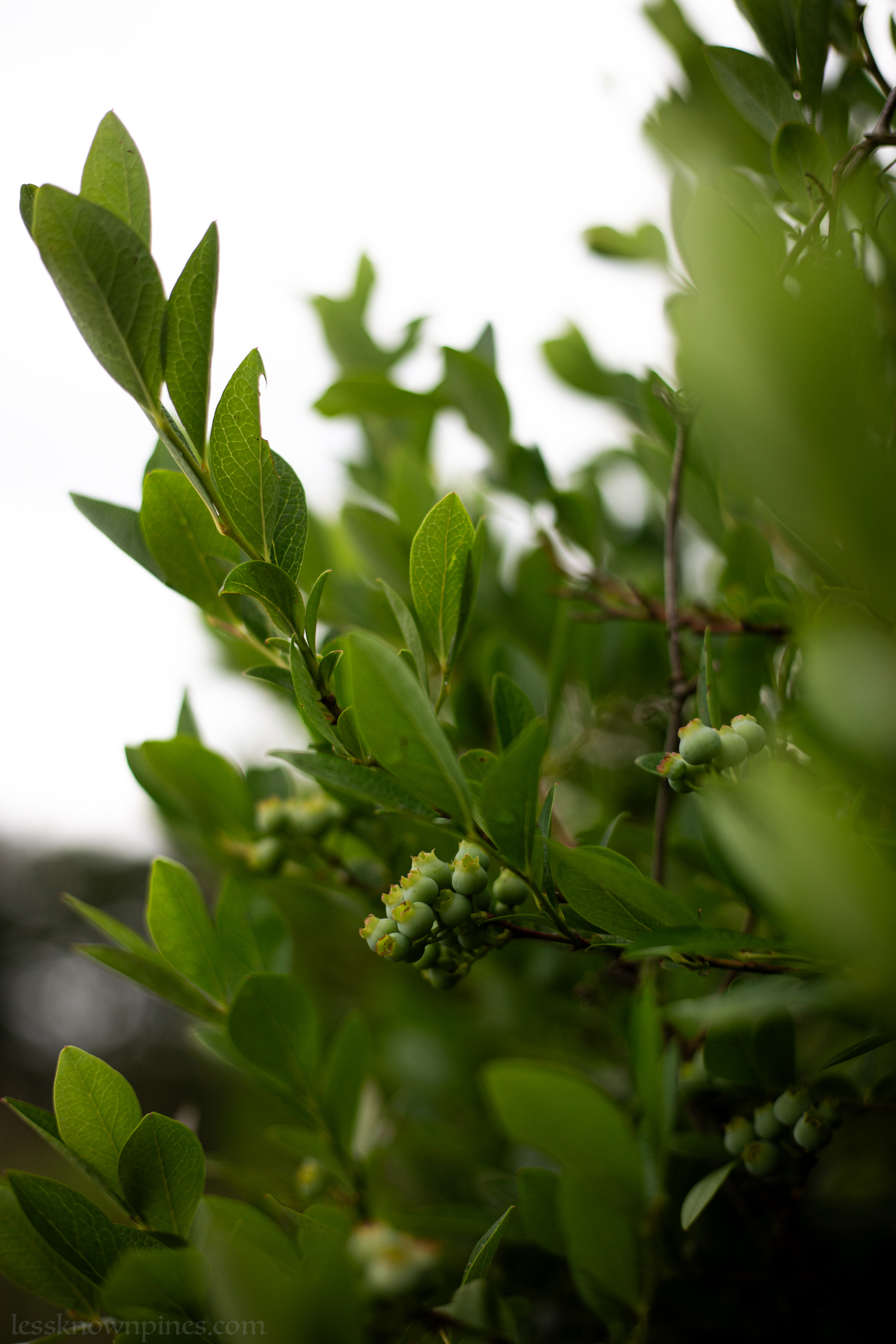
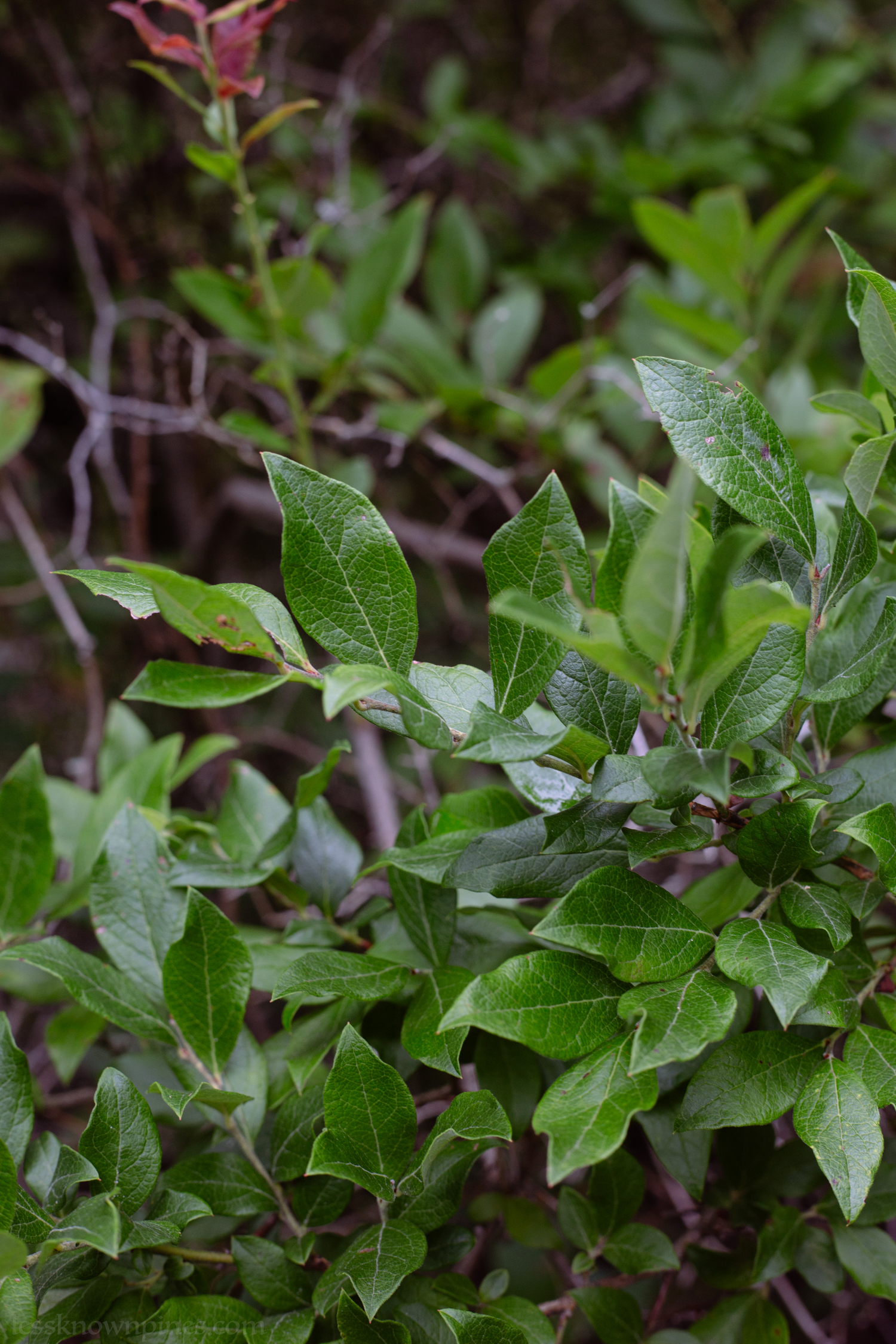
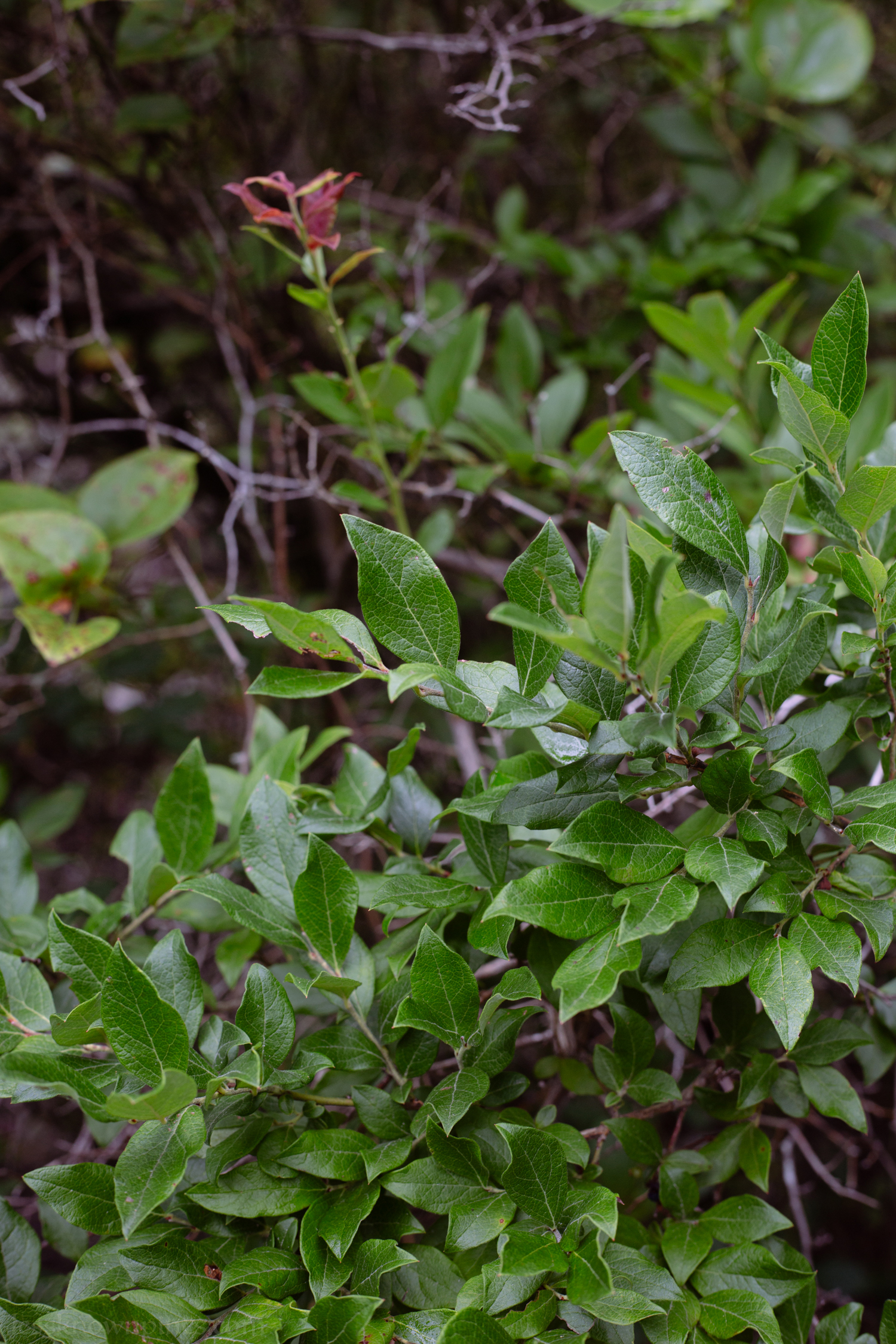
The highbush and lowbush blueberry plants are the most common kinds of blueberries in the pine barrens.
Leatherleaf
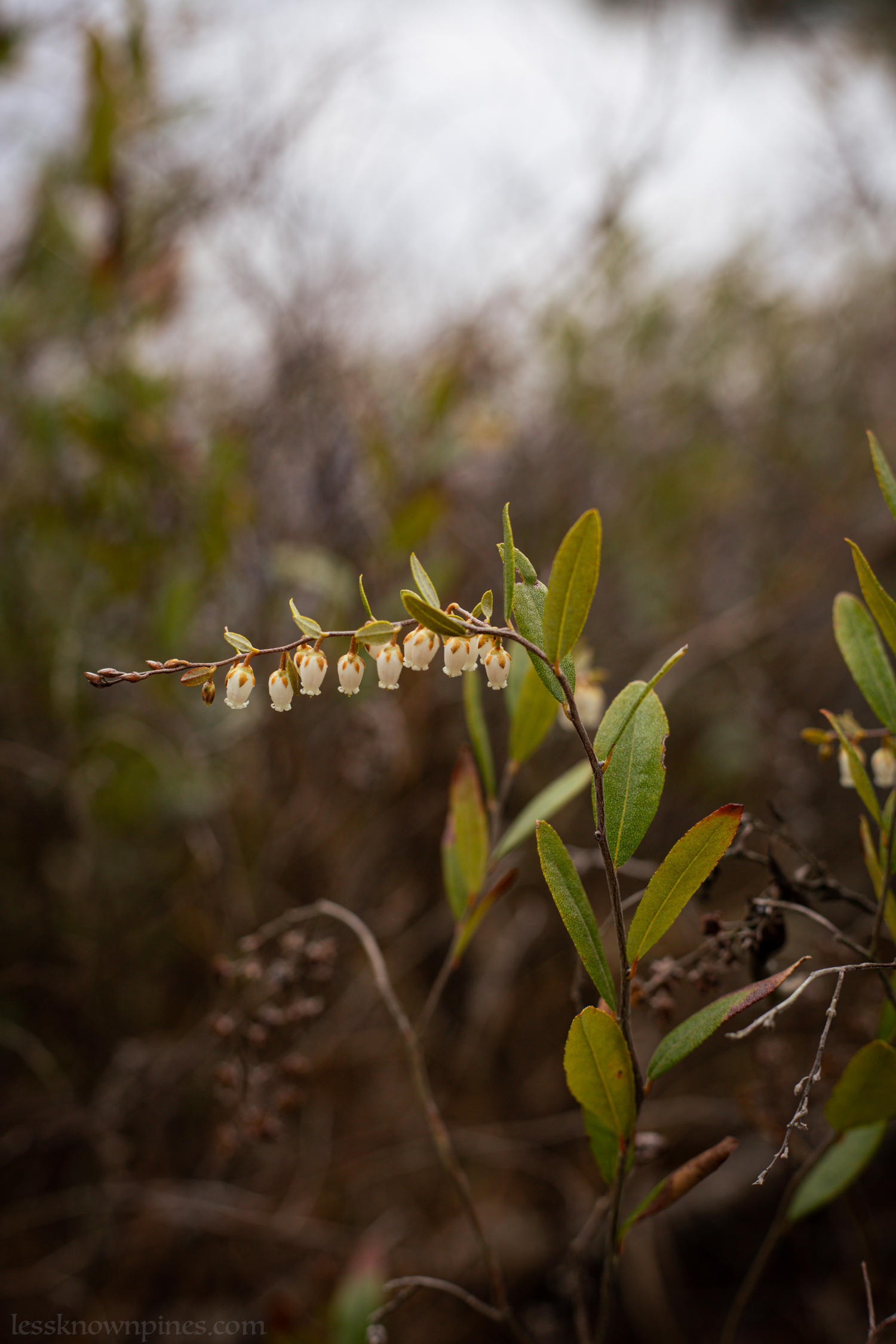
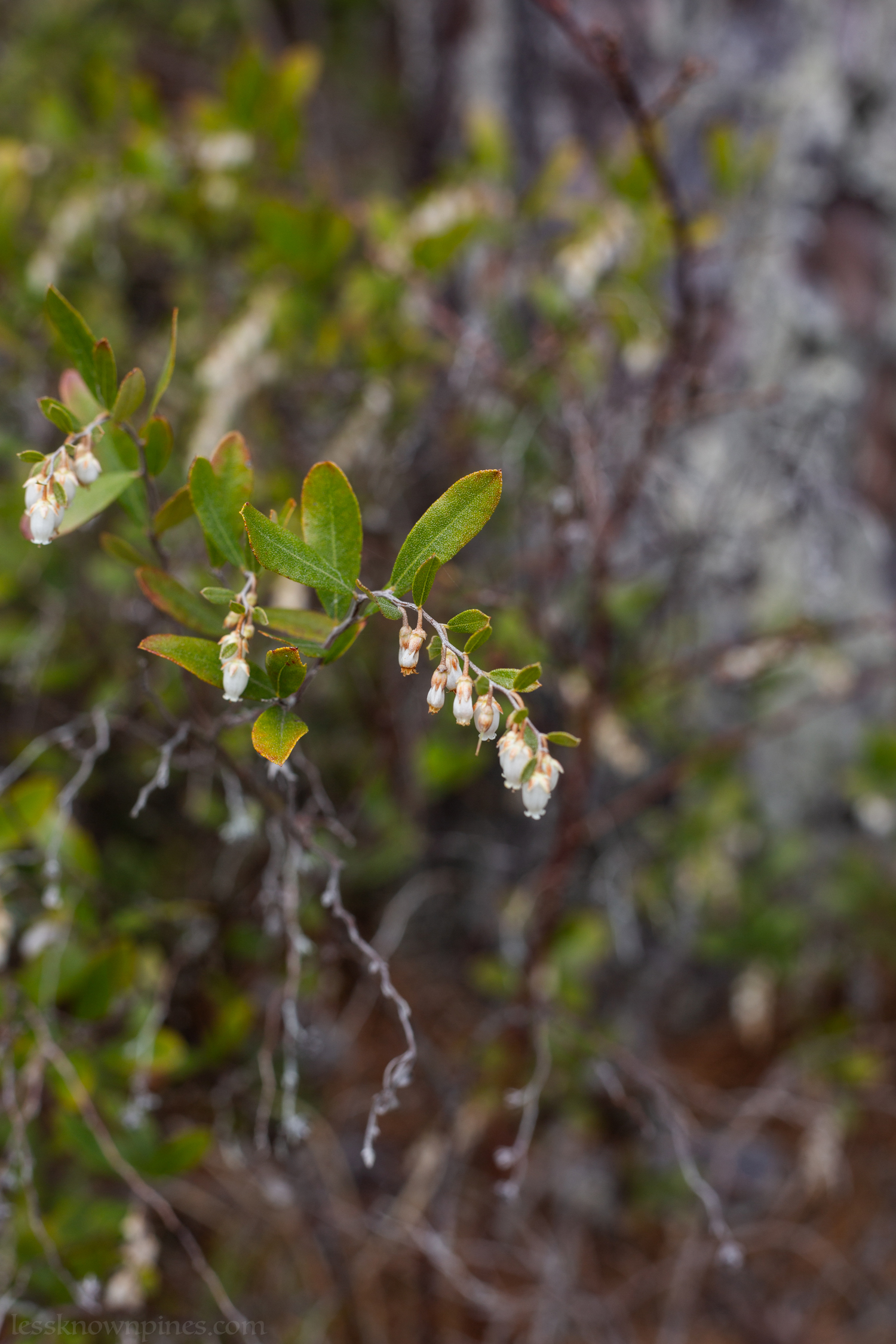
The leatherleaf buds and blooms from mid- to late-spring, featuring small, oval-shaped leaves. The flower may also weigh down the plant's stem.
Carnivorous Plants
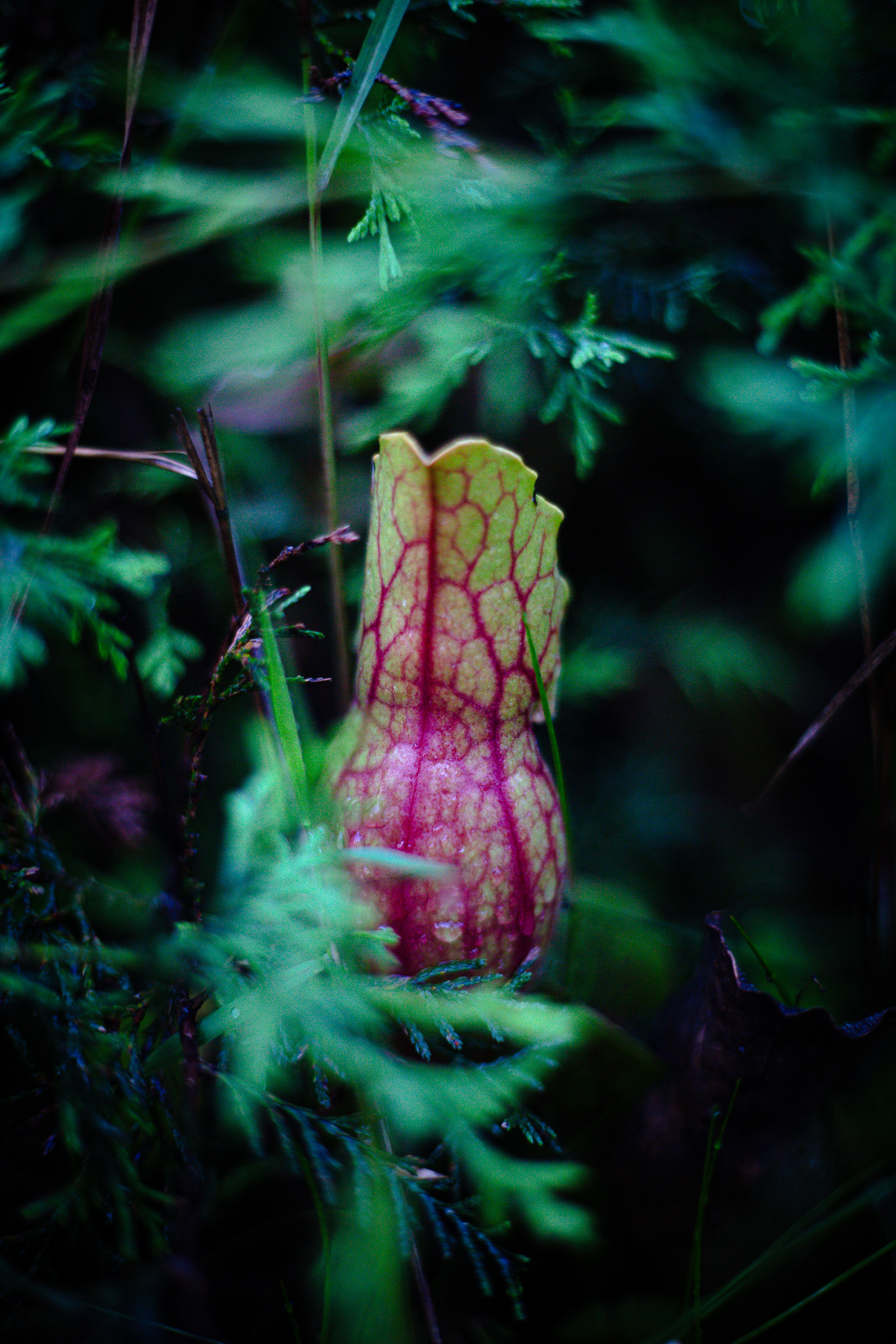
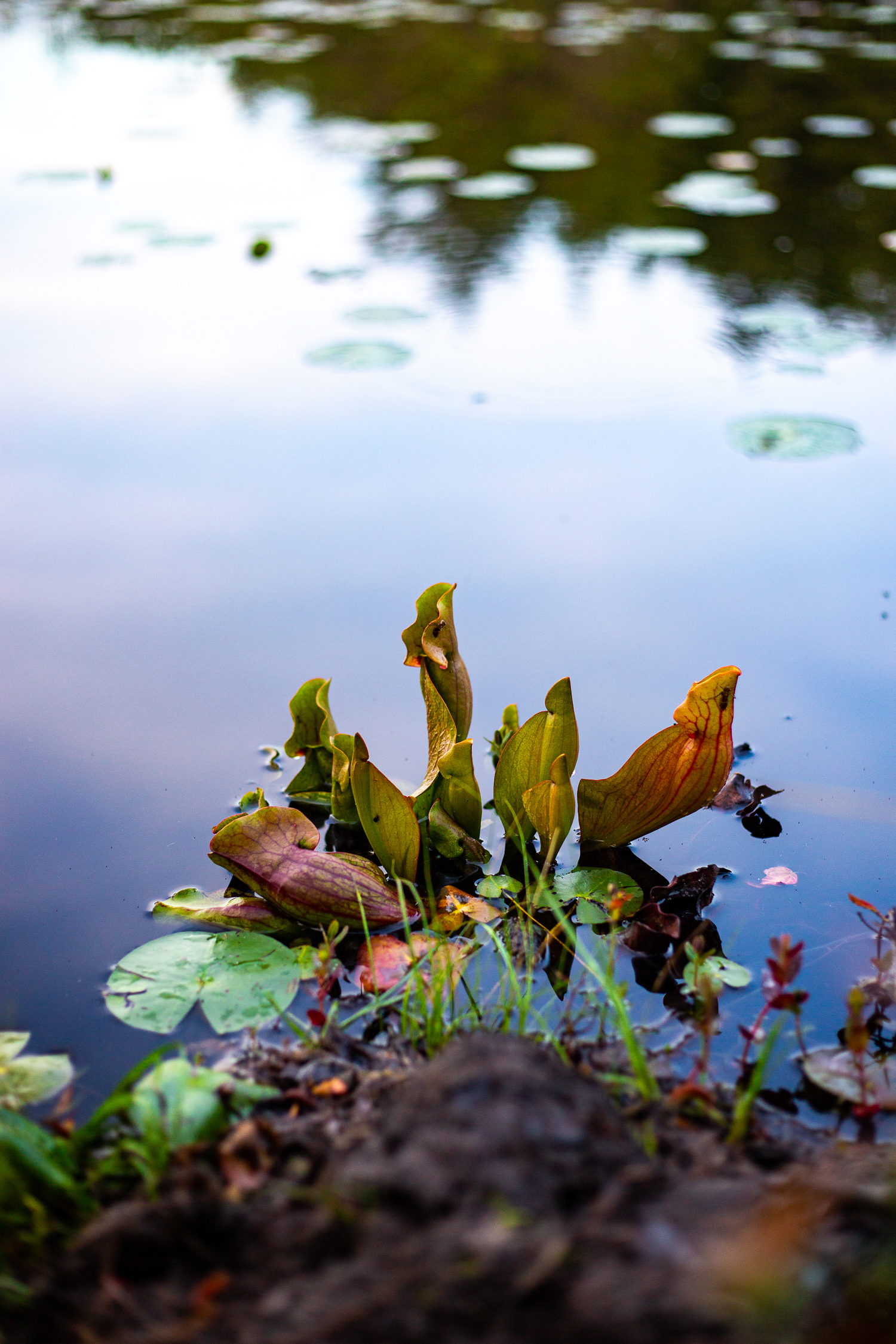
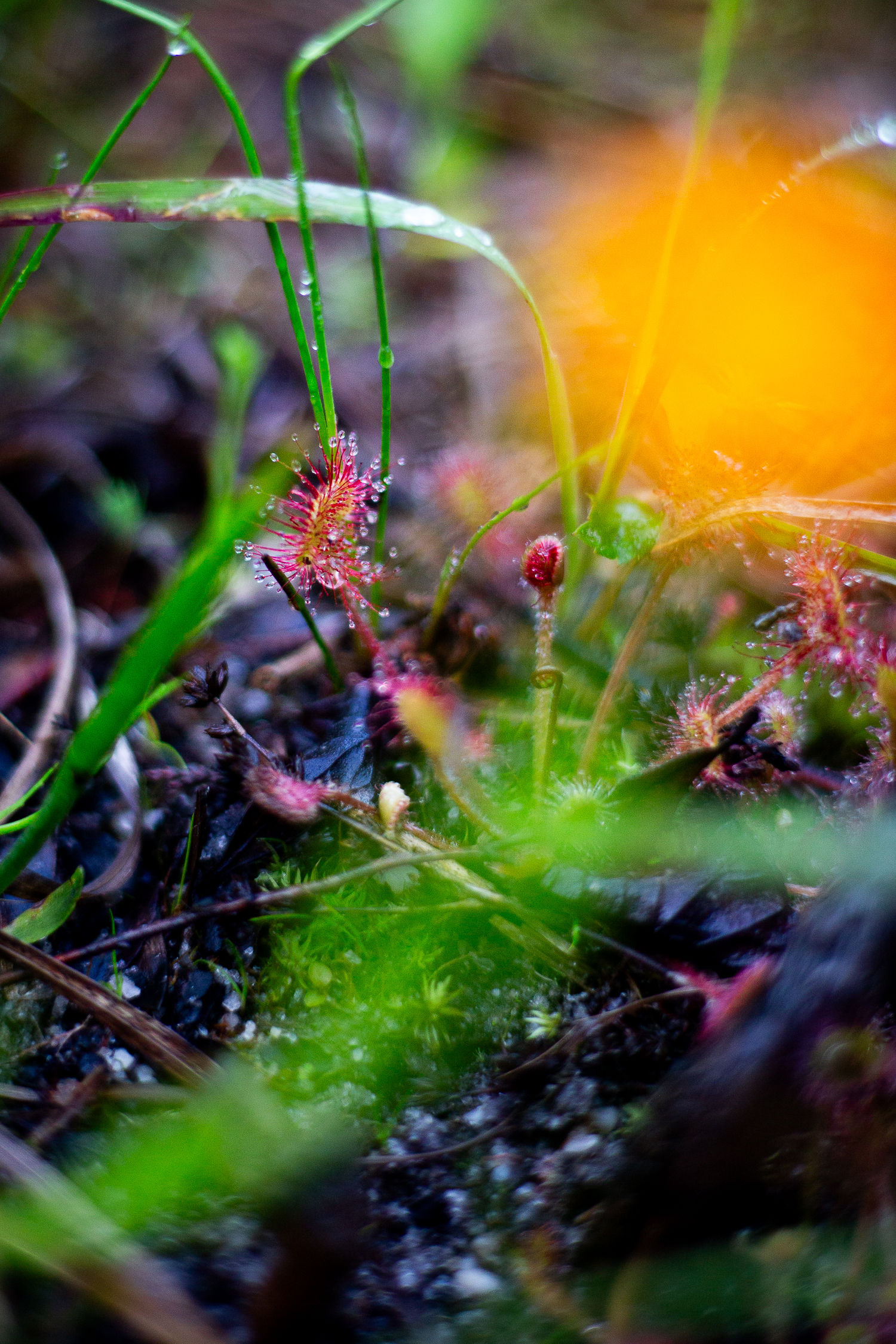
Plants, including the purple pitcher plant and sundews, consume insects and are found near swamps and wetlands within the pine barrens.
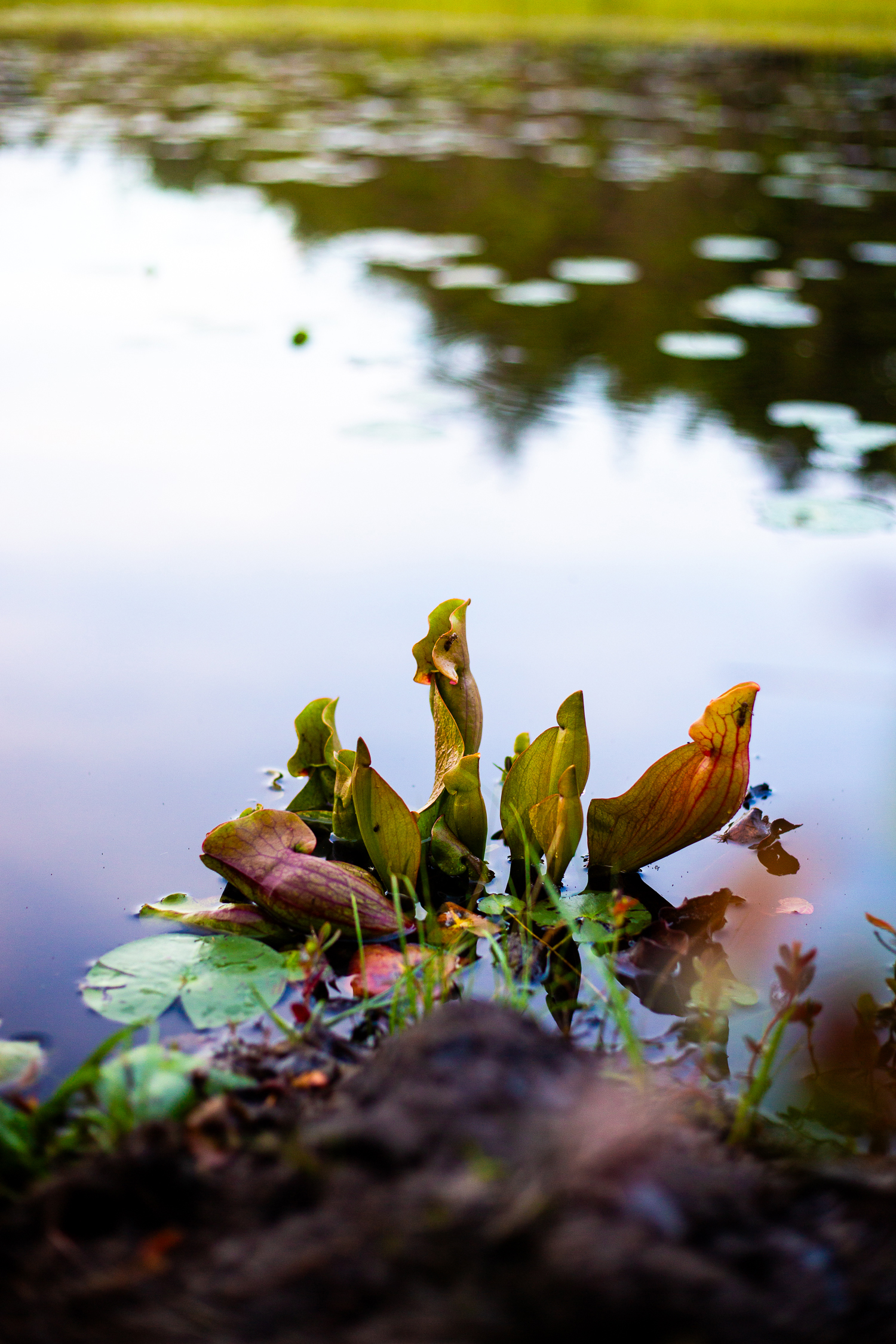
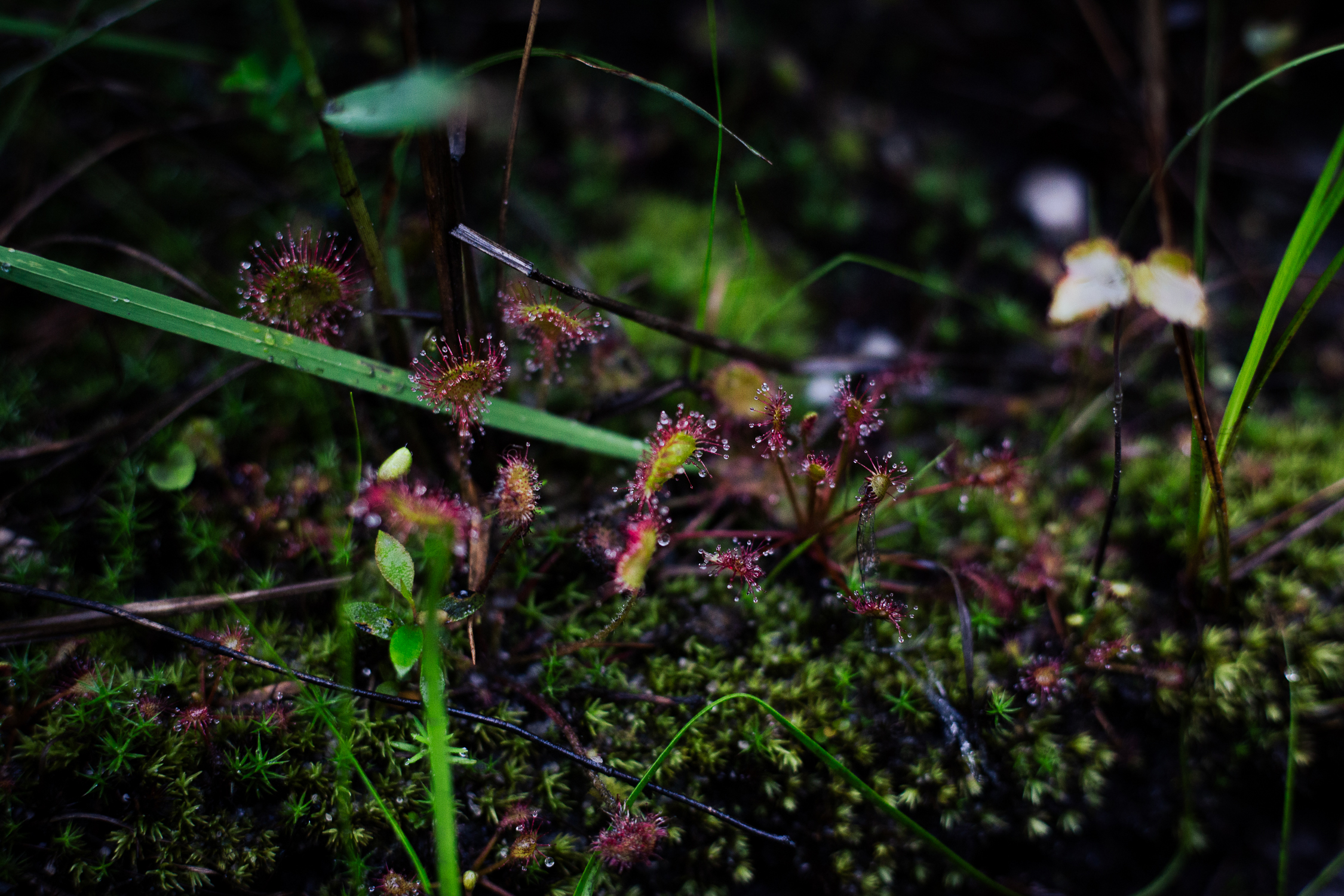
The sundews have insect-trapping fluids, while pitcher plants fill with fluid like a pitcher for liquids. Purple pitcher plants can also come in green with green/purple hues.
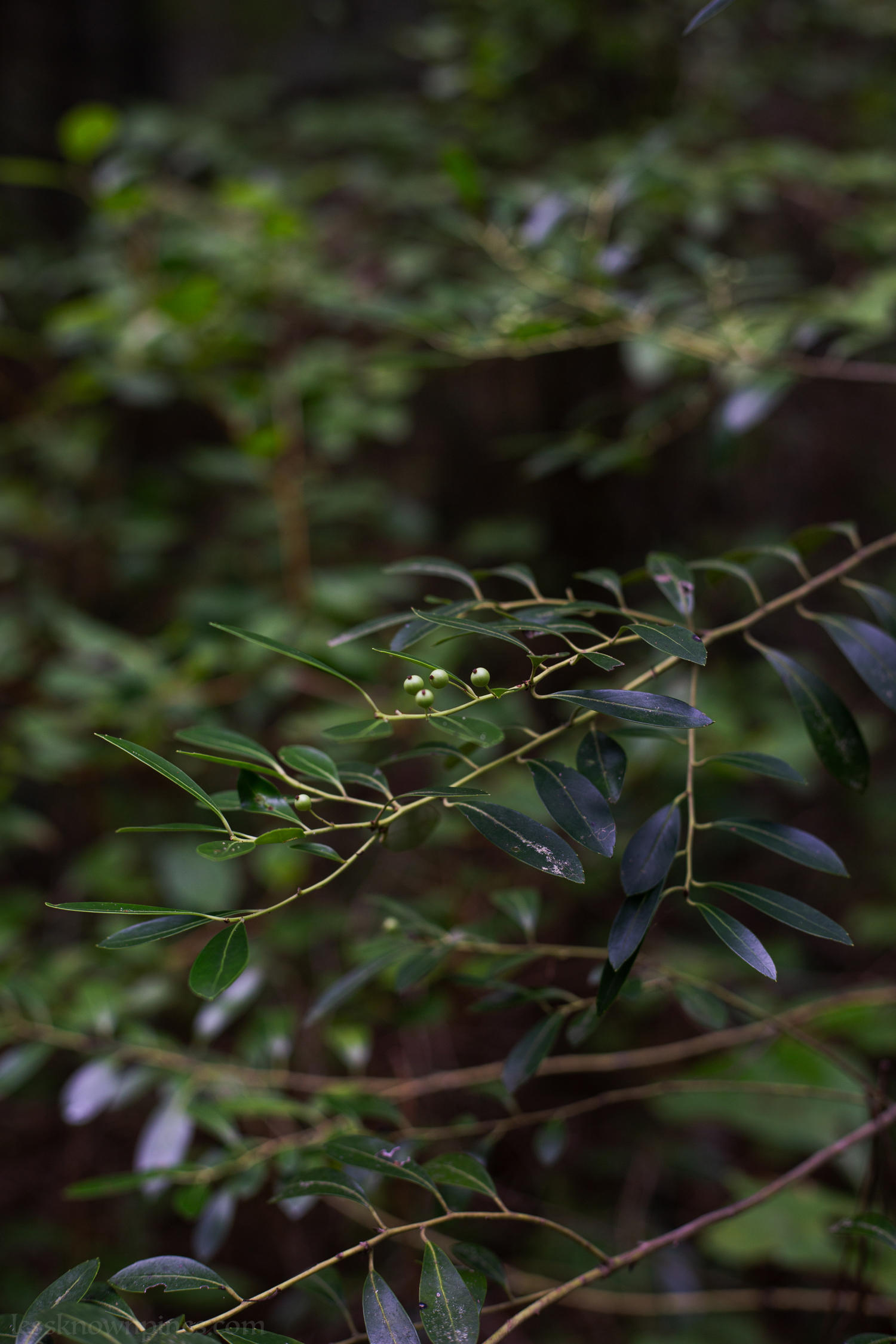
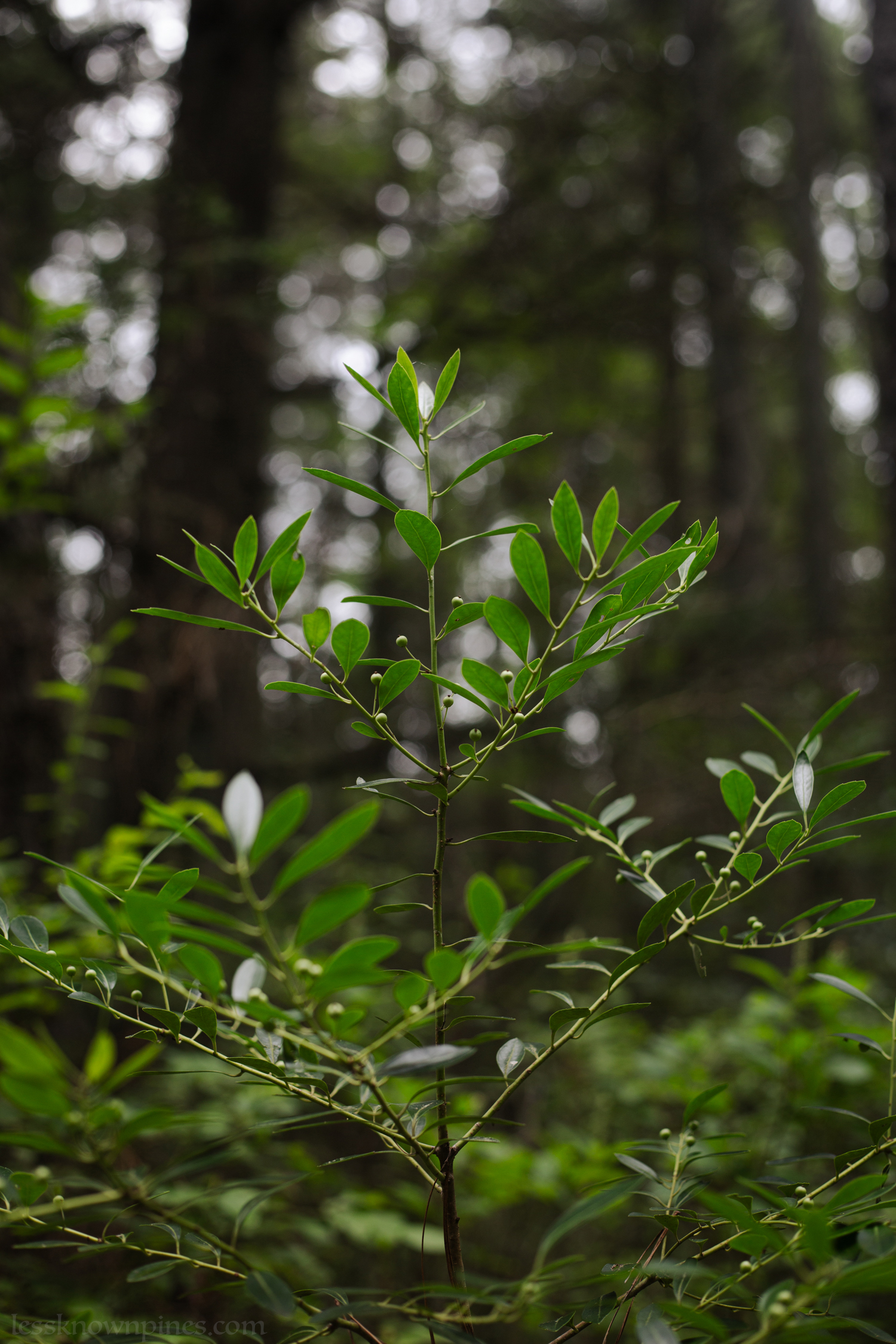
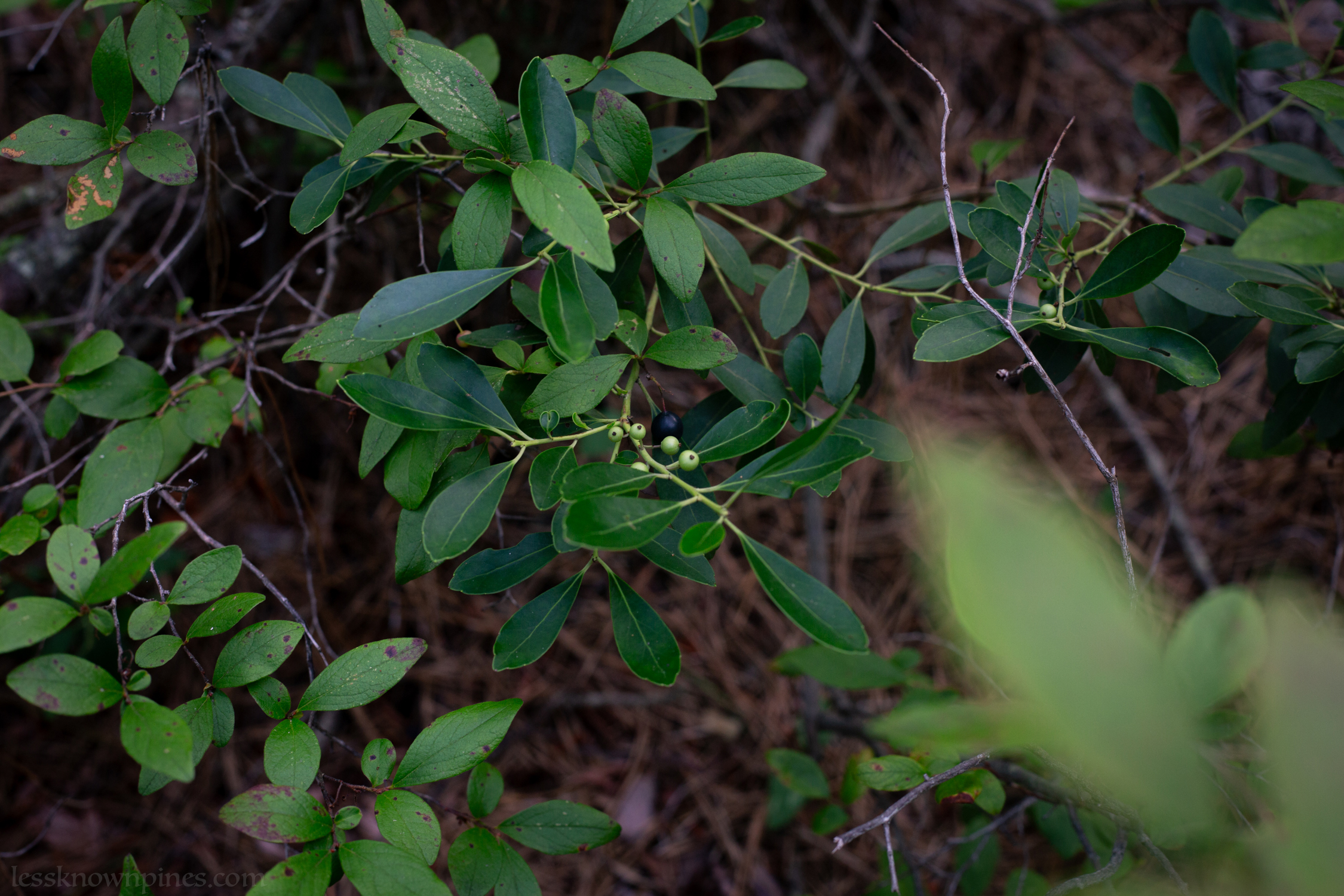
Inkberry
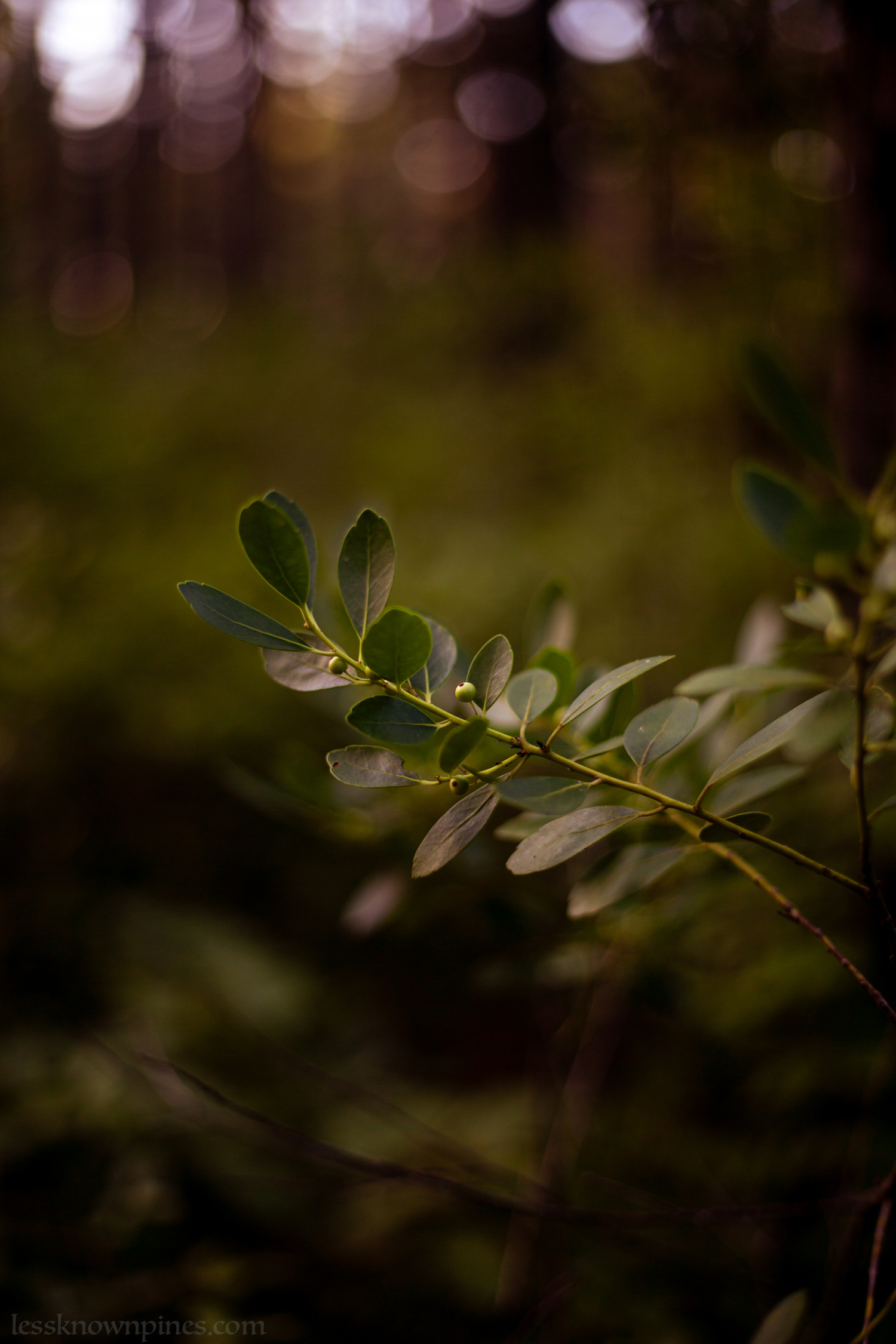
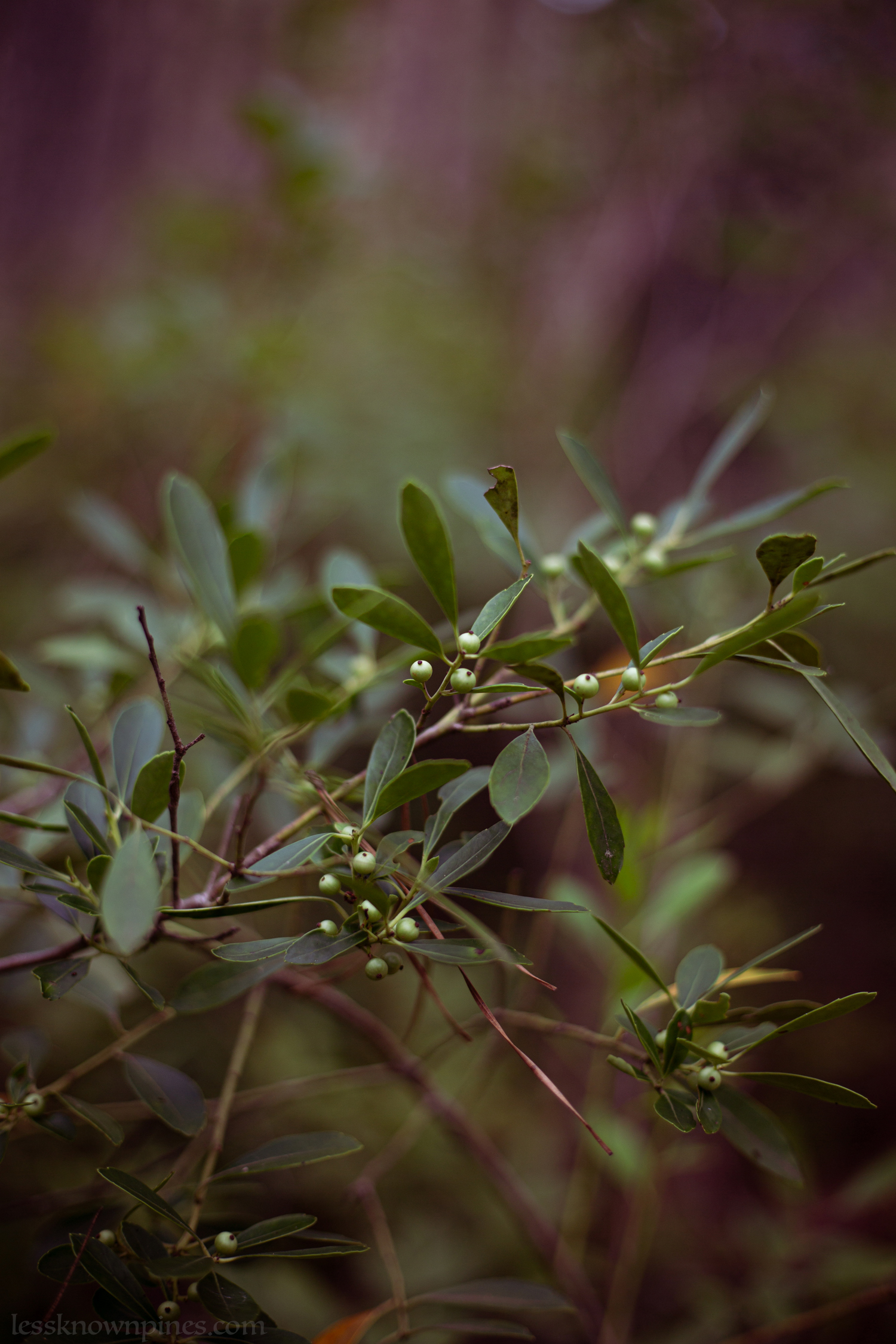
These plants keep their foliage throughout the year. Their berries may disappear, however the leaves remain through winter. The leaves point upwards and berries begin to grow during early-summer.
Sweet Pepperbush
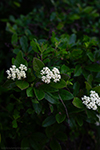
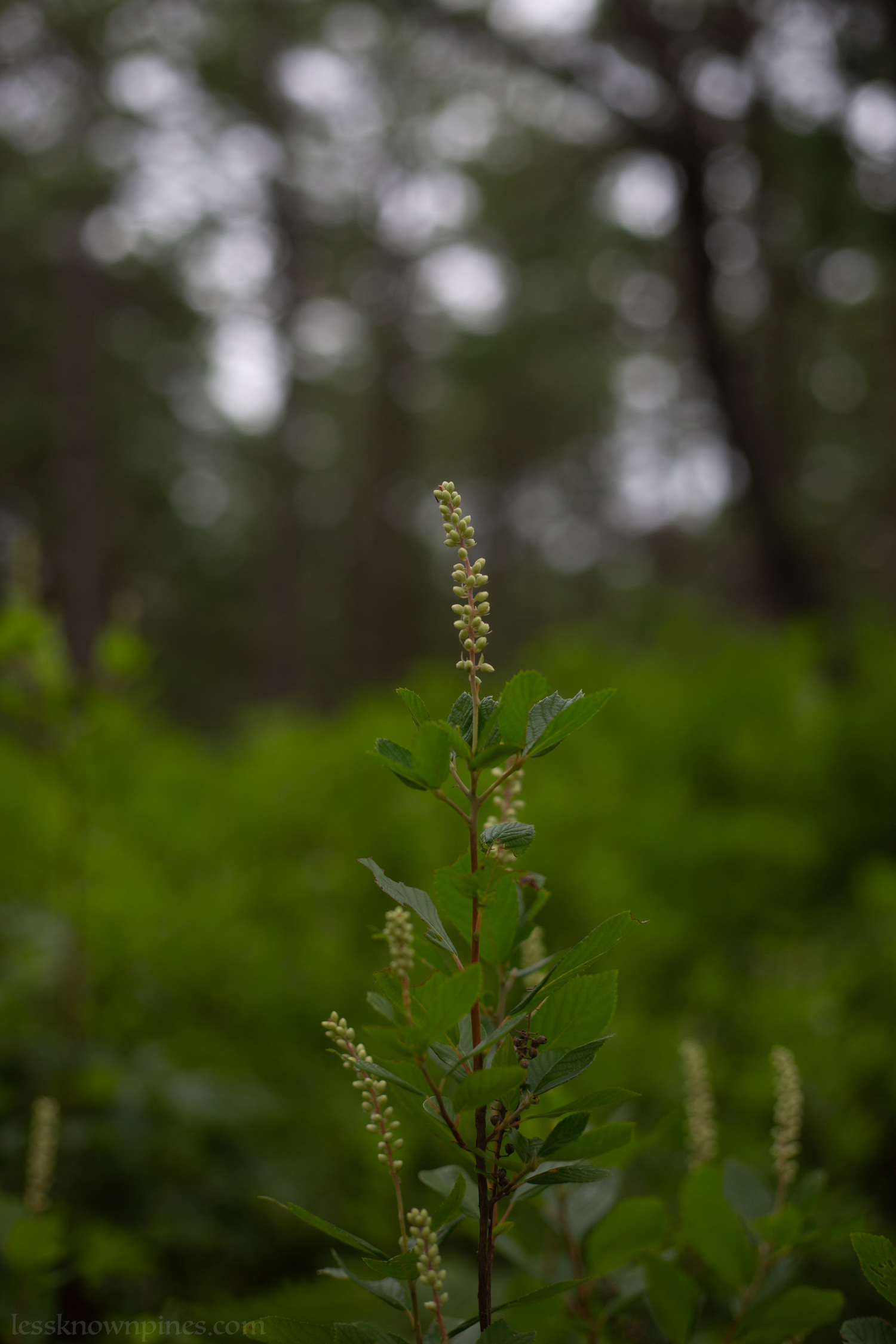
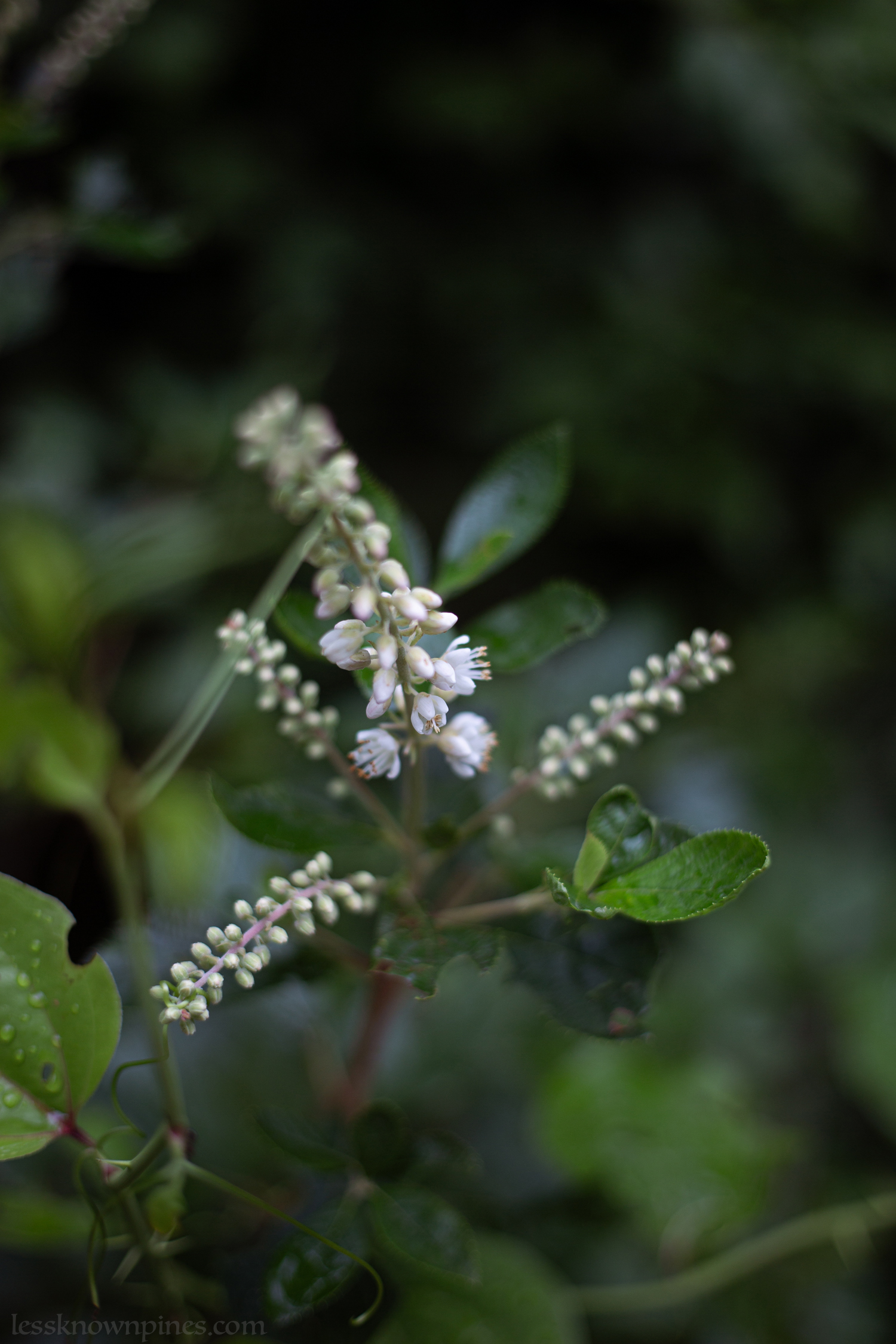
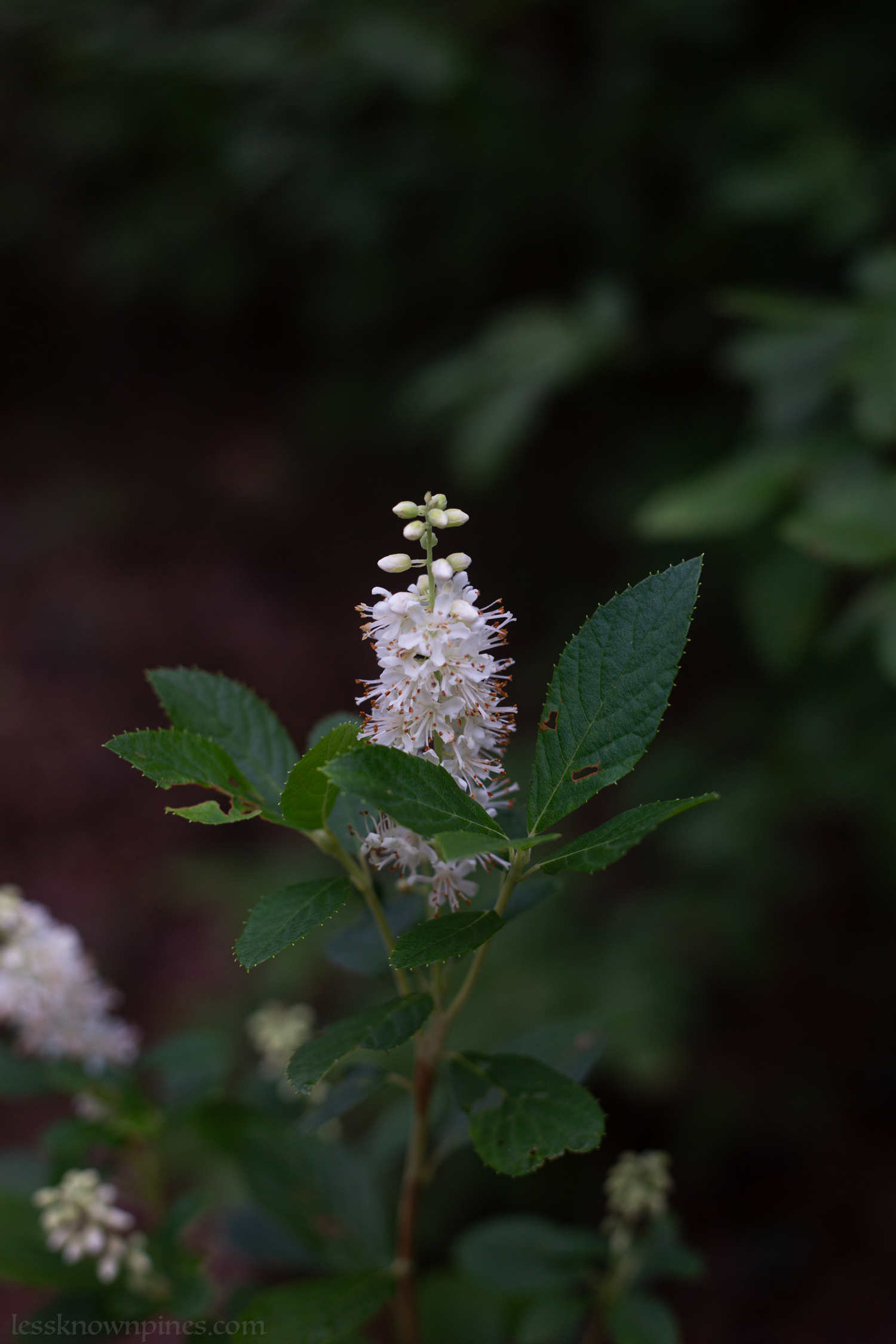
The sweet pepperbush is a wetland plant found within cedar forests and swamps. They begin to bud in early summer and bloom by midsummer. Once they bloom, the flower lights up much of the forest and swamps before maturing.
Goldenrod
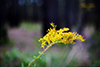
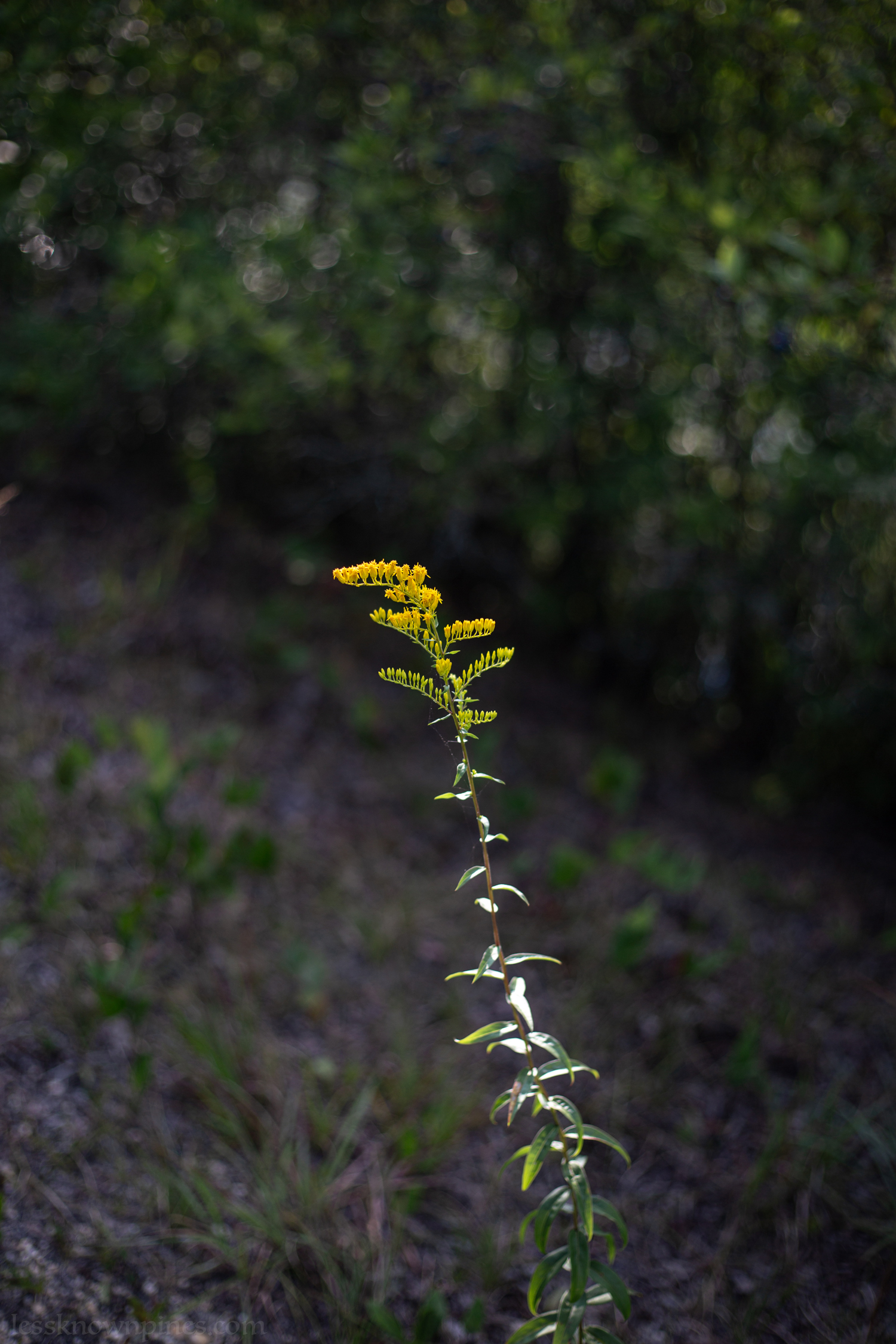
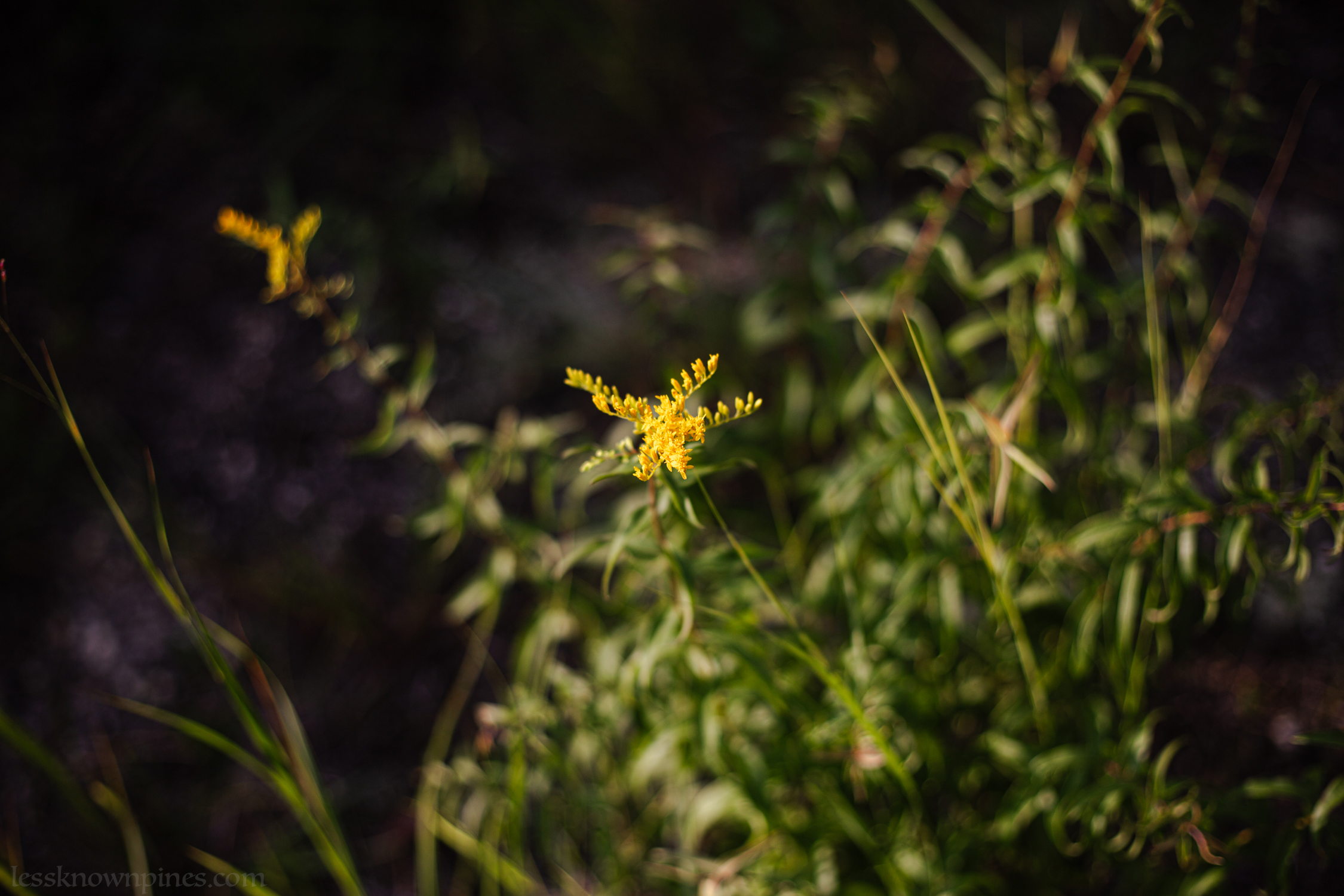
The grassy-shrub that becomes a bright-yellow during mid-summer.
Mountain Laurel
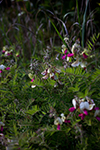
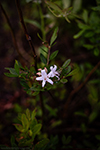
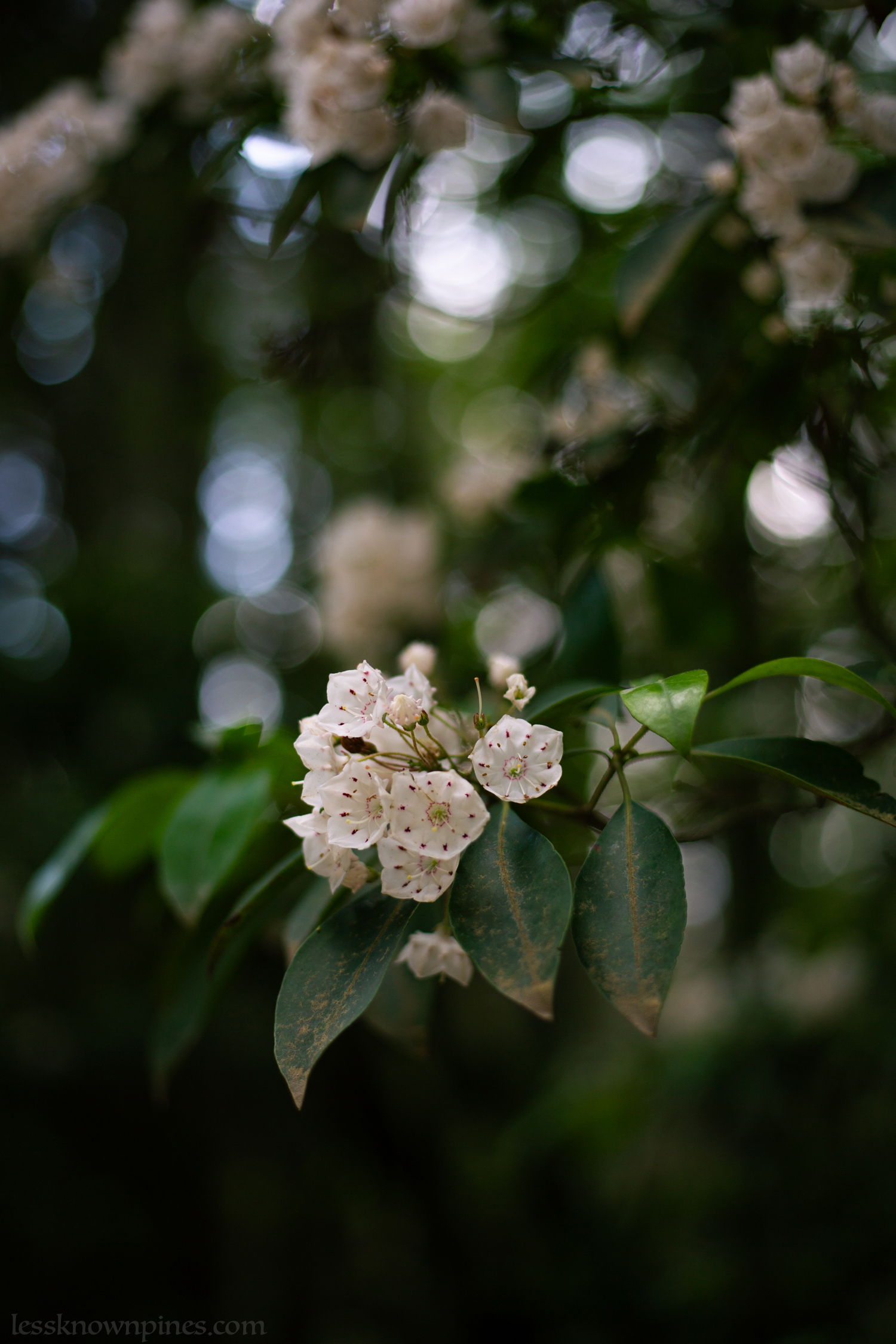
A shrub that does not go into dormancy during winter that grows pink and/or white flowers during late-spring to early-summer.
Huckleberry
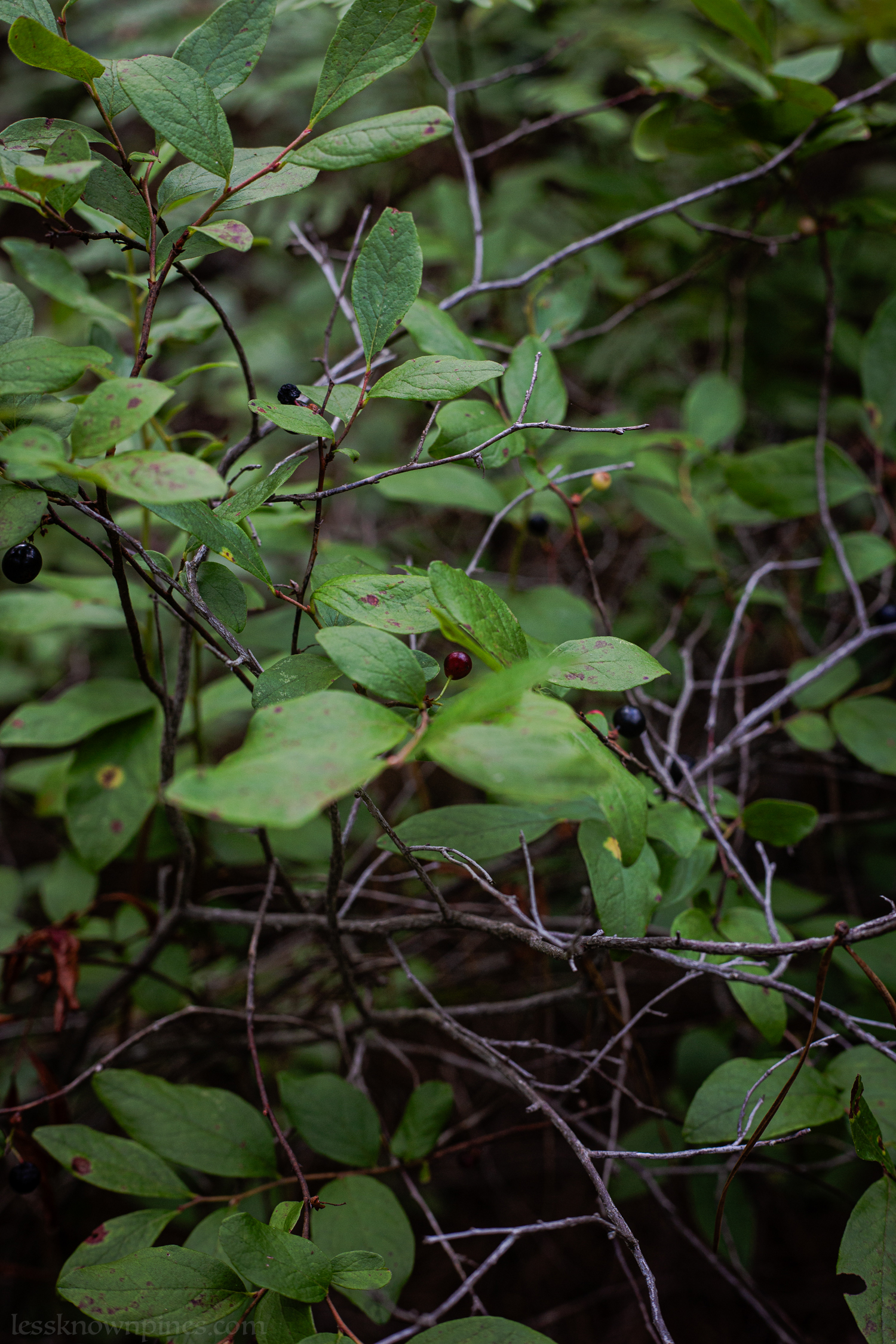
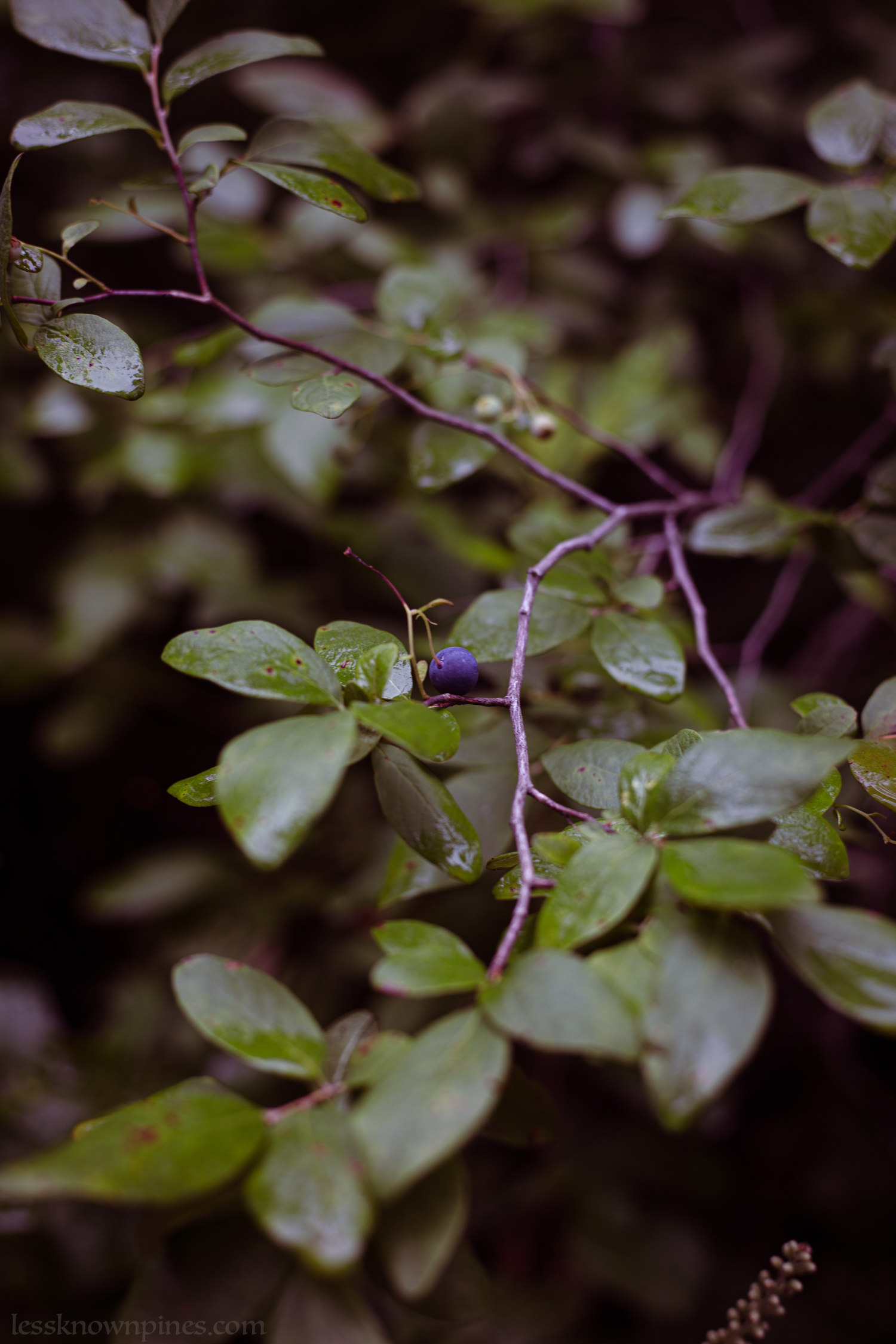
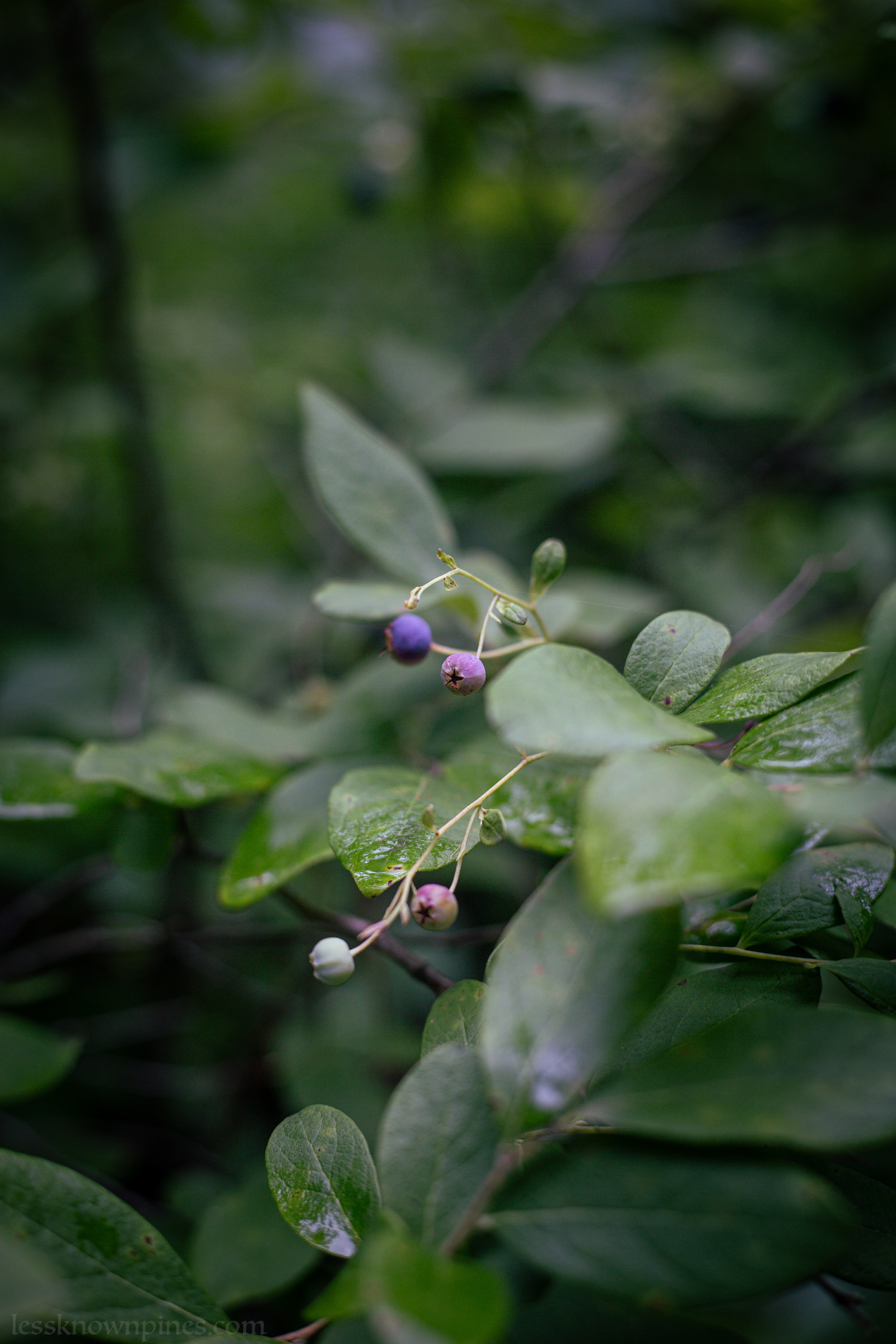
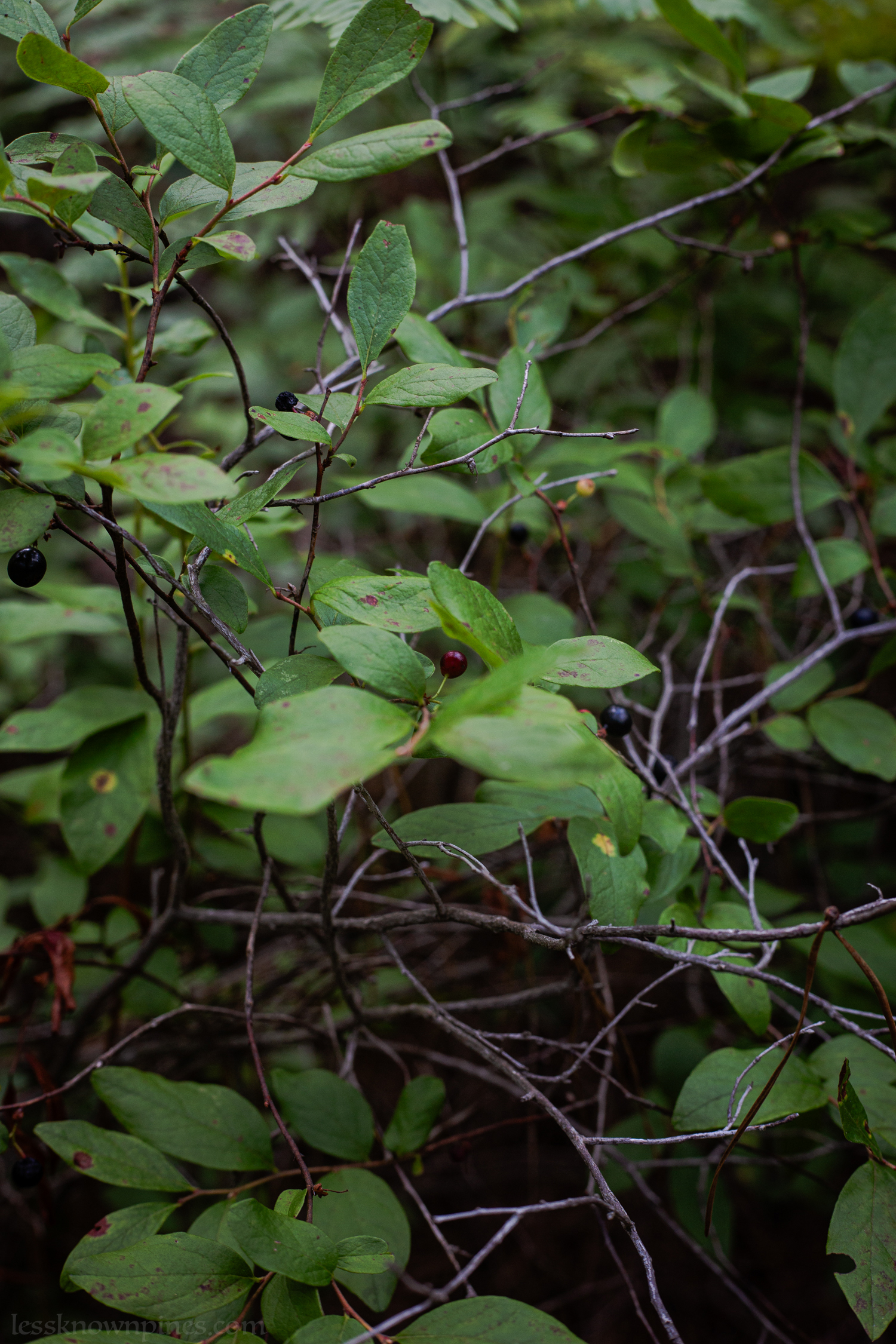
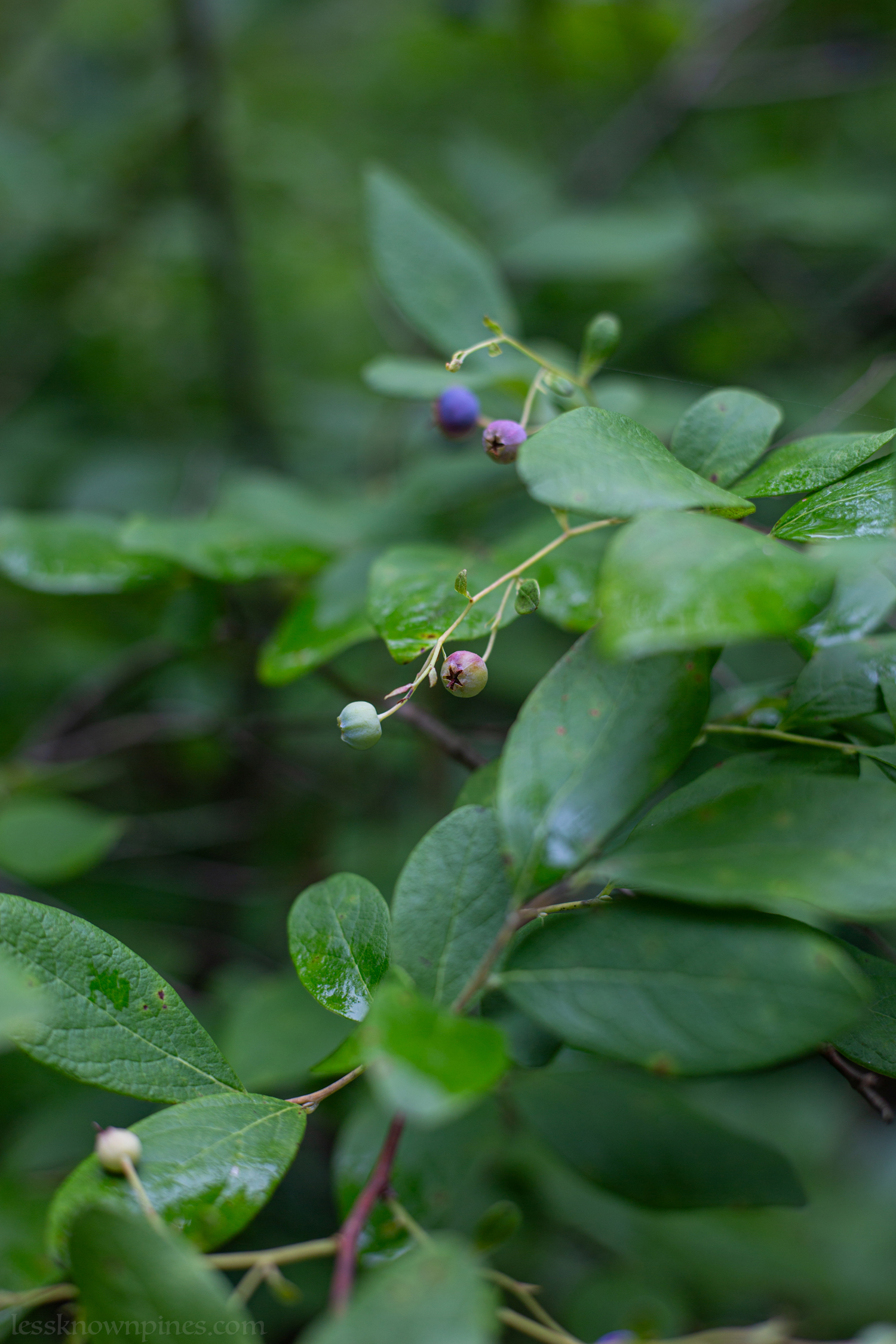
Similar to blueberries, they are very common throughout the wetlands and uplands. Unlike blueberries, which grow in clusters, huckleberries grow farther apart from each other. Each berry on a huckleberry is more spaced out than that of a blueberry plant.