









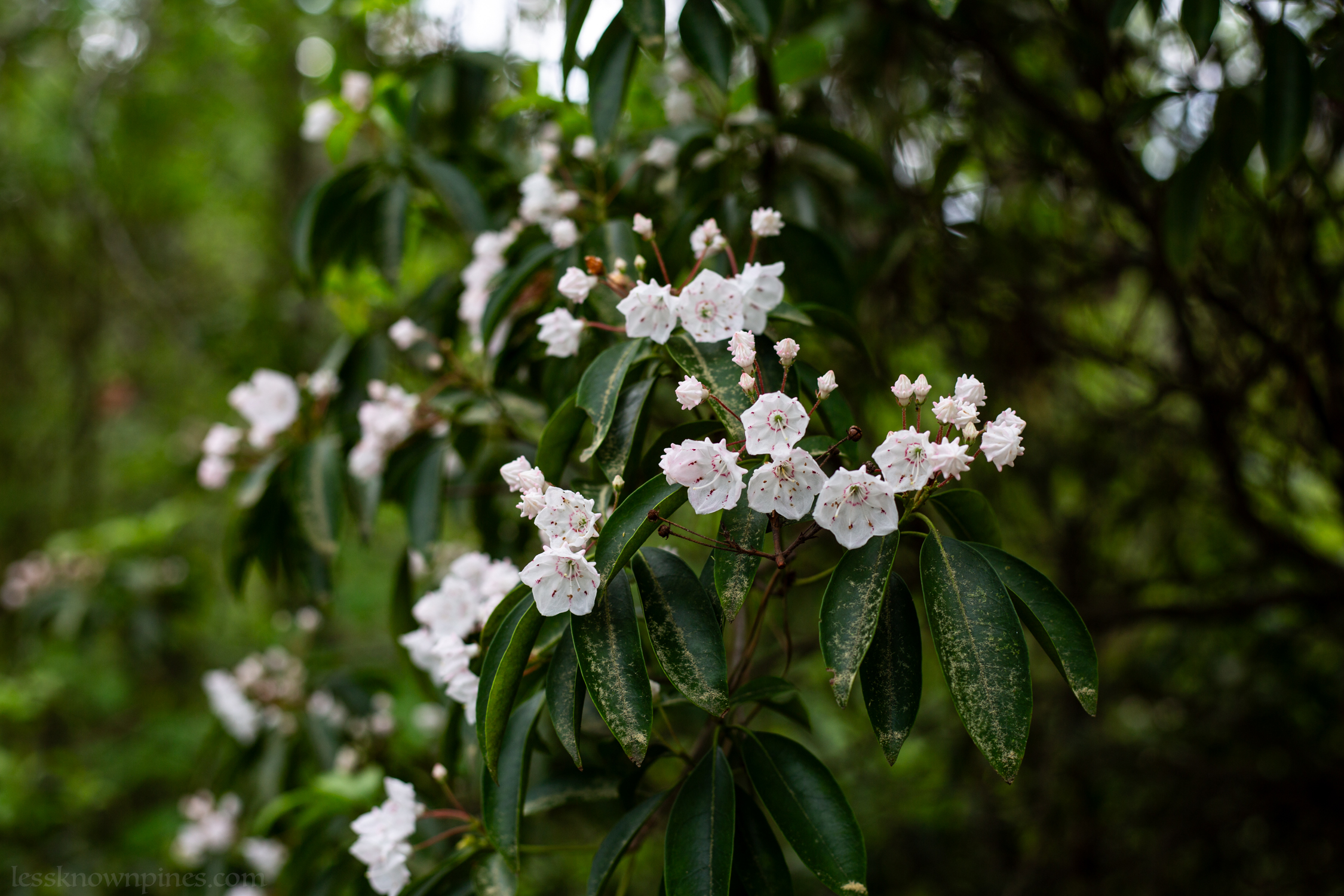
Cedar Irrigation System
Much of the ground in the pine barrens is dry sand; however, cedar prefers damper soil. Many lakes, ponds, and canals distribute water to the roots throughout cedar forests.
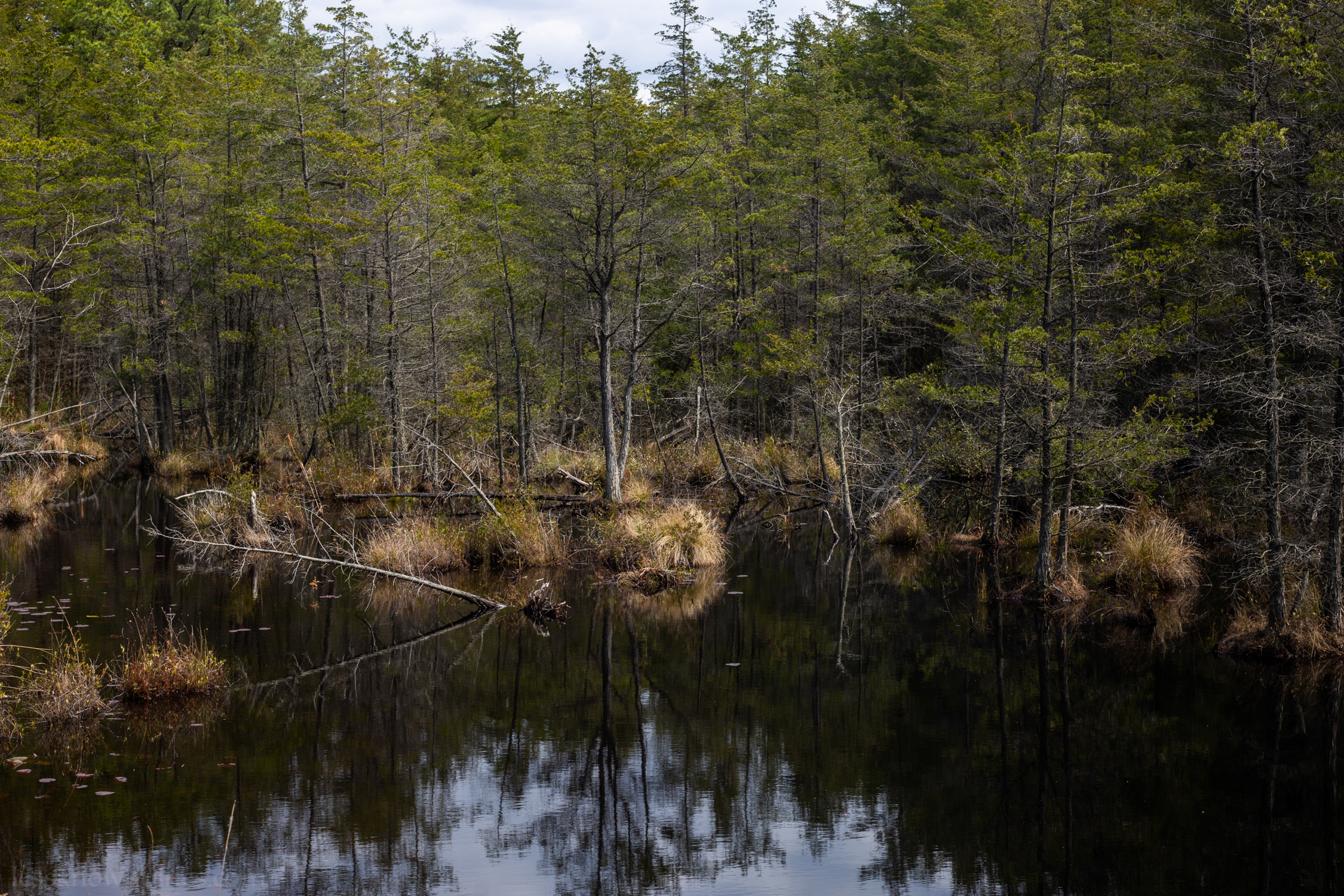
Lakes
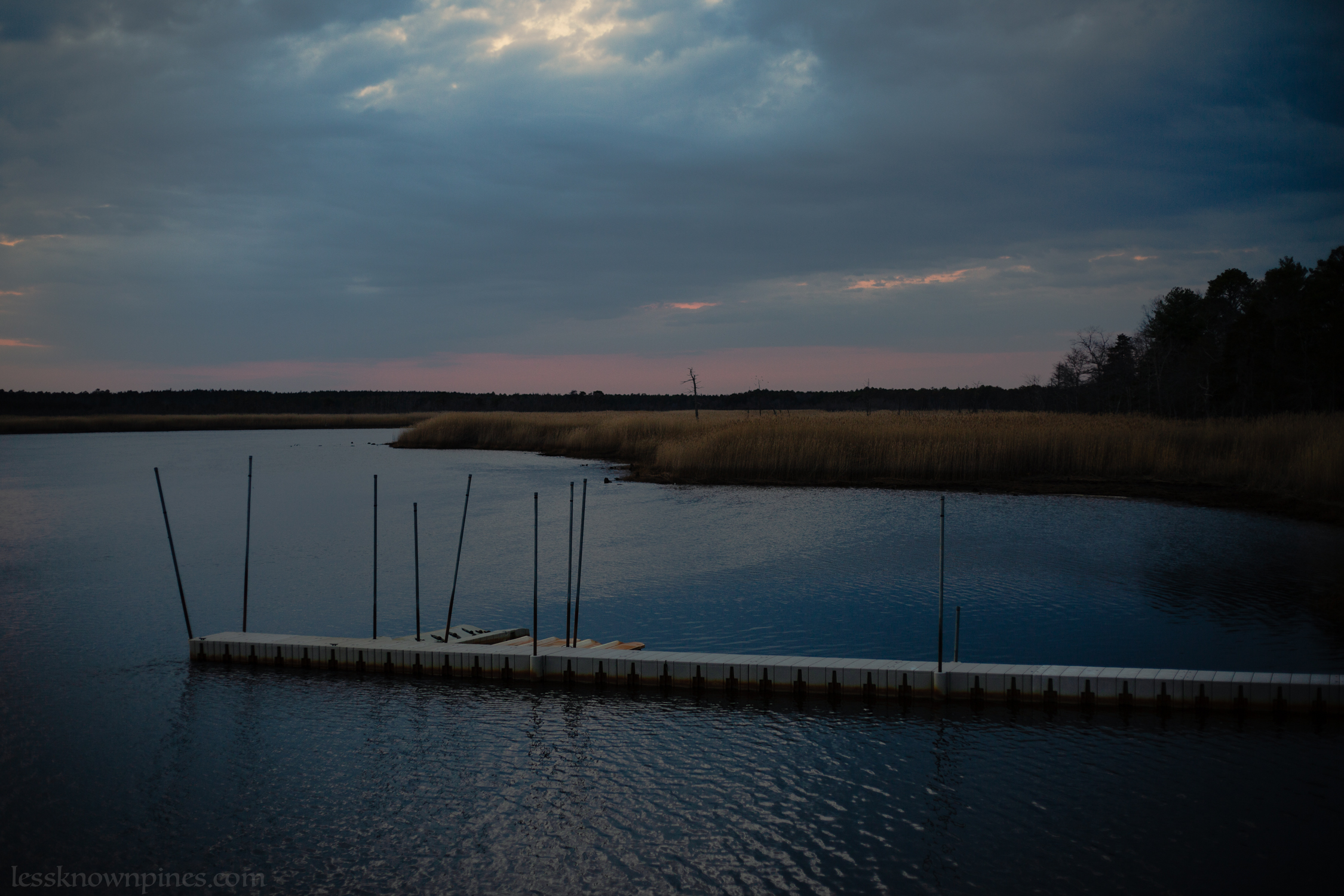
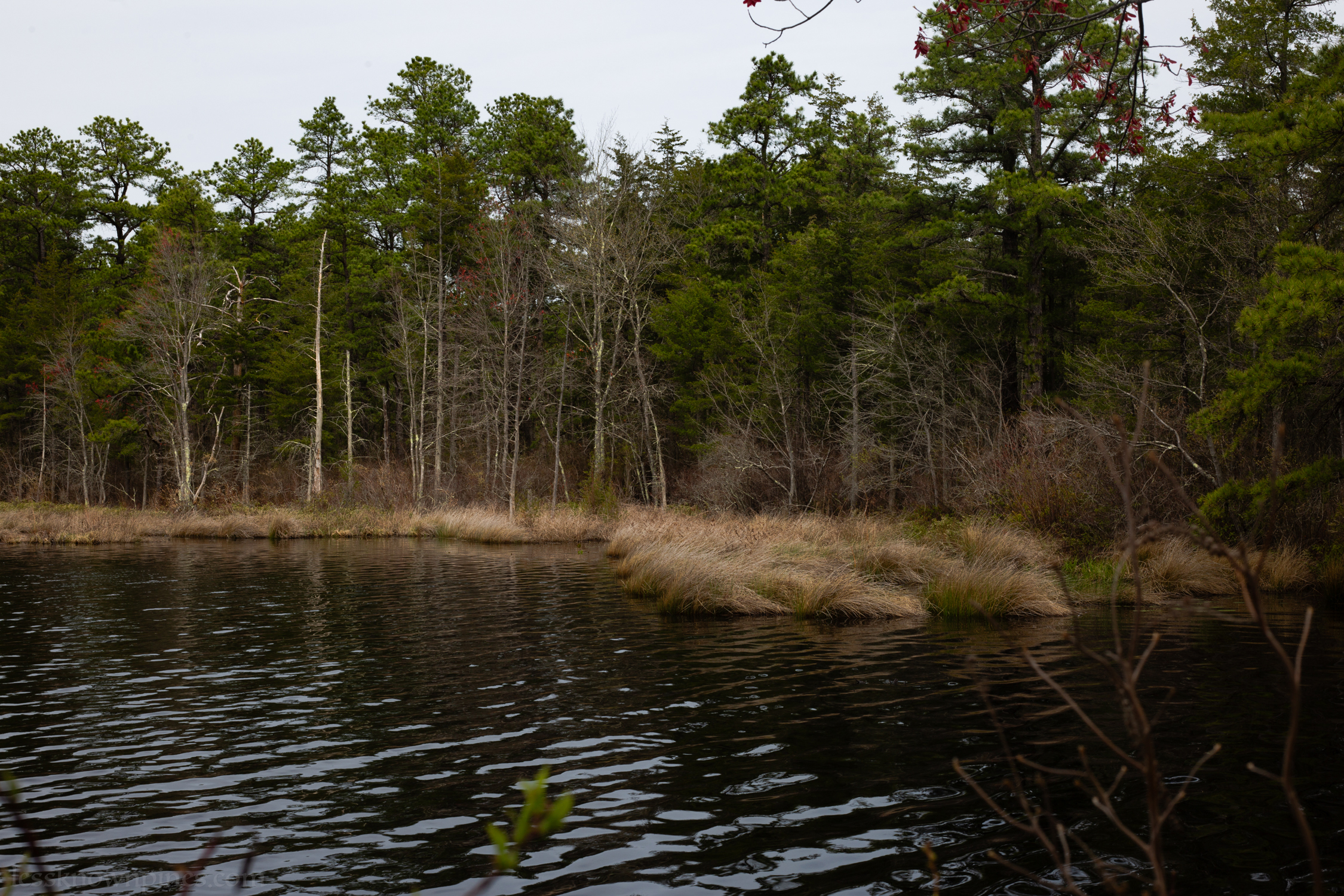
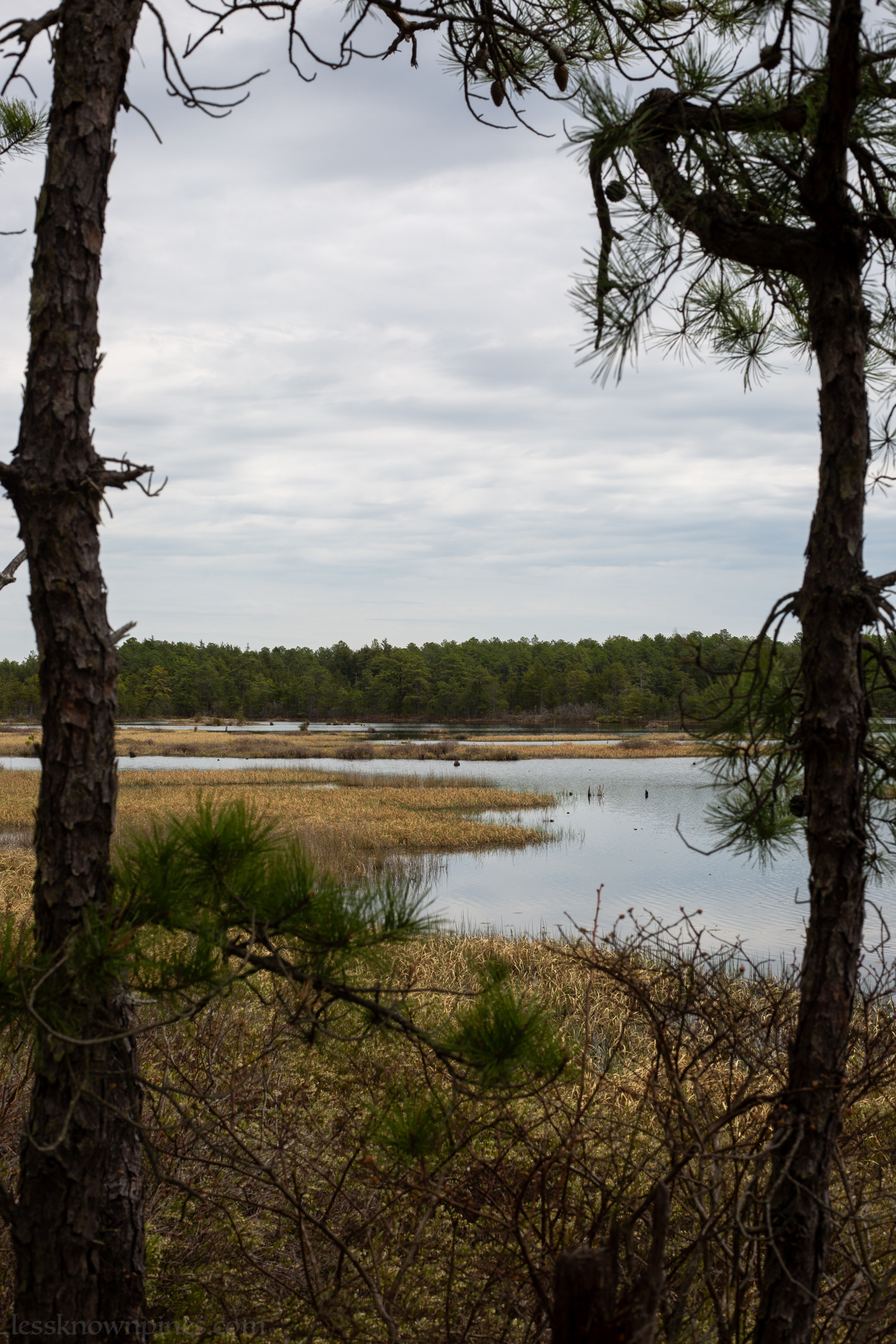
The water source usually leads to a body of water that is large enough to be a lake. This is where the water collects.
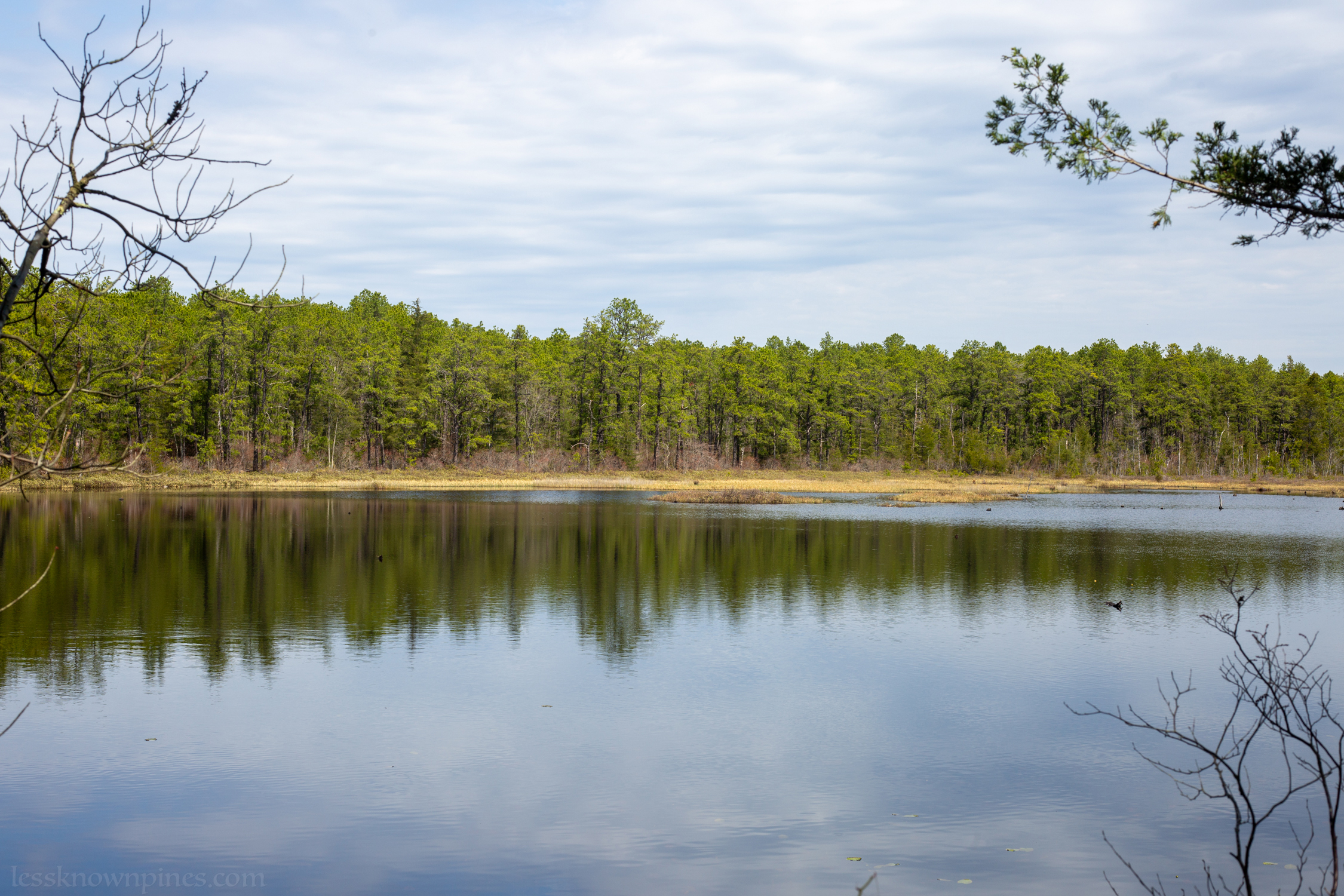
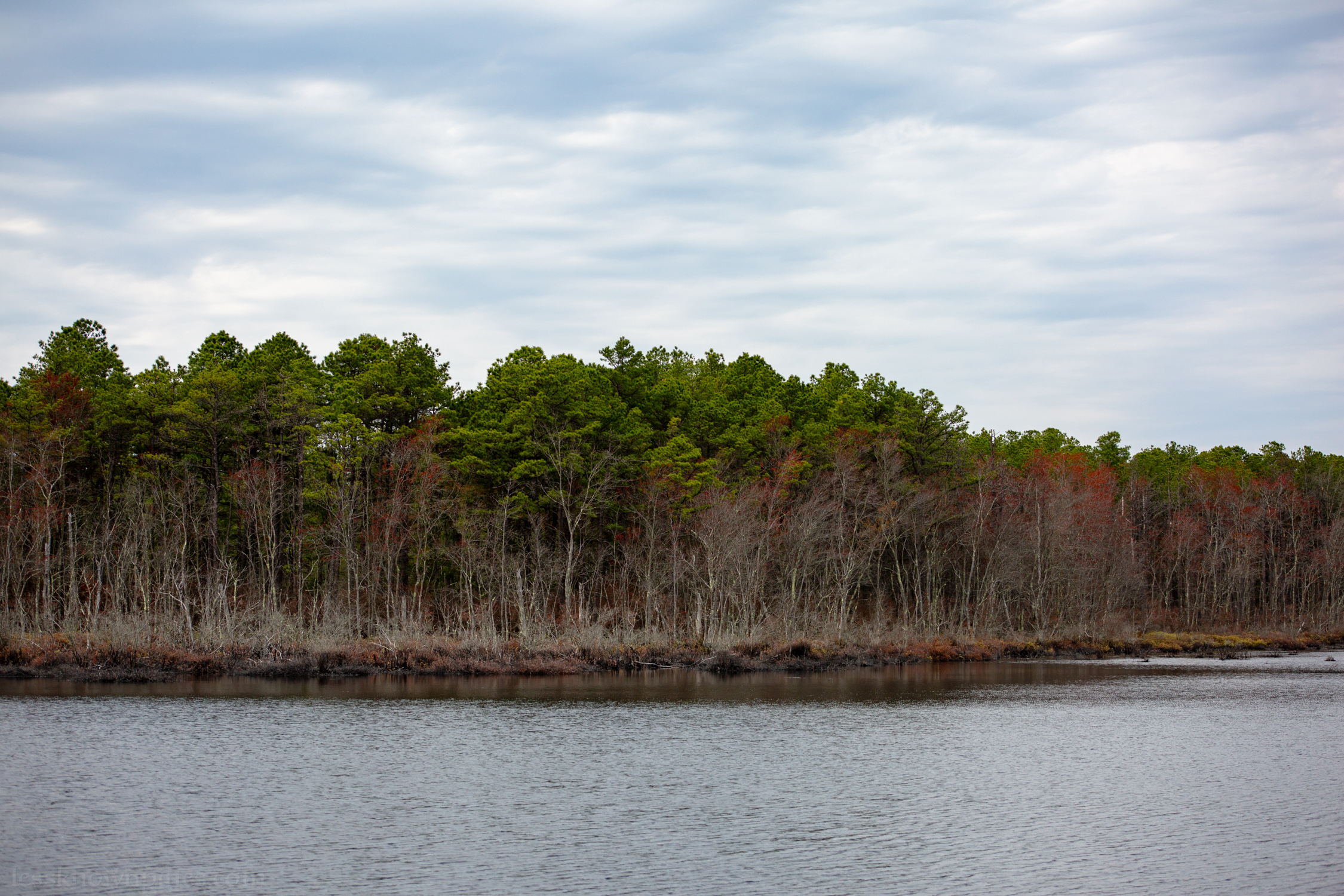 Lake is also surrounded by oak
Where the Lakes Lead to
The larger lakes are where the majority of water collects. Excess water will lead to these lakes, although on occasion, it may be the source of the irrigation system.
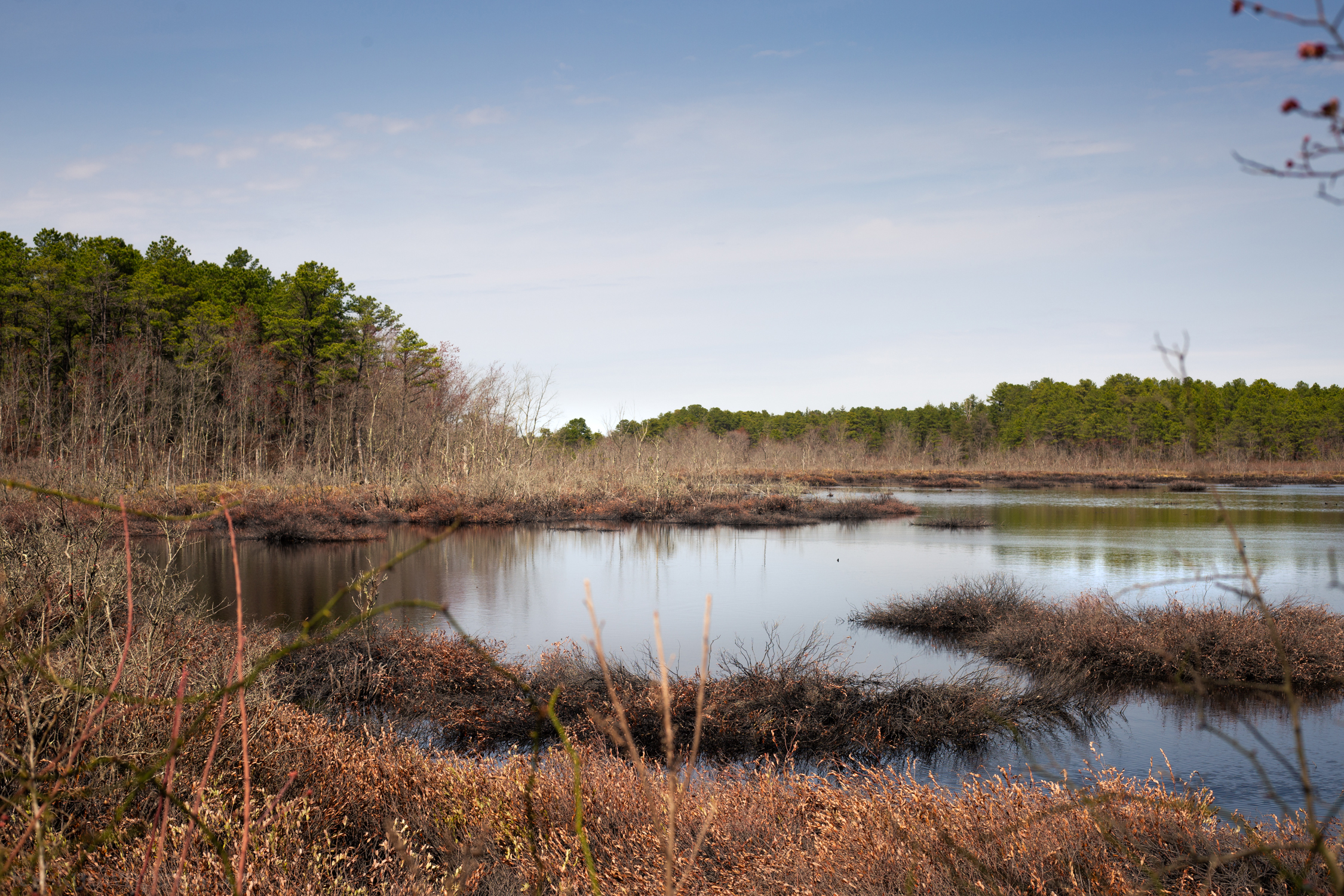
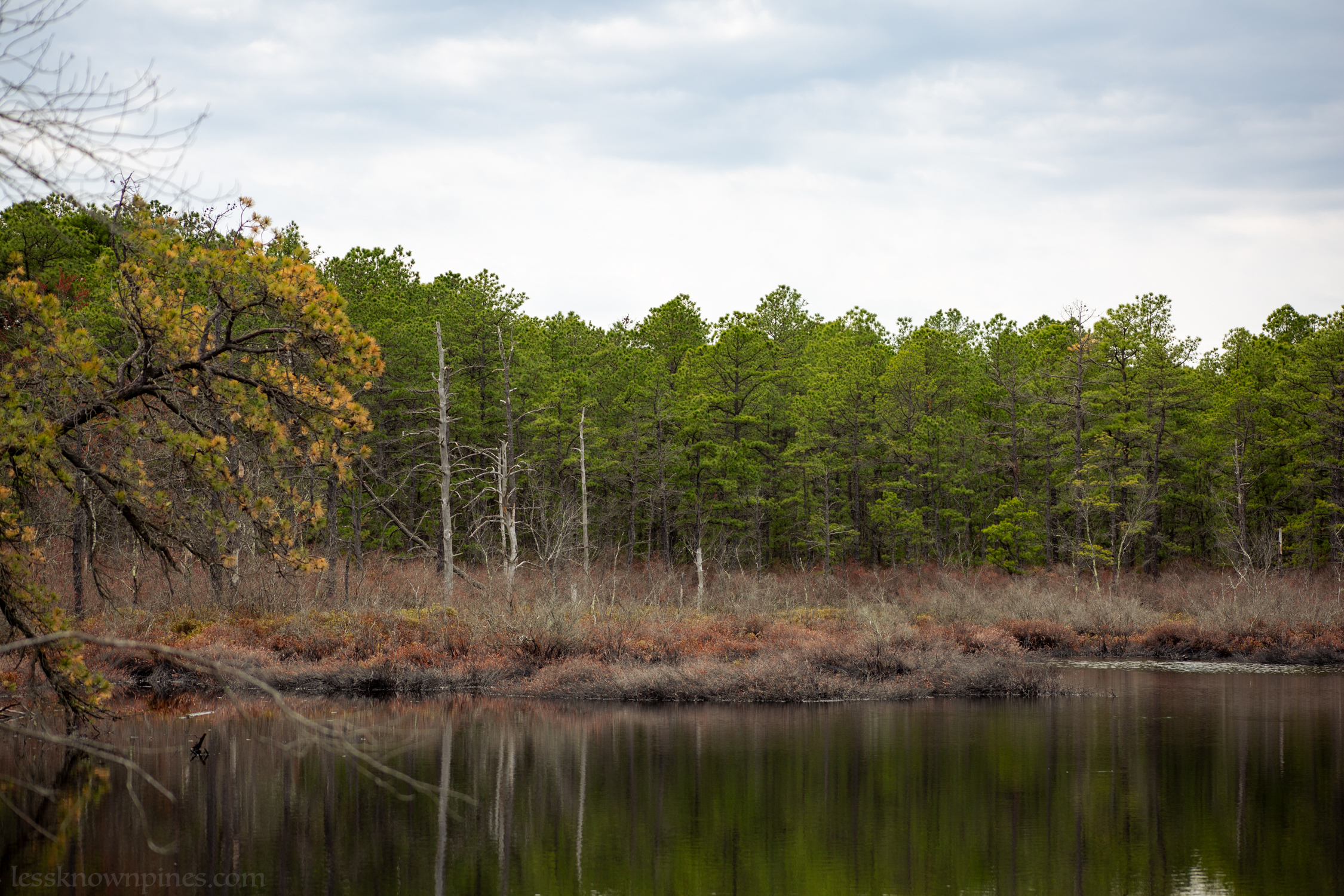
Within the edges of the lakes, water gets channeled into canals, where it is then carried throughout the cedar forest.
Channels and Canals
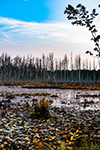
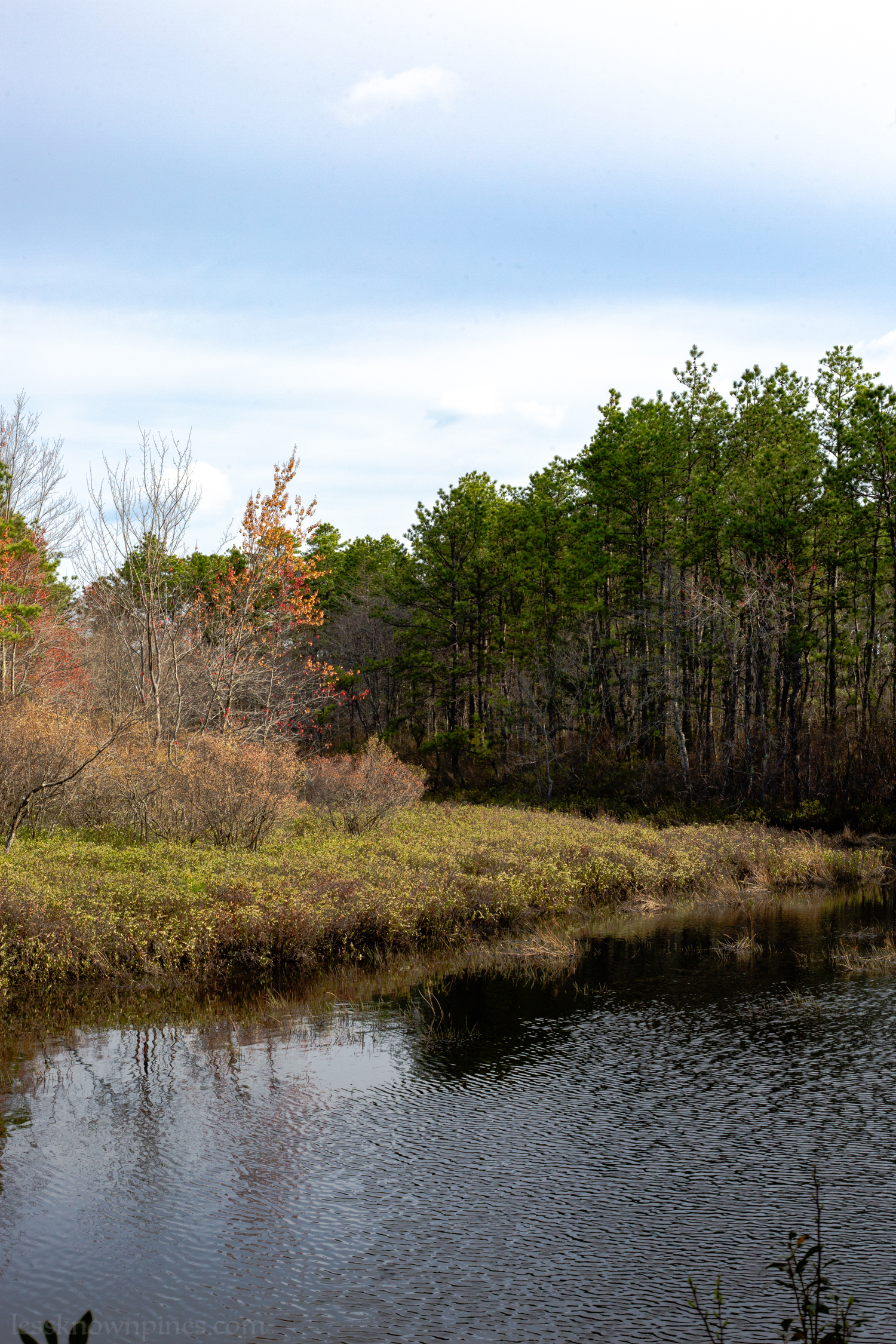
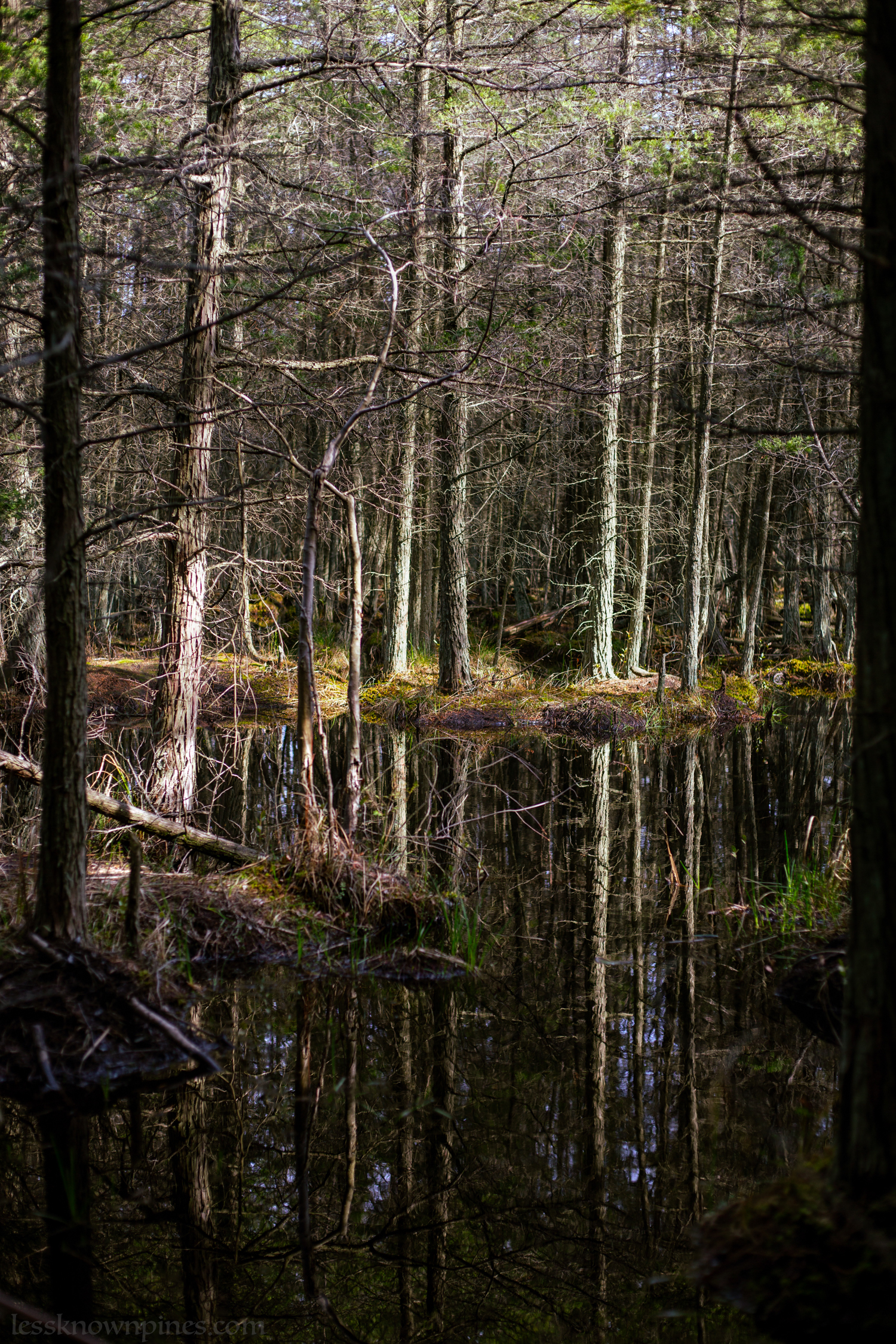
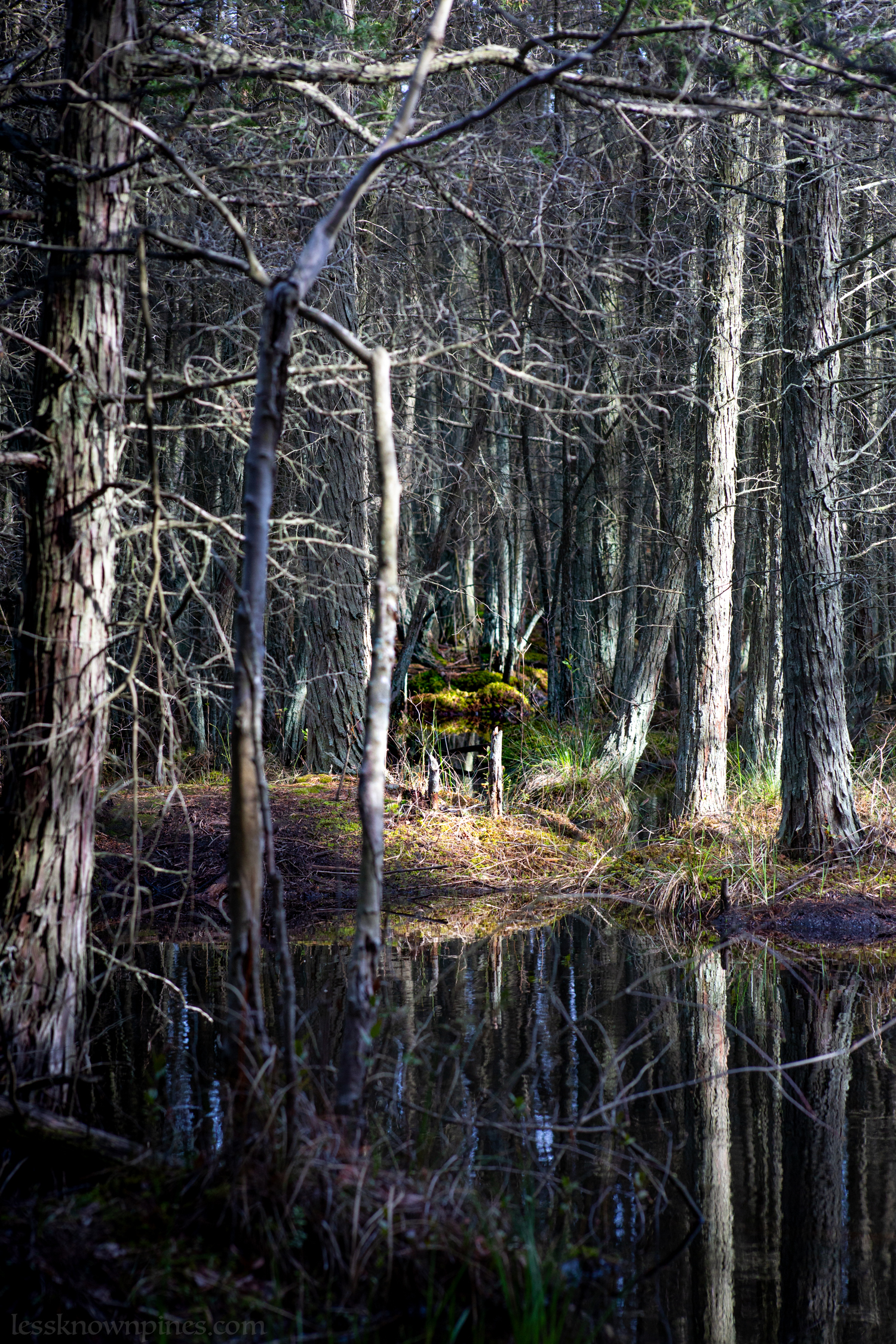
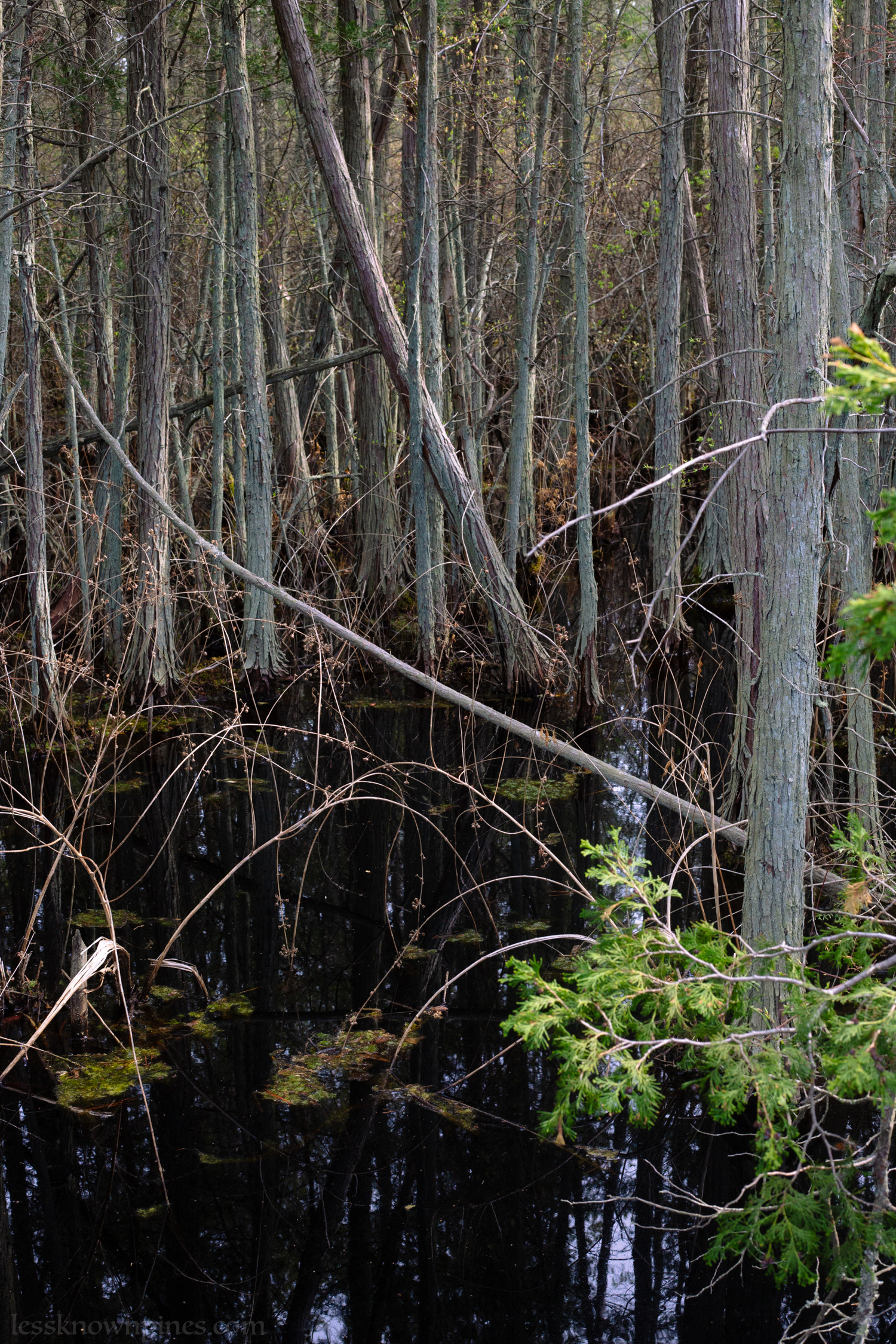
Water will collect in swamps surrounded by and mixed in with Atlantic white cedar trees. You will find collection areas in most cedar forests that will flood the ground, and then either continue to flood the forest floor or become narrower streams. These swamp canals and collection areas almost always lead to a much larger swamp or lake. On large, gradual slopes of land, water gets channeled away from a lake on a decline, only to end up in a much larger lake at a lower elevation.
Unique Water Characteristics
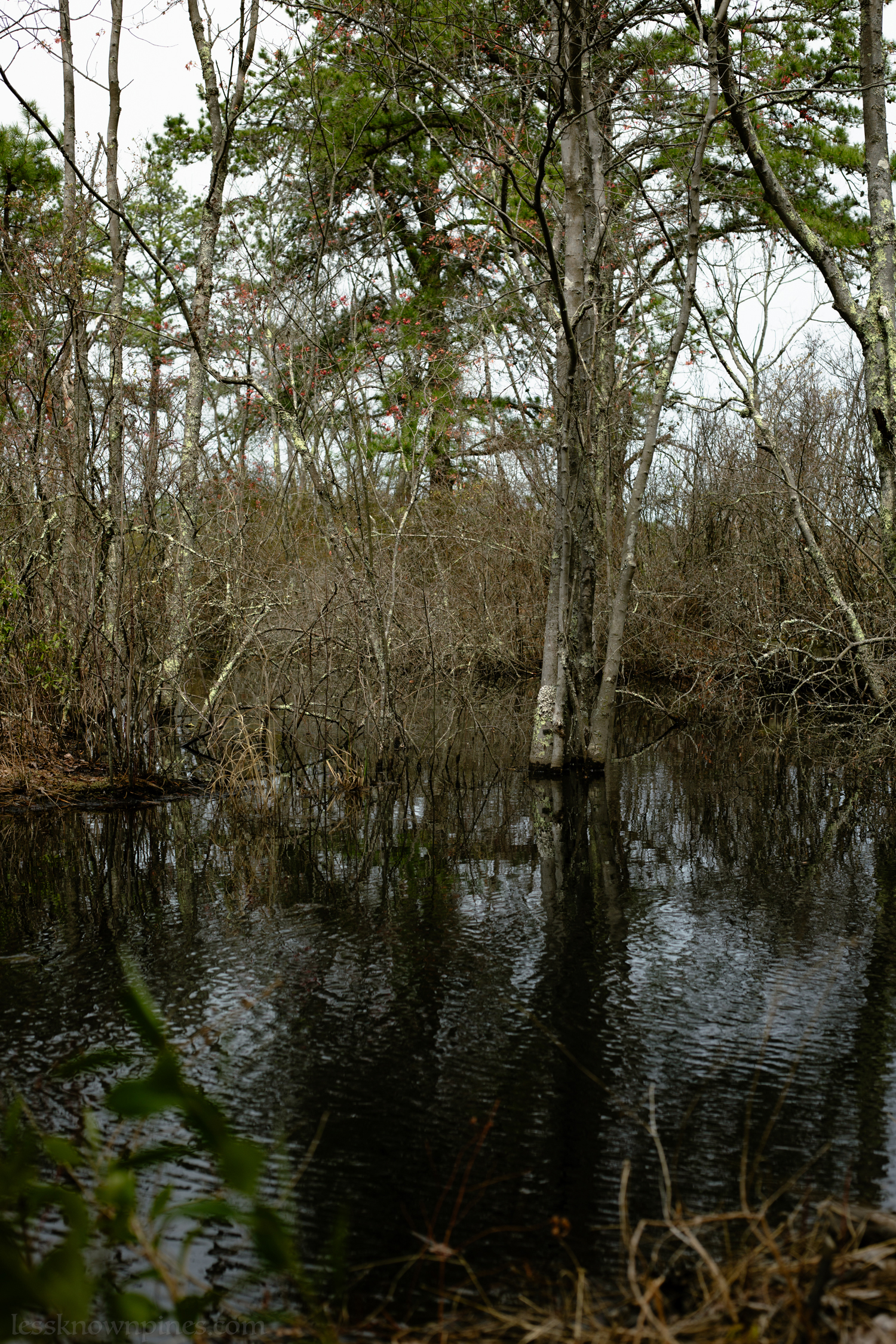 The marine lake before the beach
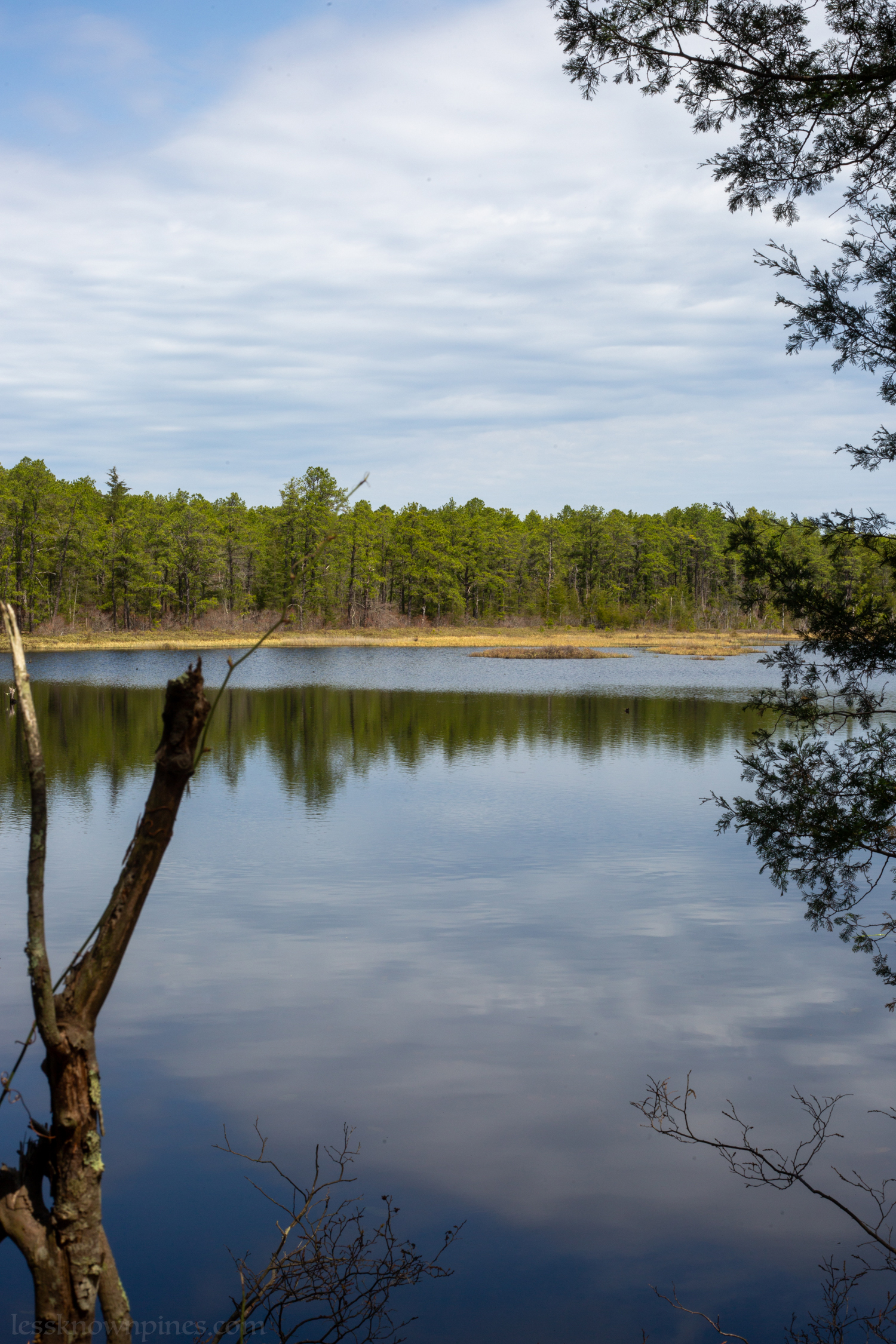
At a much smaller scale, this is the equivalent of a marine lake or bay before the beach. This small swamp lies very close to a much larger body of water, the swamp's small-scale ocean. The lake surrounds a small, lone island, out at sea.
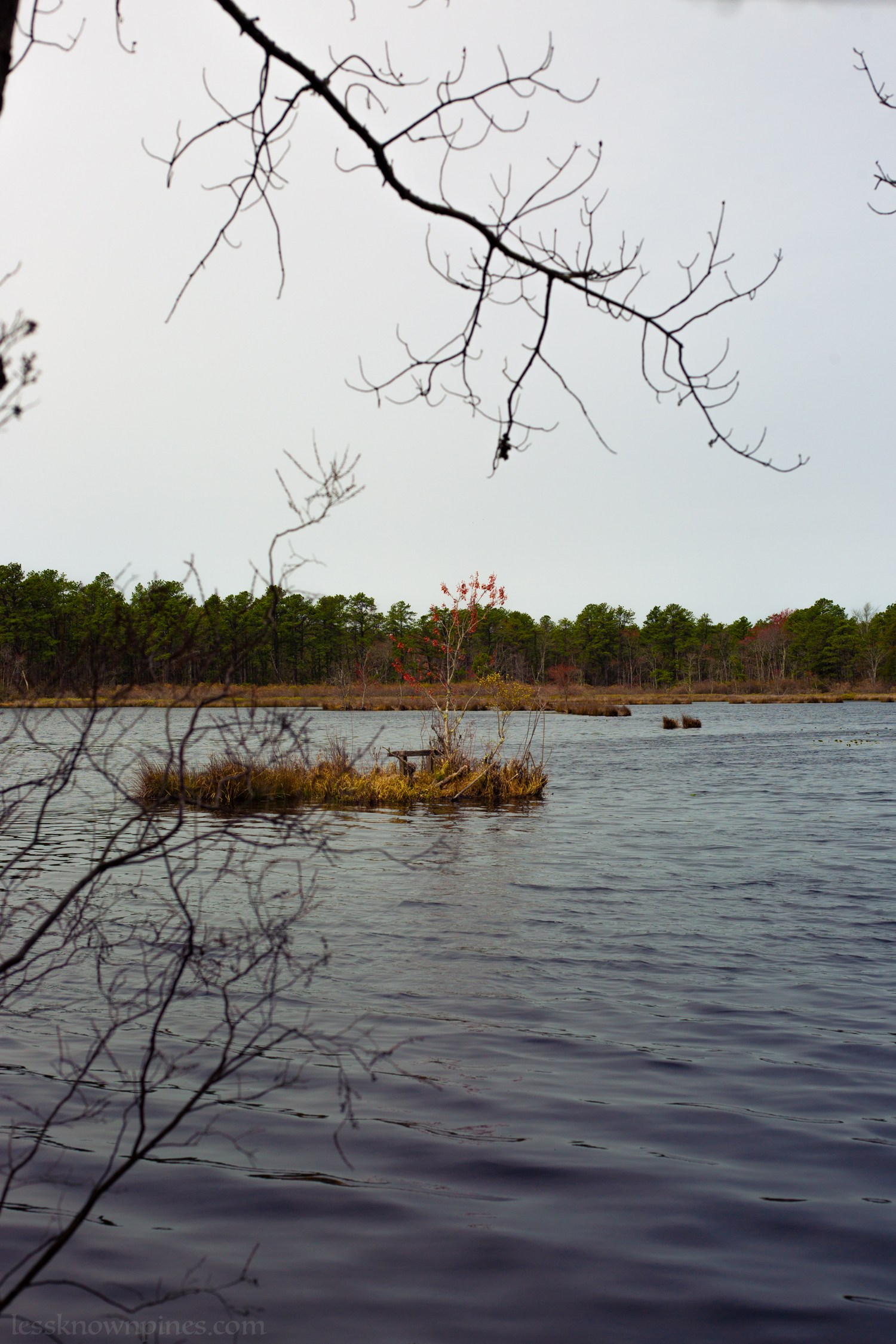 Small island out at sea
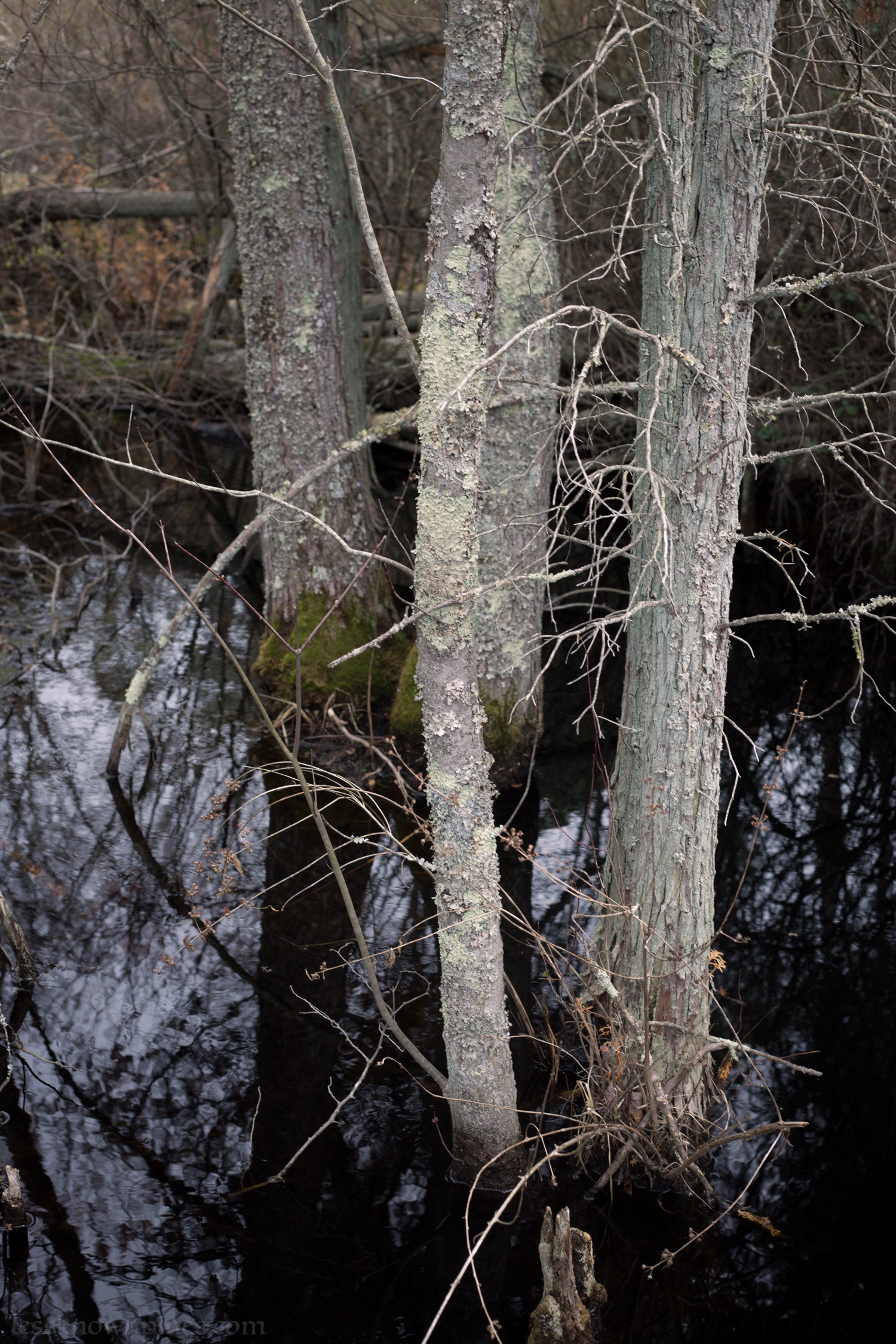 Cedars hydrated by swamp
These cedar trees receive ultra levels of hydration from the swamp and the adjacent lake. This water is then passed on to the rest of its cedar forest.