


Unique Cedar Irrigation Features
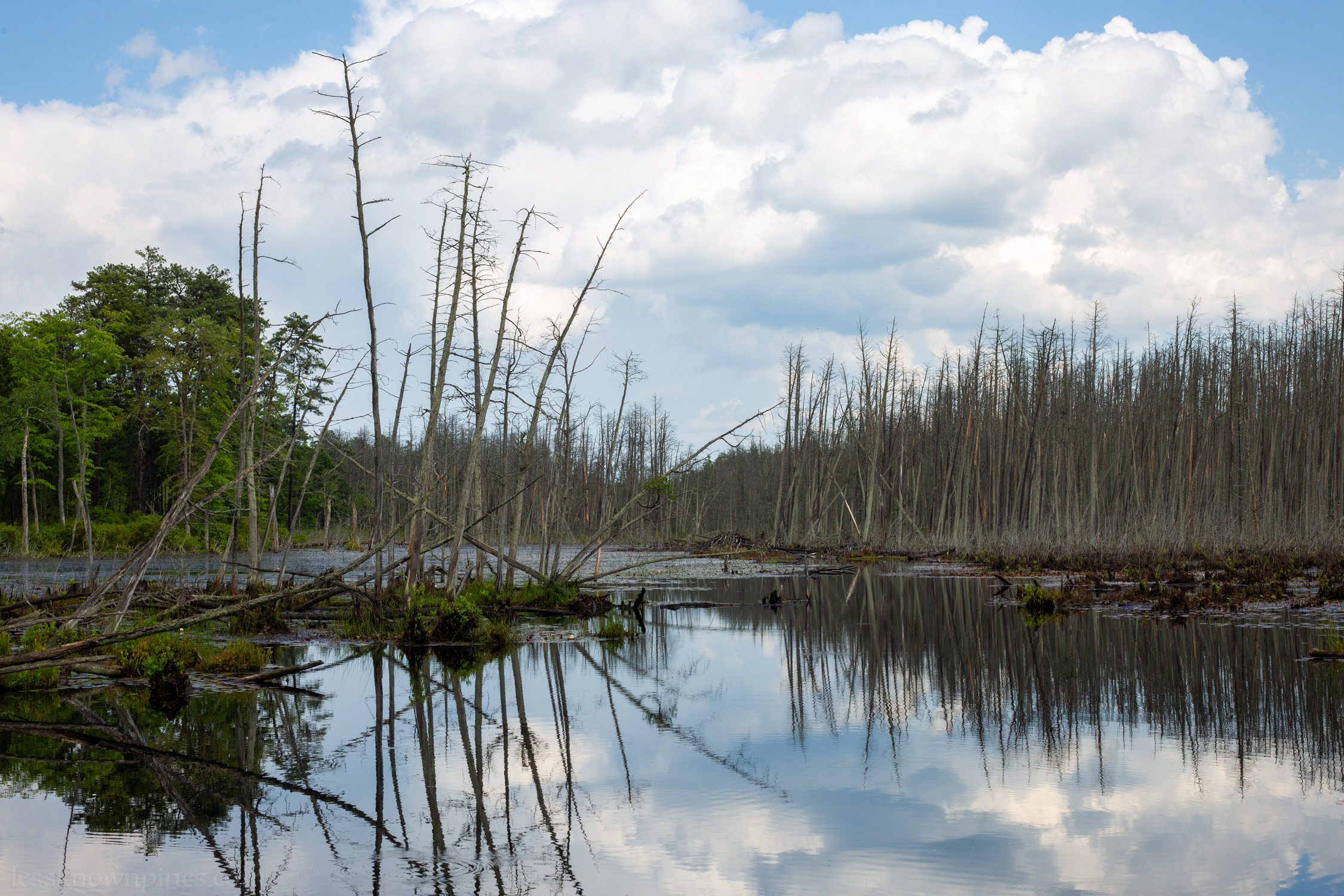
A system carries and distributes water throughout the cedar forests. Many natural and human-made landforms collect and redistribute water in unique ways.
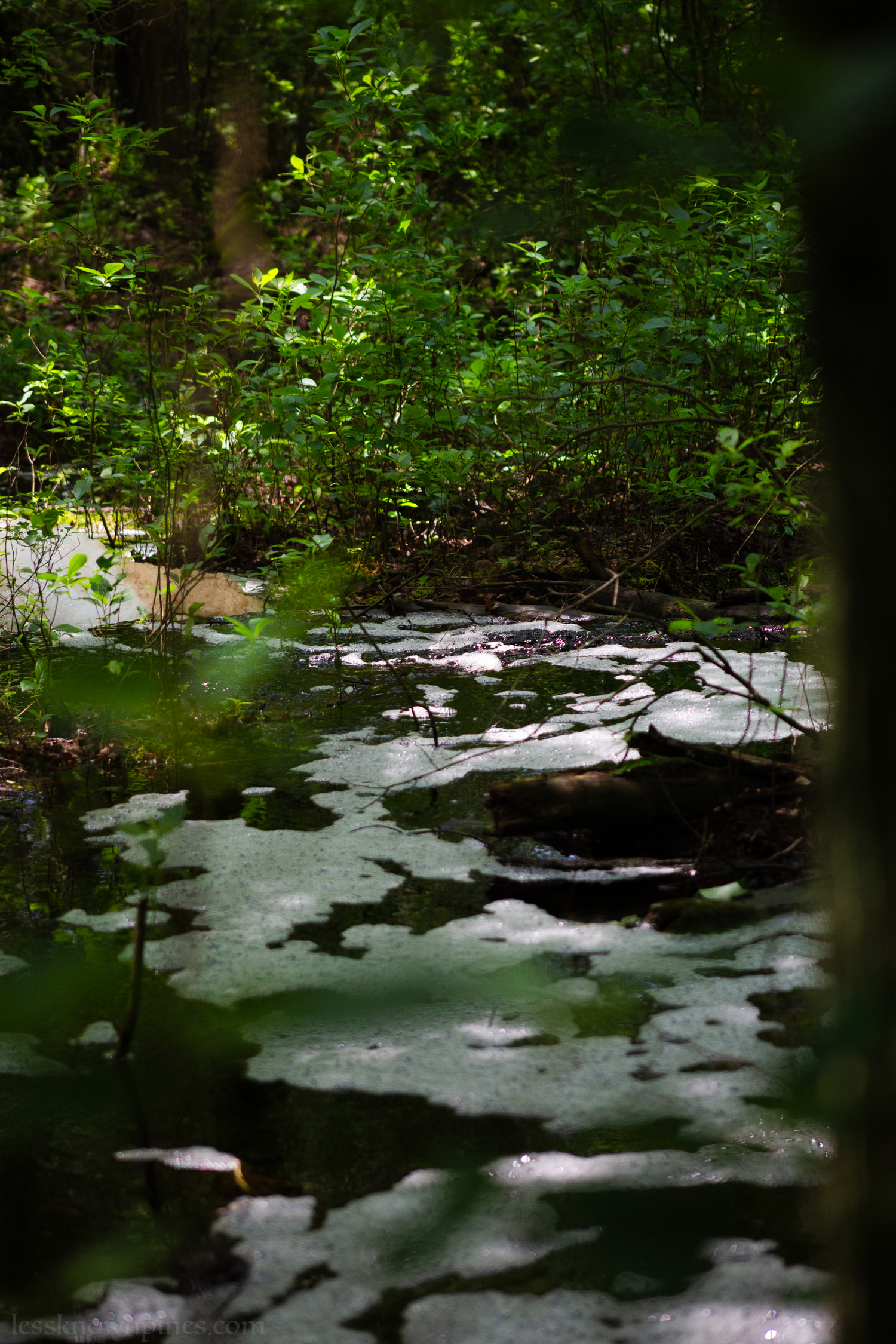
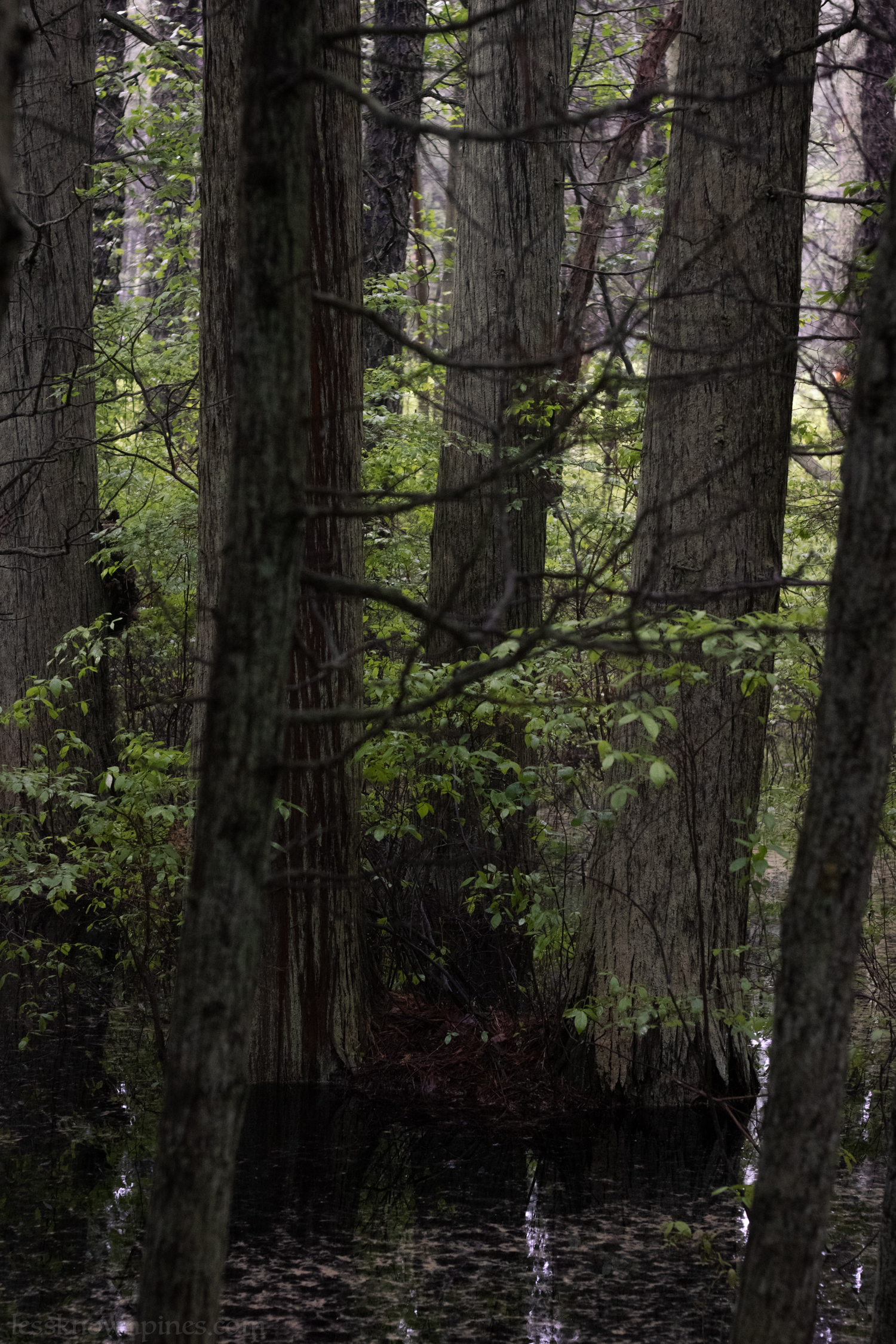
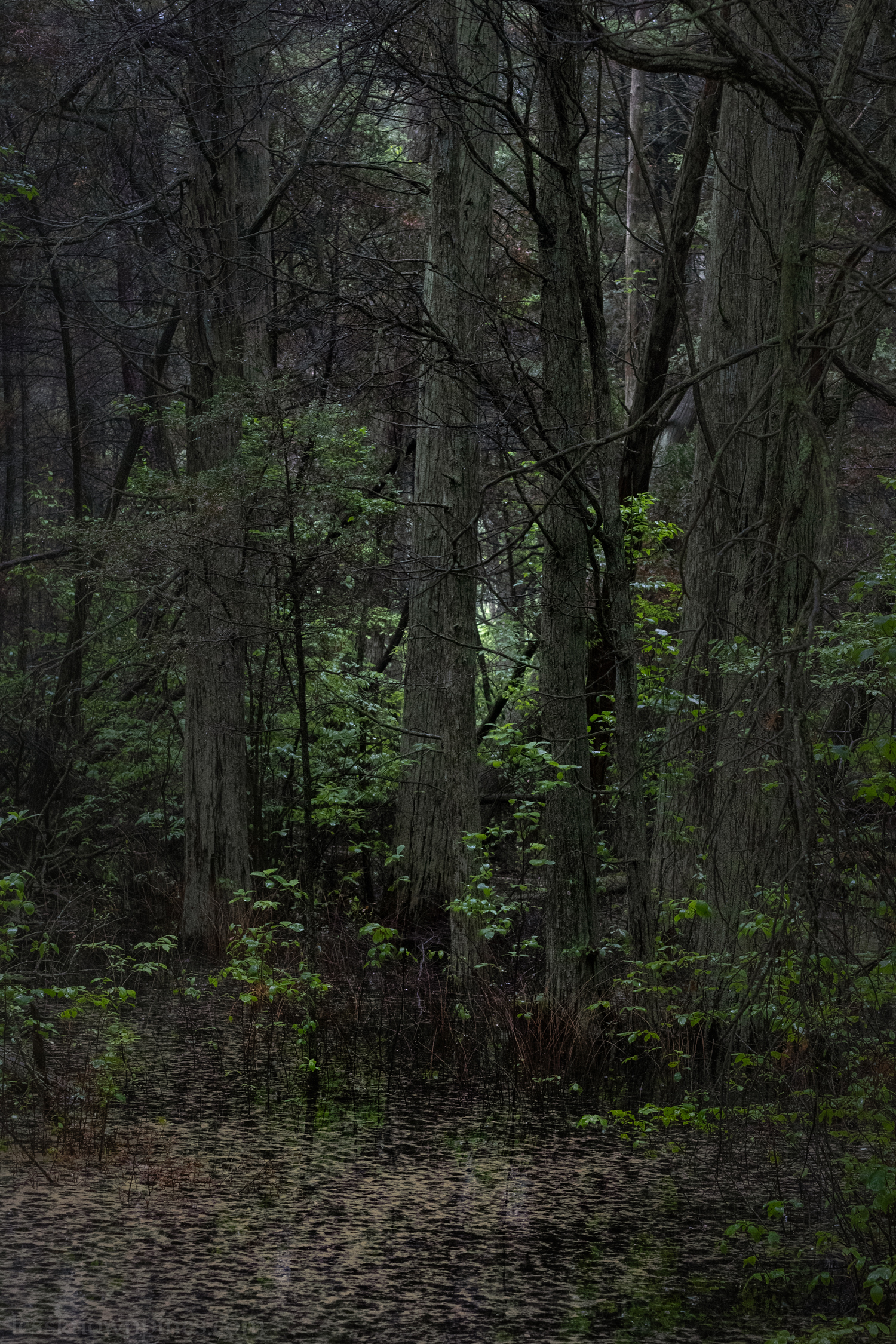
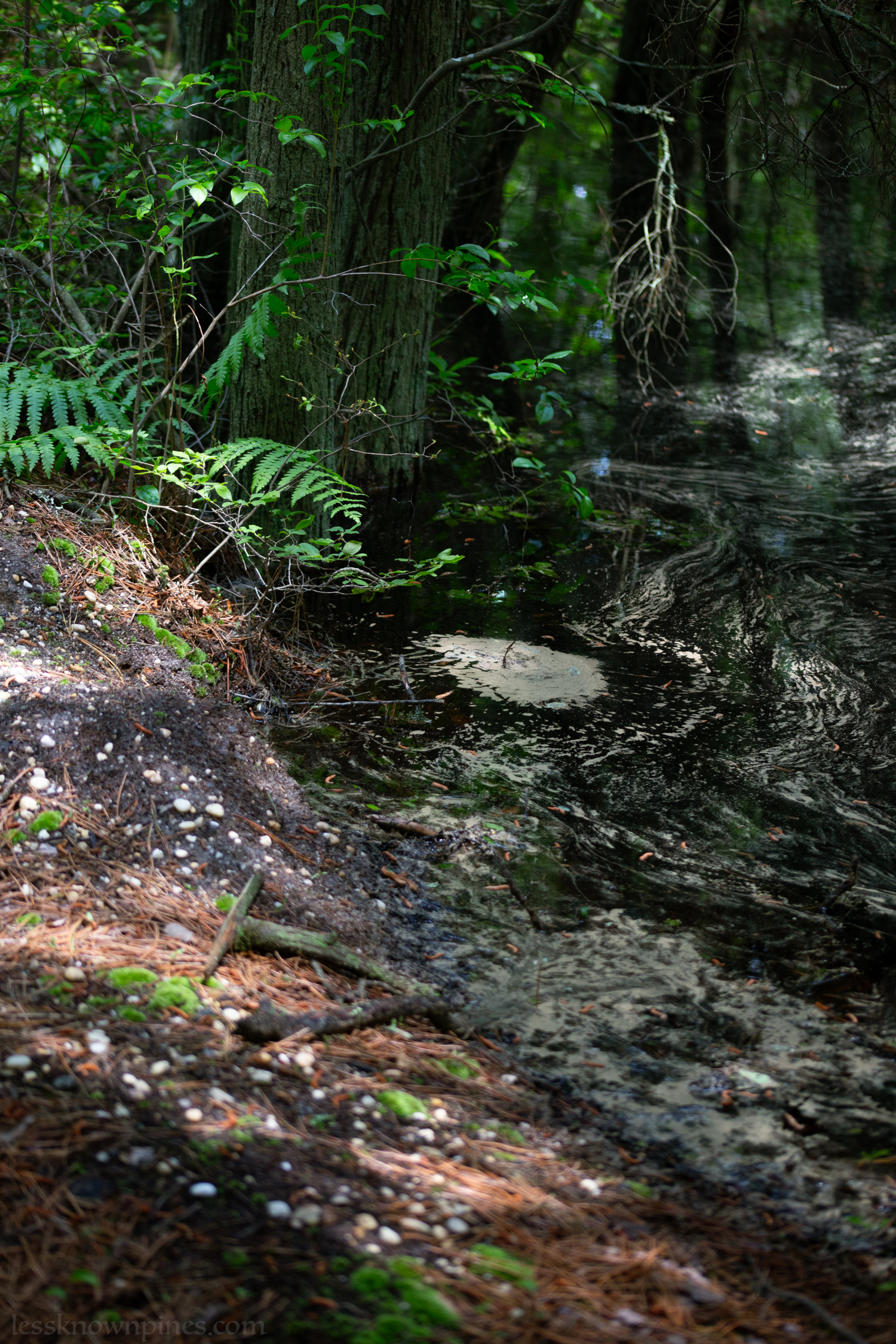
It begins at the top of a hill. Many of those hills have an elevation of over 150 feet. Water rushes downwards and collects foam in the process. Water also collects at the top of the peak before moving. Pollen can sometimes cover the highland reservoir.
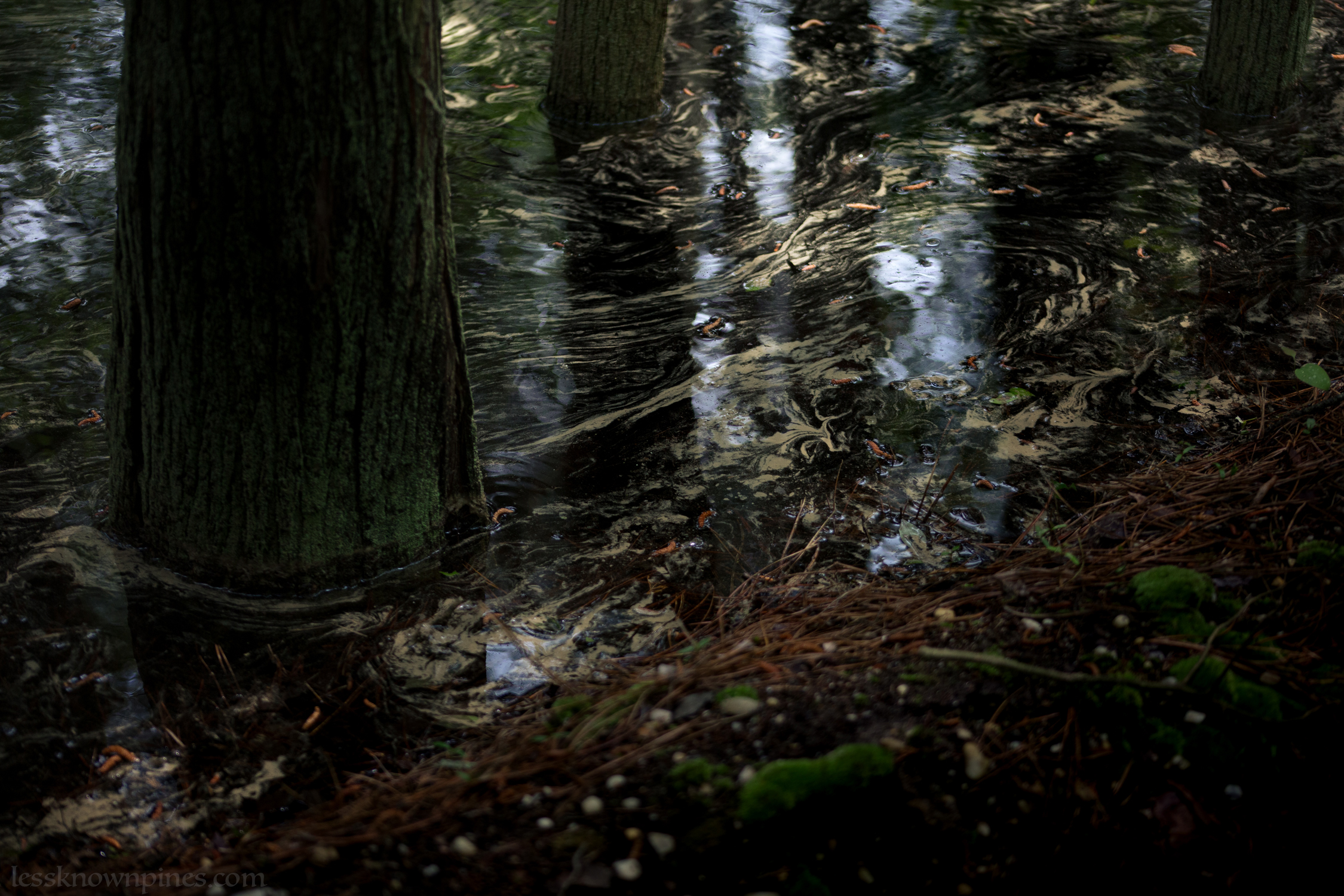 Pollen shows how trees refract moving water on a highland swamp
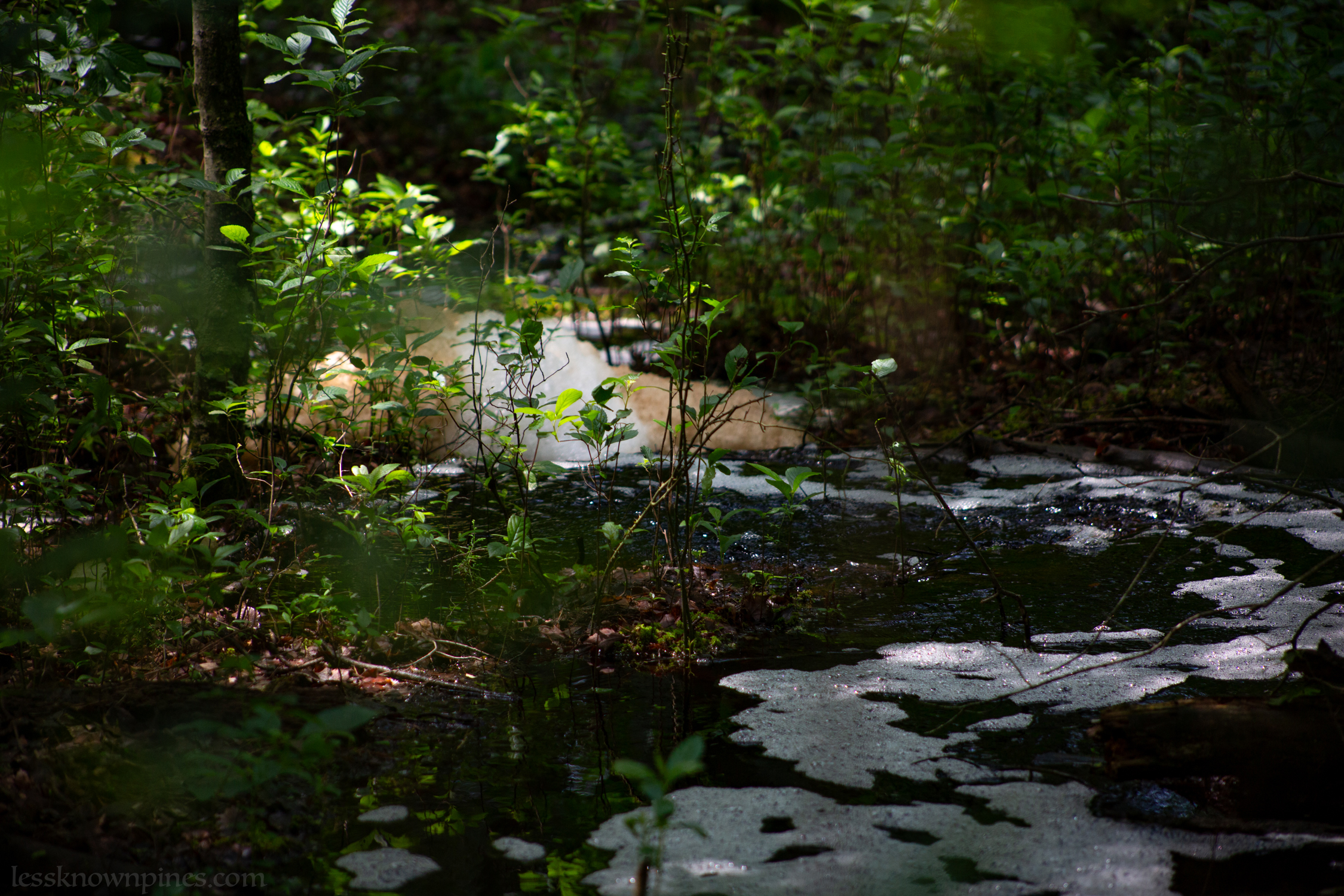 Water begins to stream off the hill
Pollen on the water can illustrate how water flows, bounces off barriers, and the direction it's moving. Notice how objects such as rocks, trees, and land influence the flow of water and the pollen on the surface.
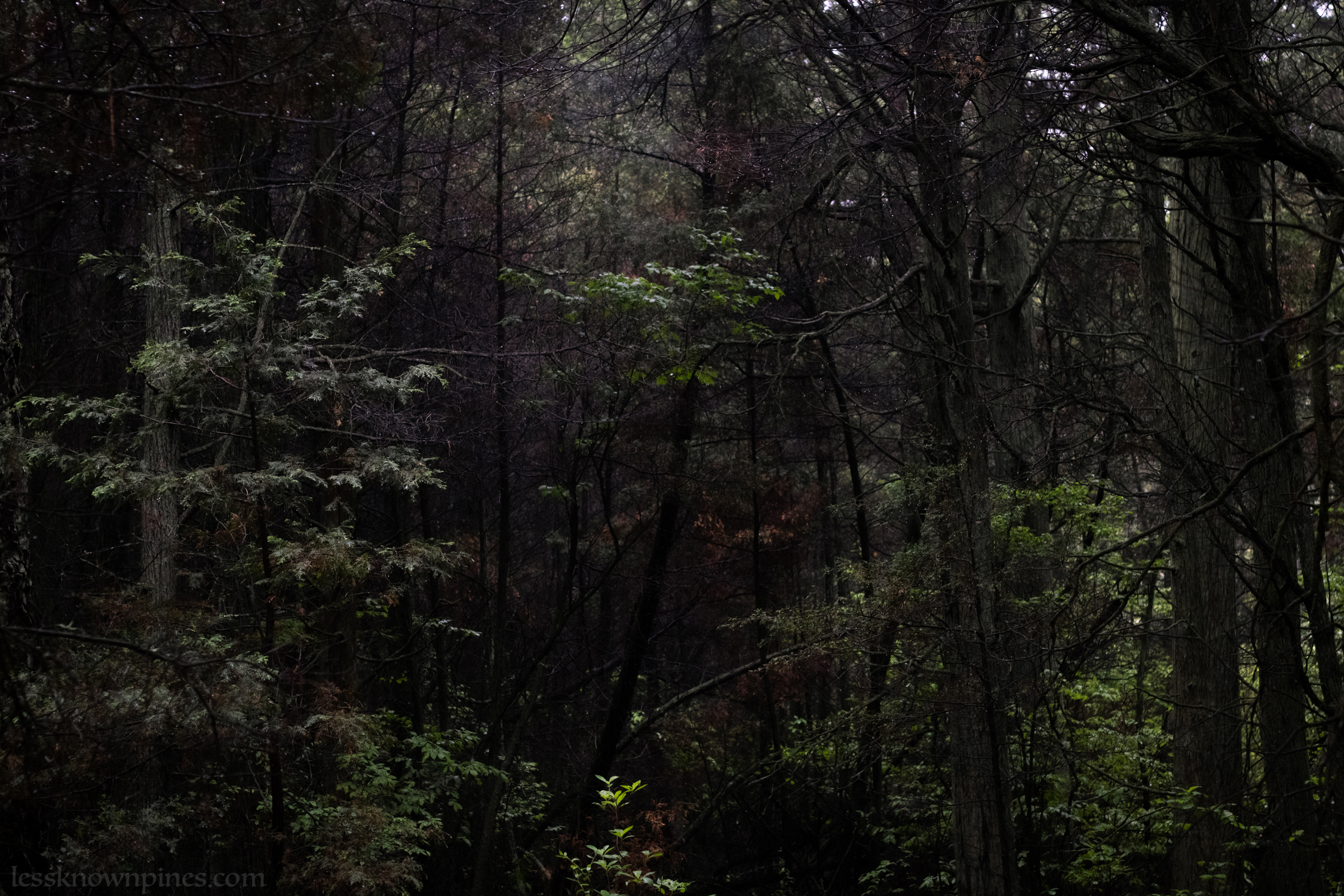
Dense Cedar Forests
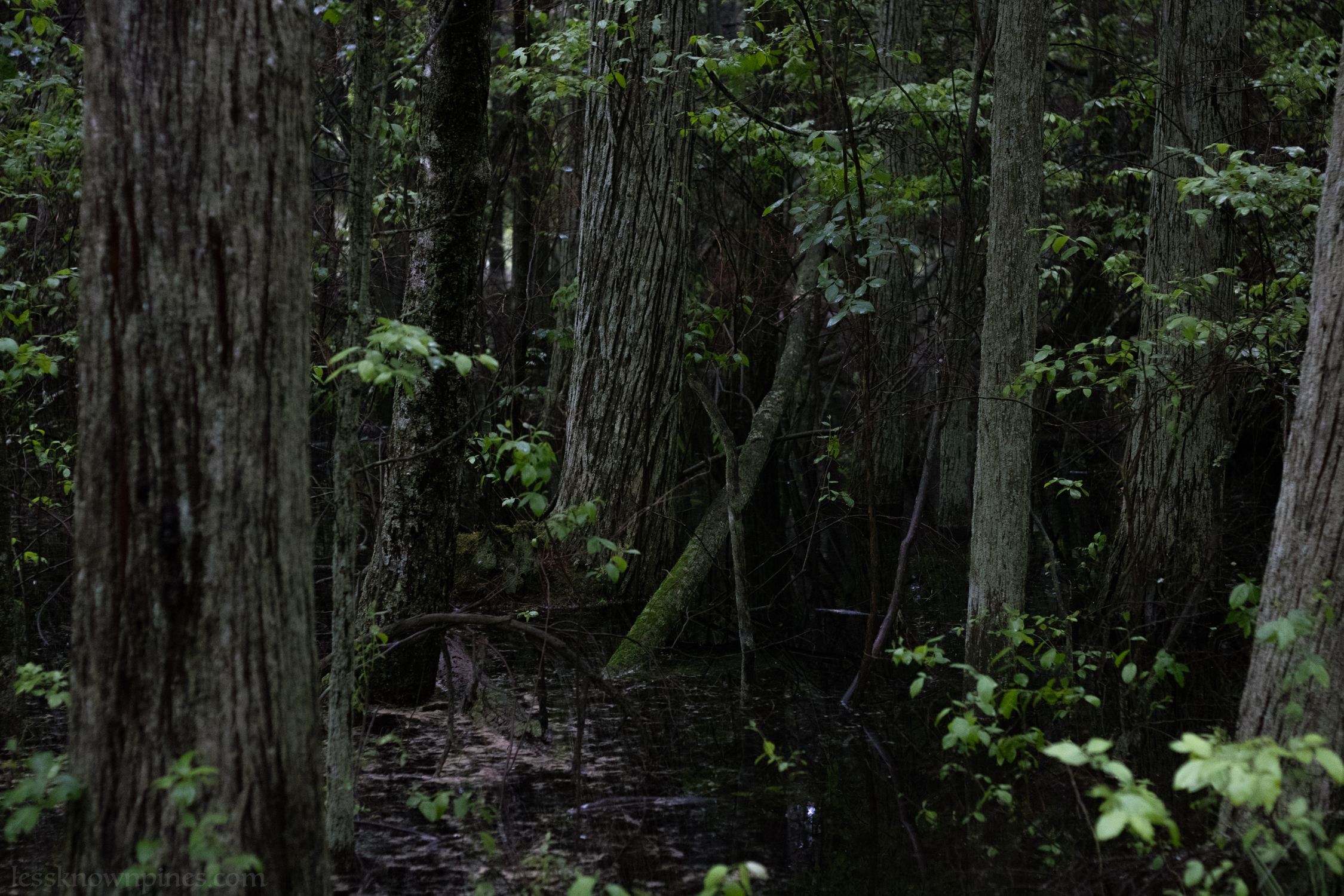
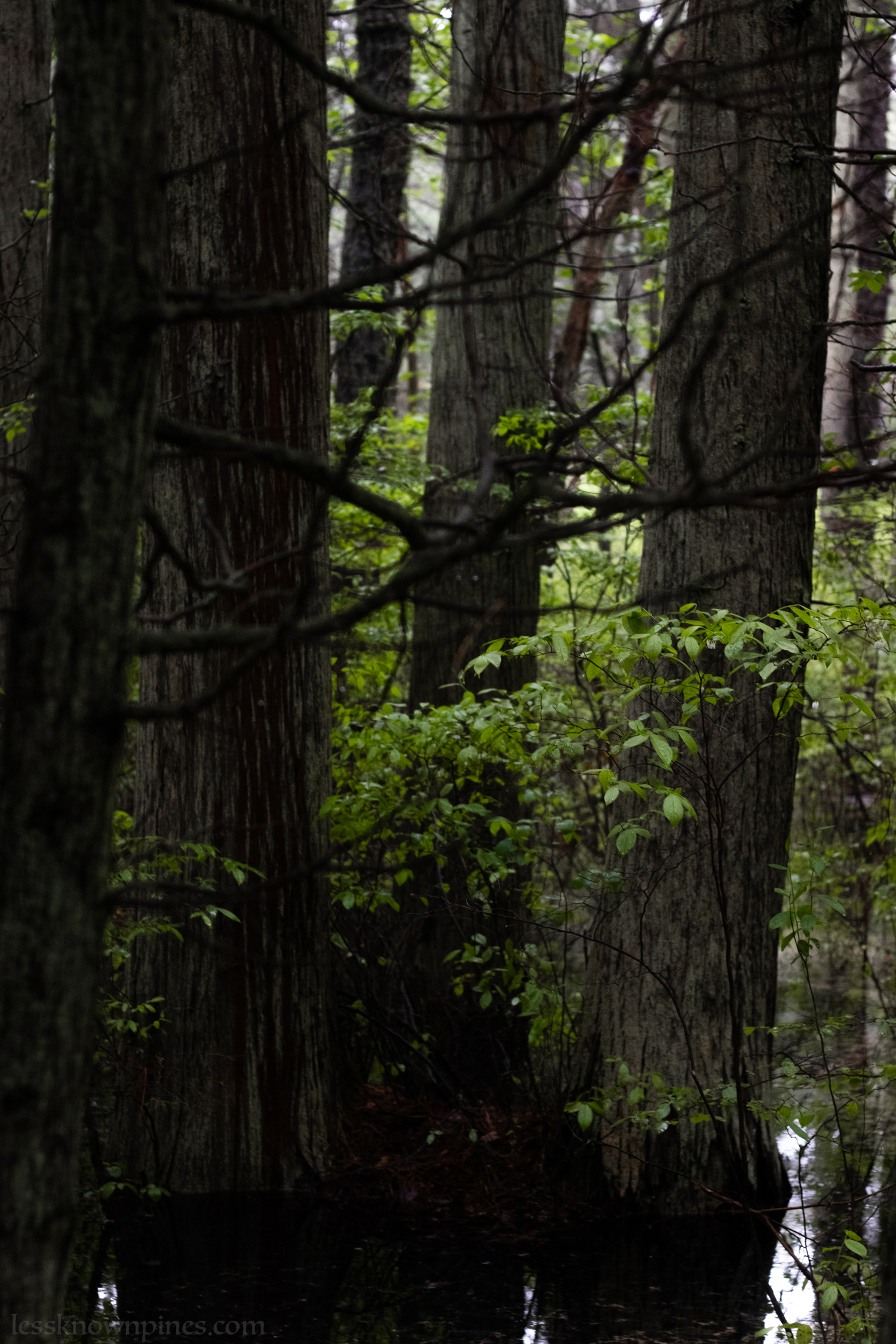
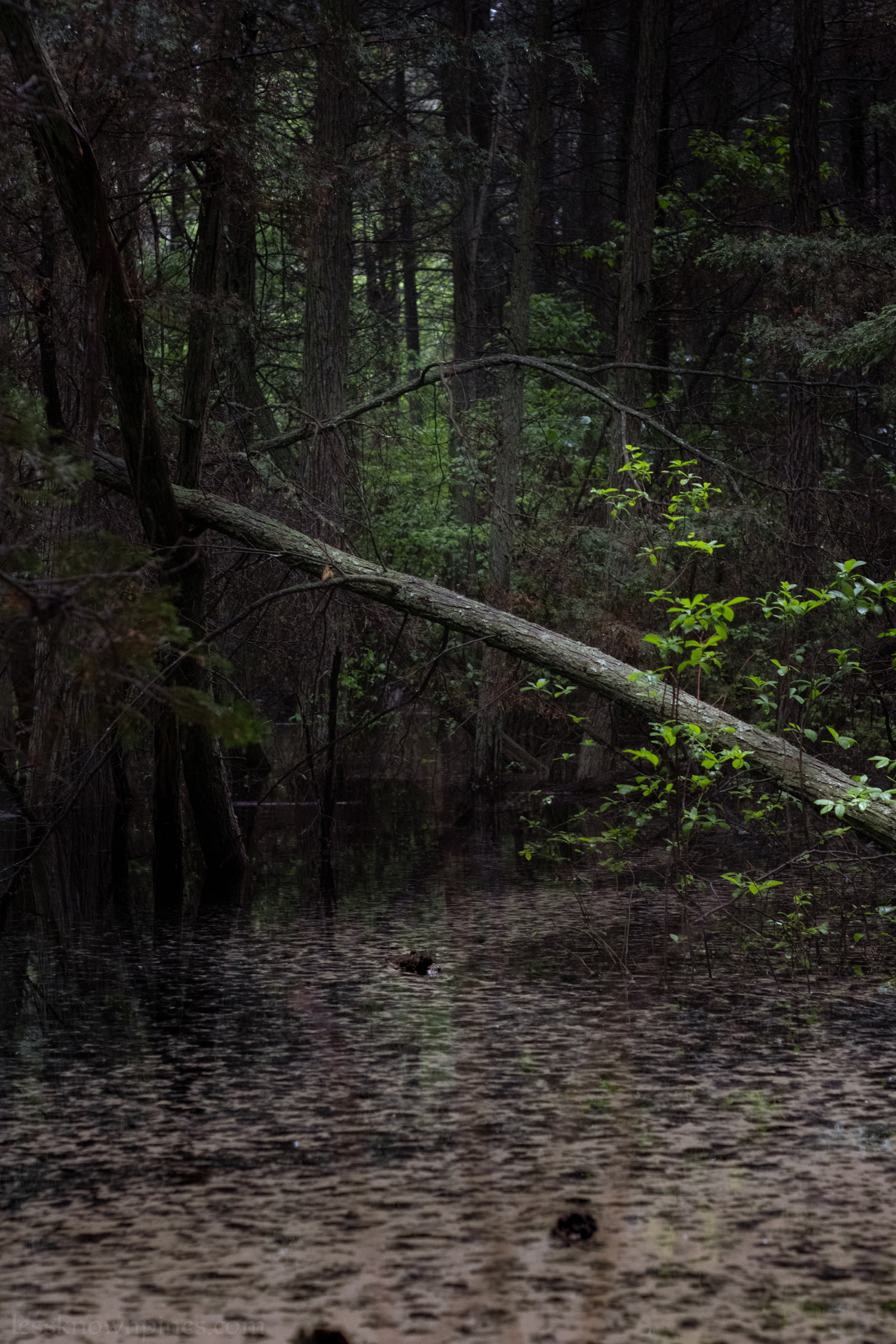
All of those water irrigation sources the cedar forest and its ecosystems. This creates a dark and very dense forest.
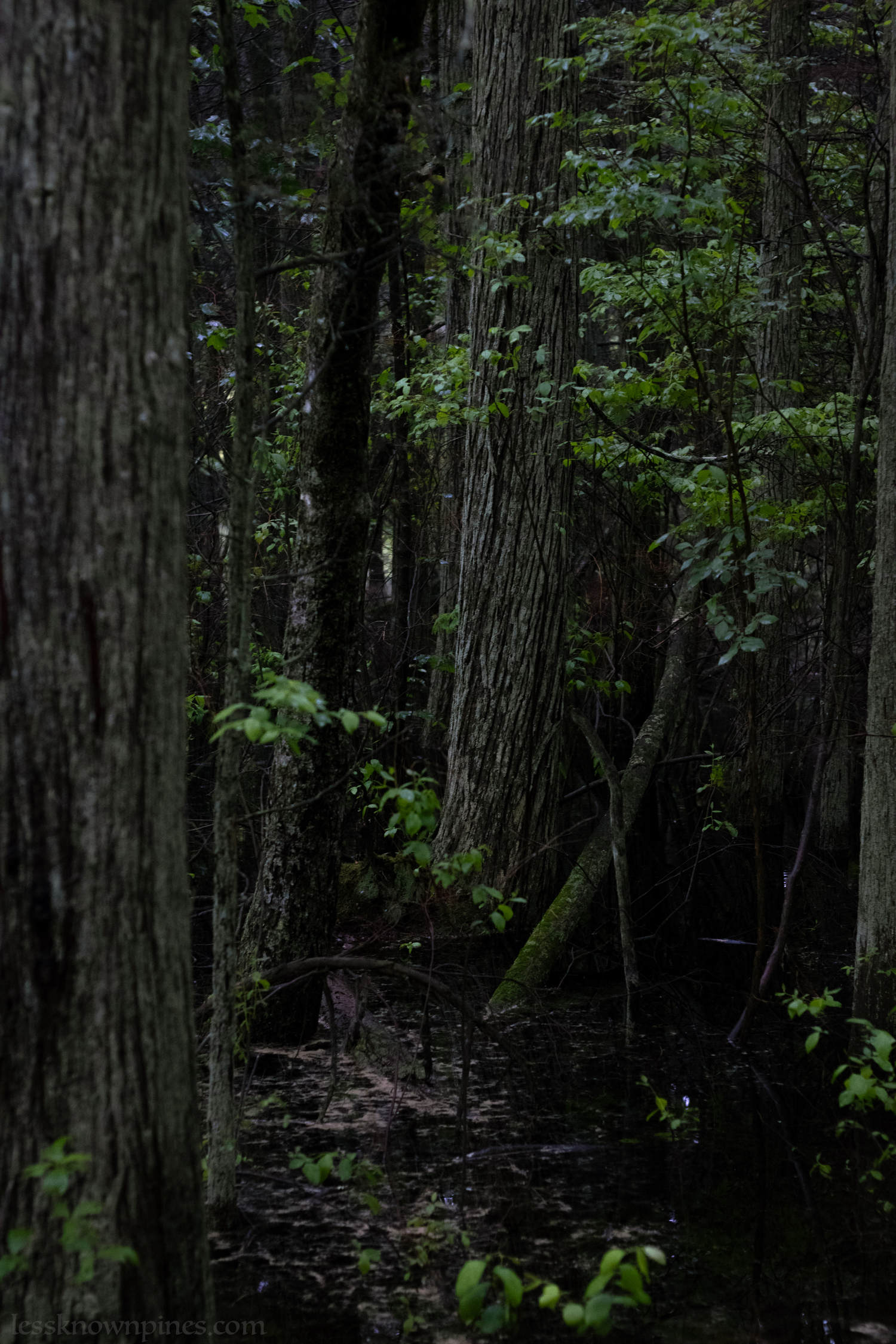
Dead Cedar Forests
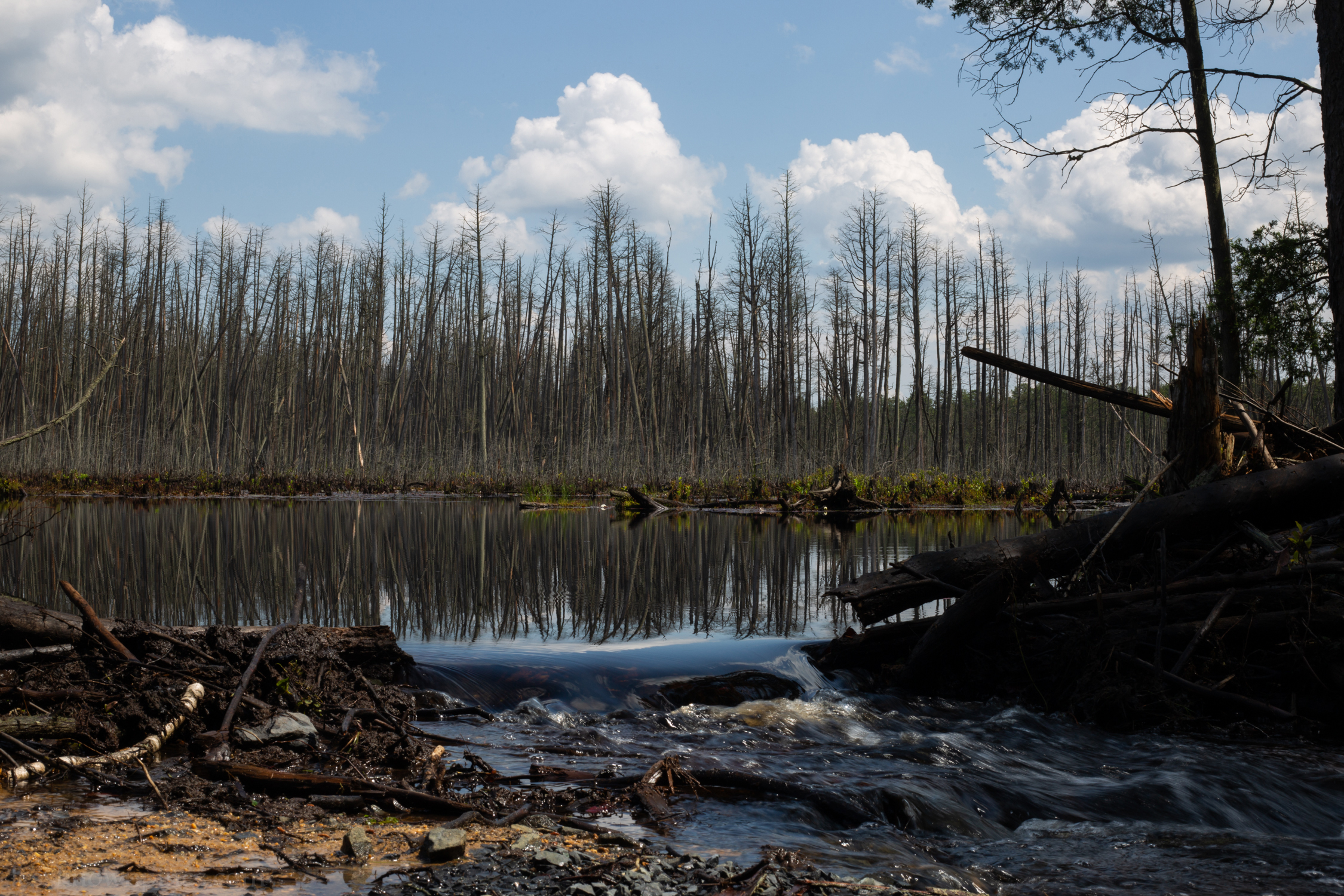
Despite the water flow, many cedar forests are still comprised of dead trees. Some of these forests are dying forests that still contain living trees, but also have many dead ones. When a cedar tree falls over with its roots intact, the hole left behind can contribute to the formation of a cedar pond. Could this be a way for new ponds to form, helping to build new cedar forests? Is this how the ecosystem recycles? If so, would the next new cedar forest shift in proximity?
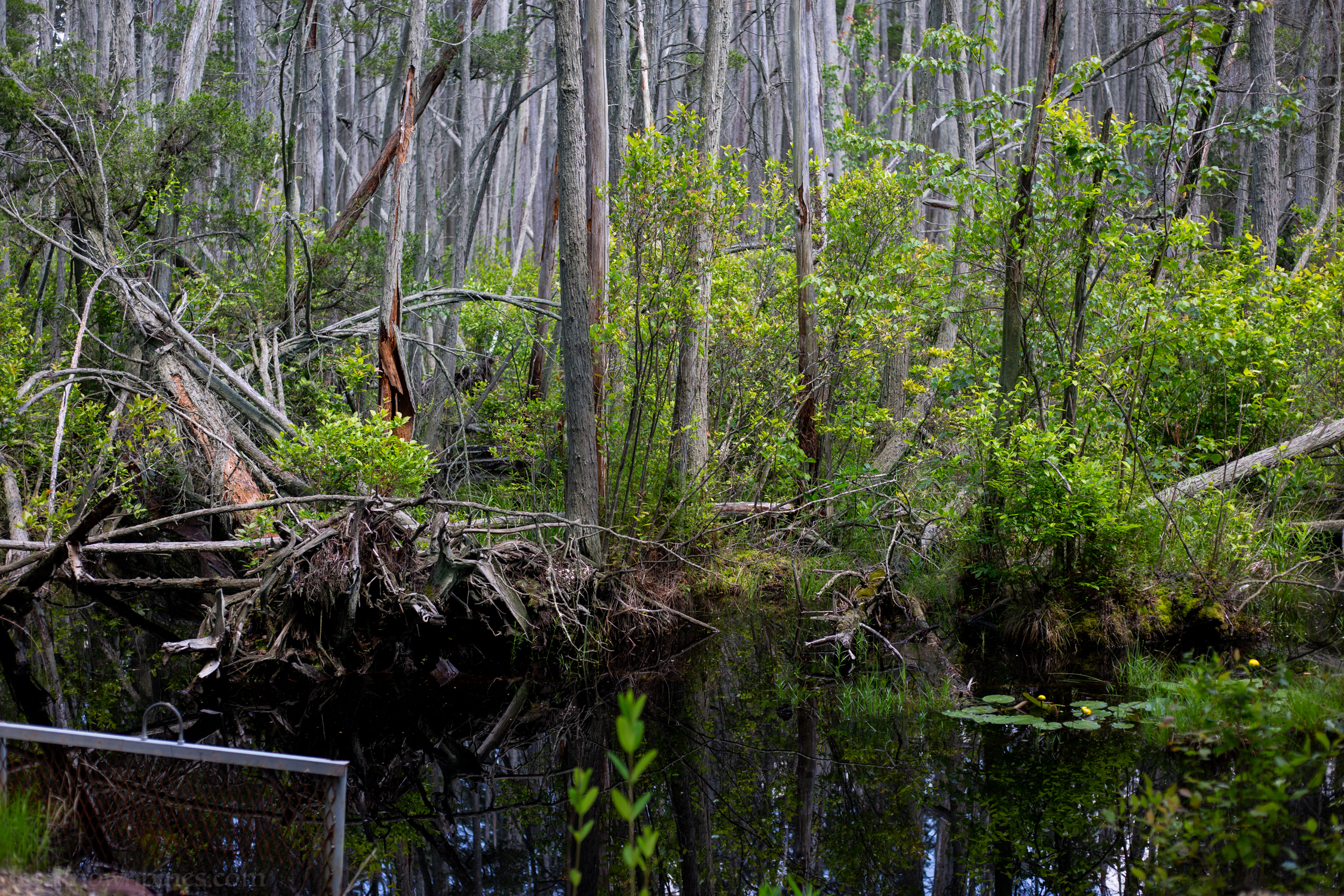
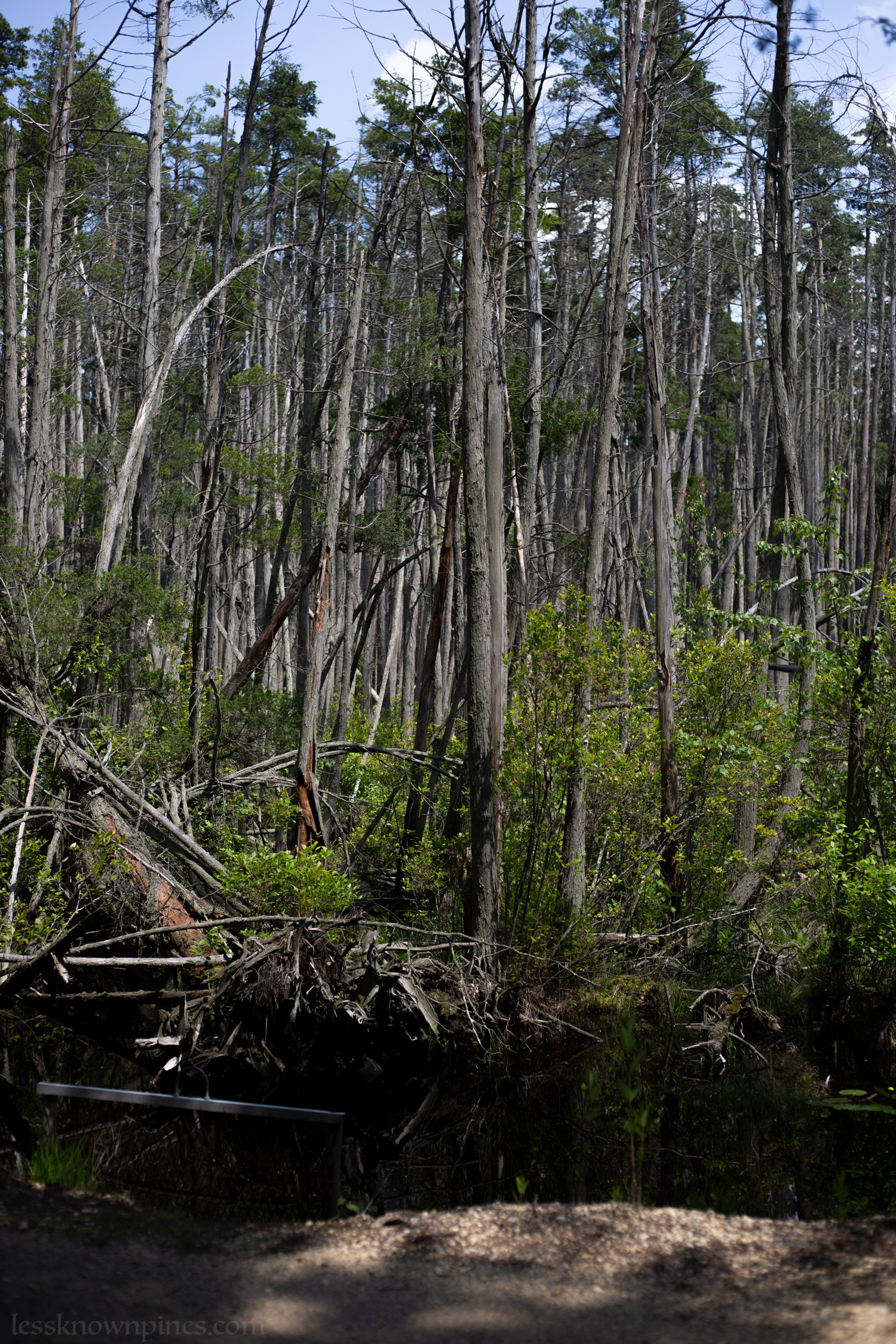 Dead yet dense, vast, and still standing
Water Transfering
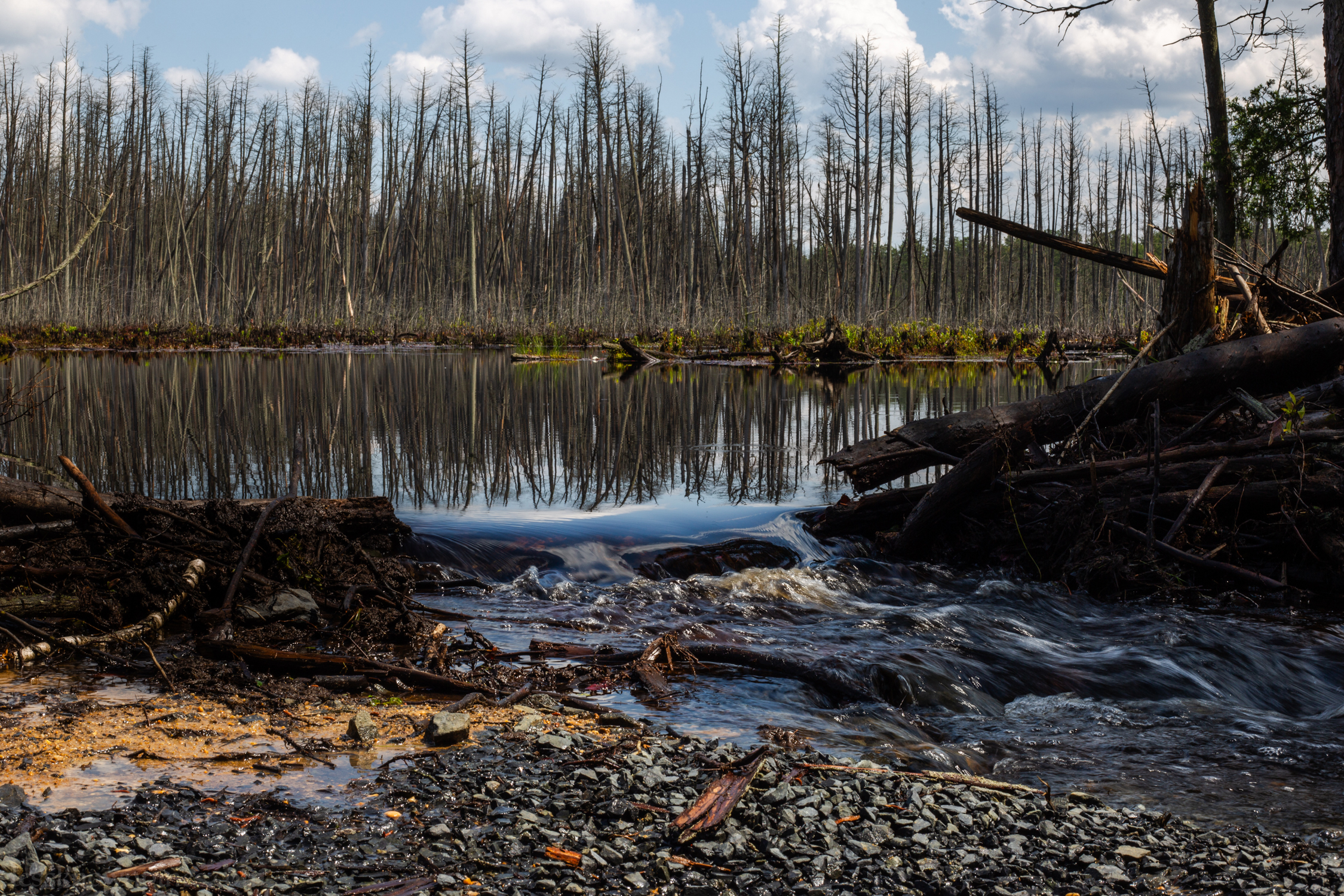
Water from one pond may be transferred to another nearby pond at a slightly lower elevation.
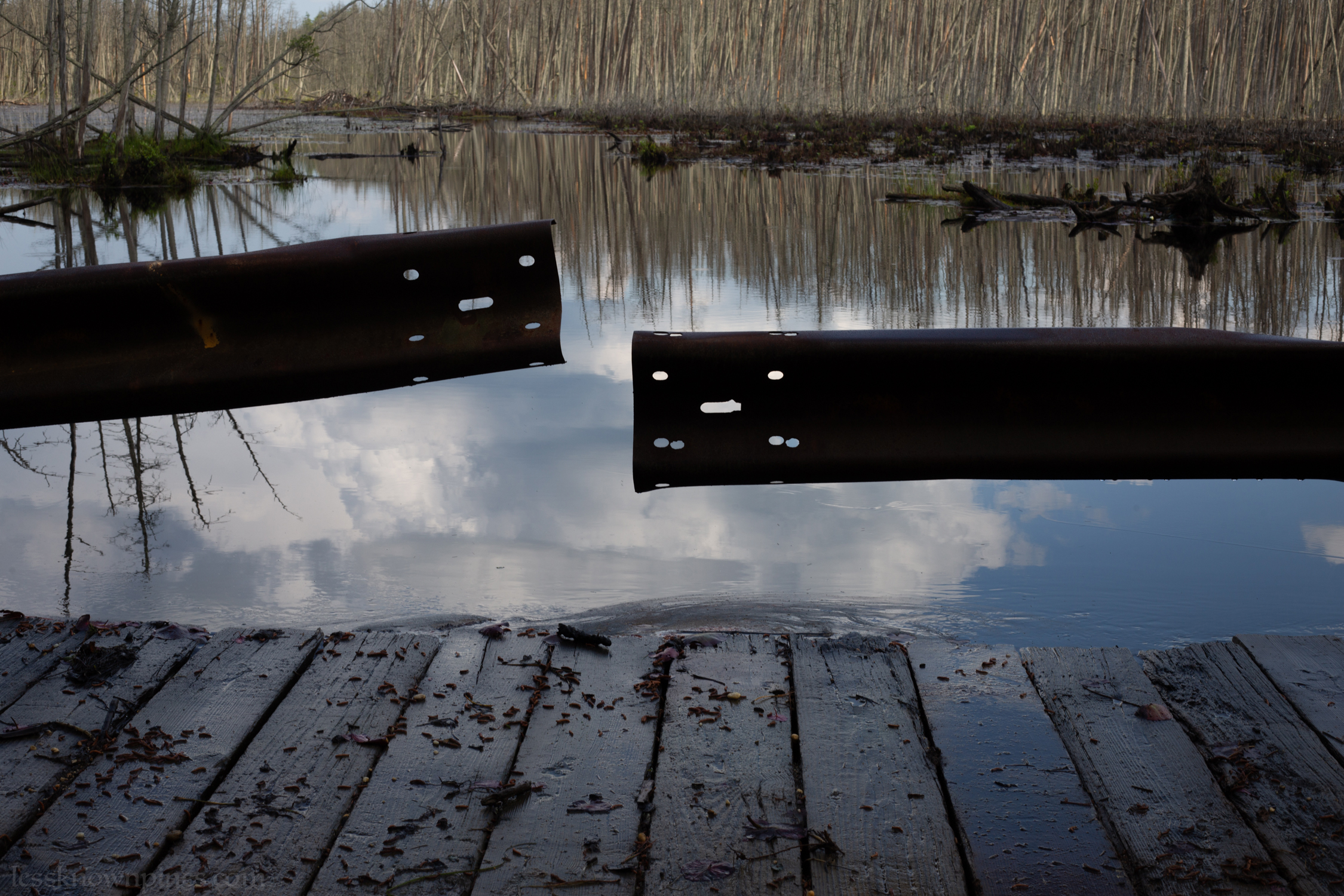
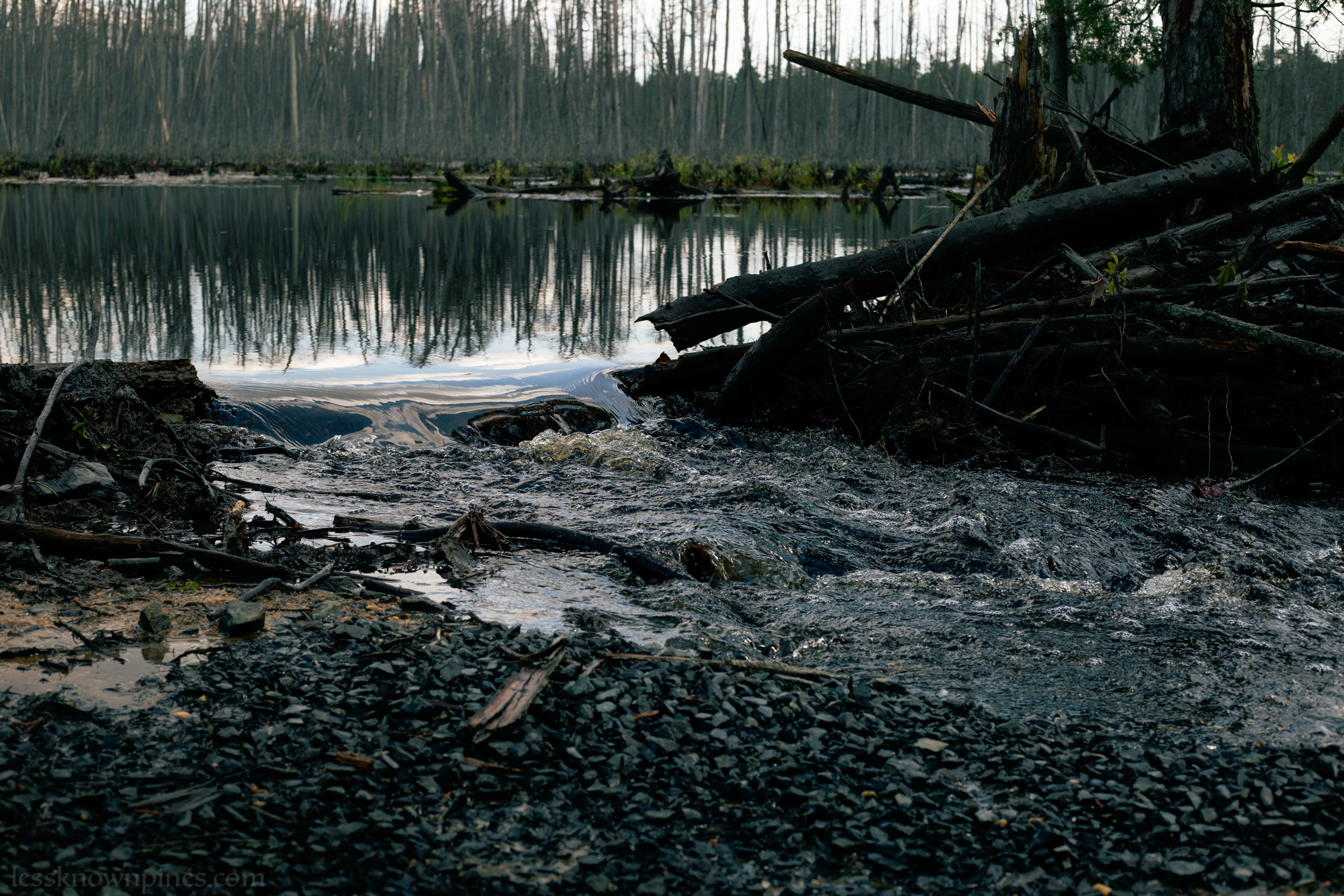
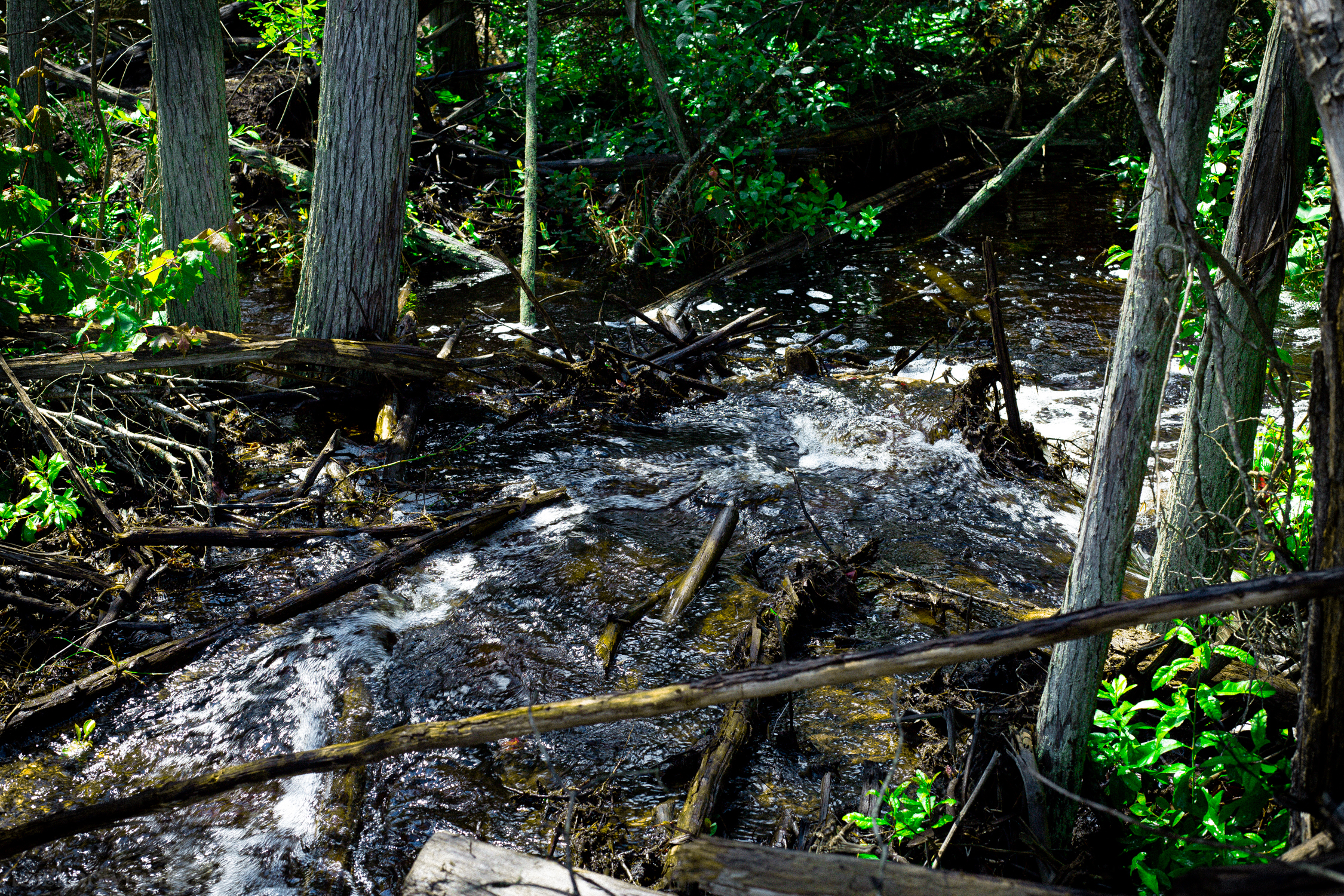
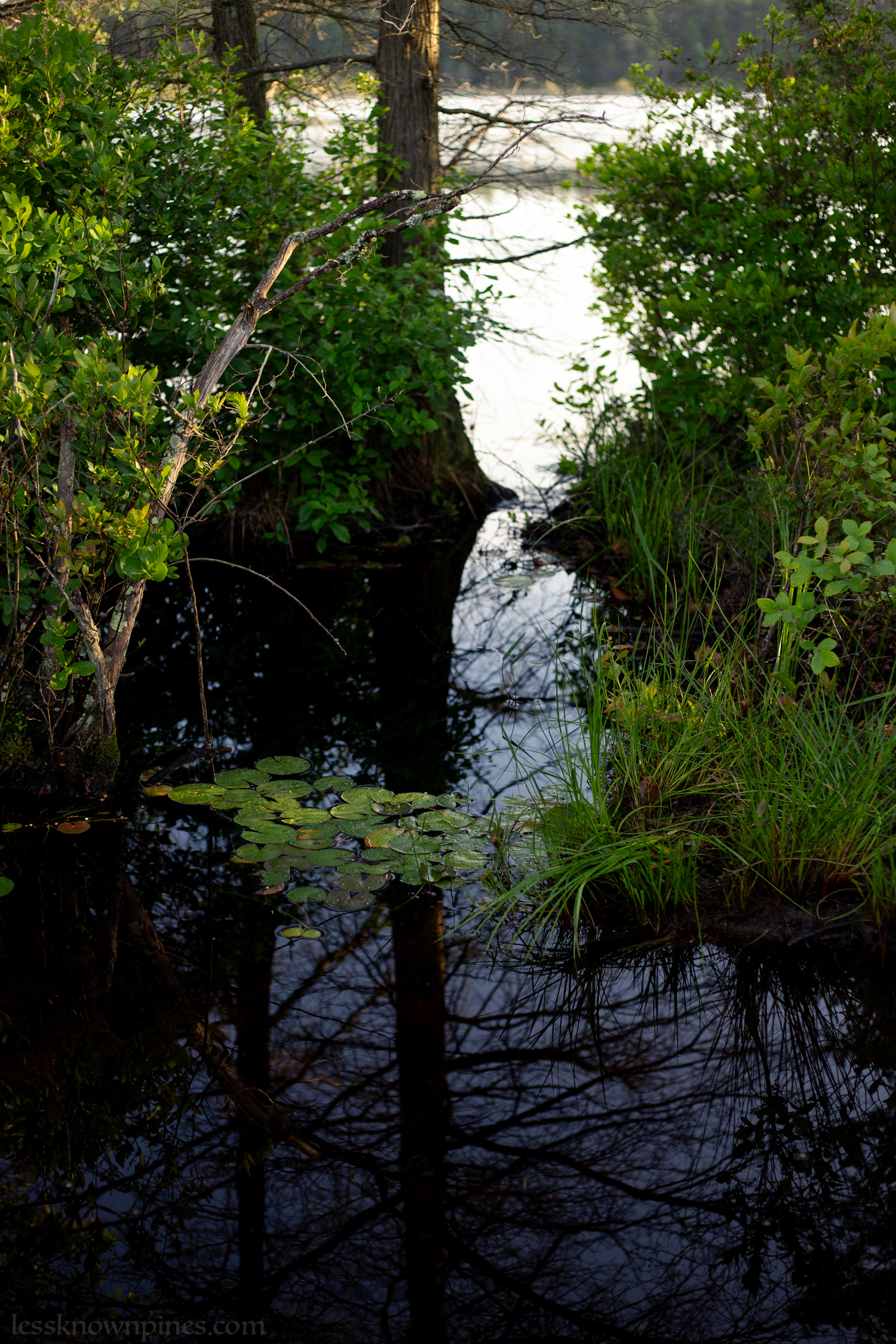
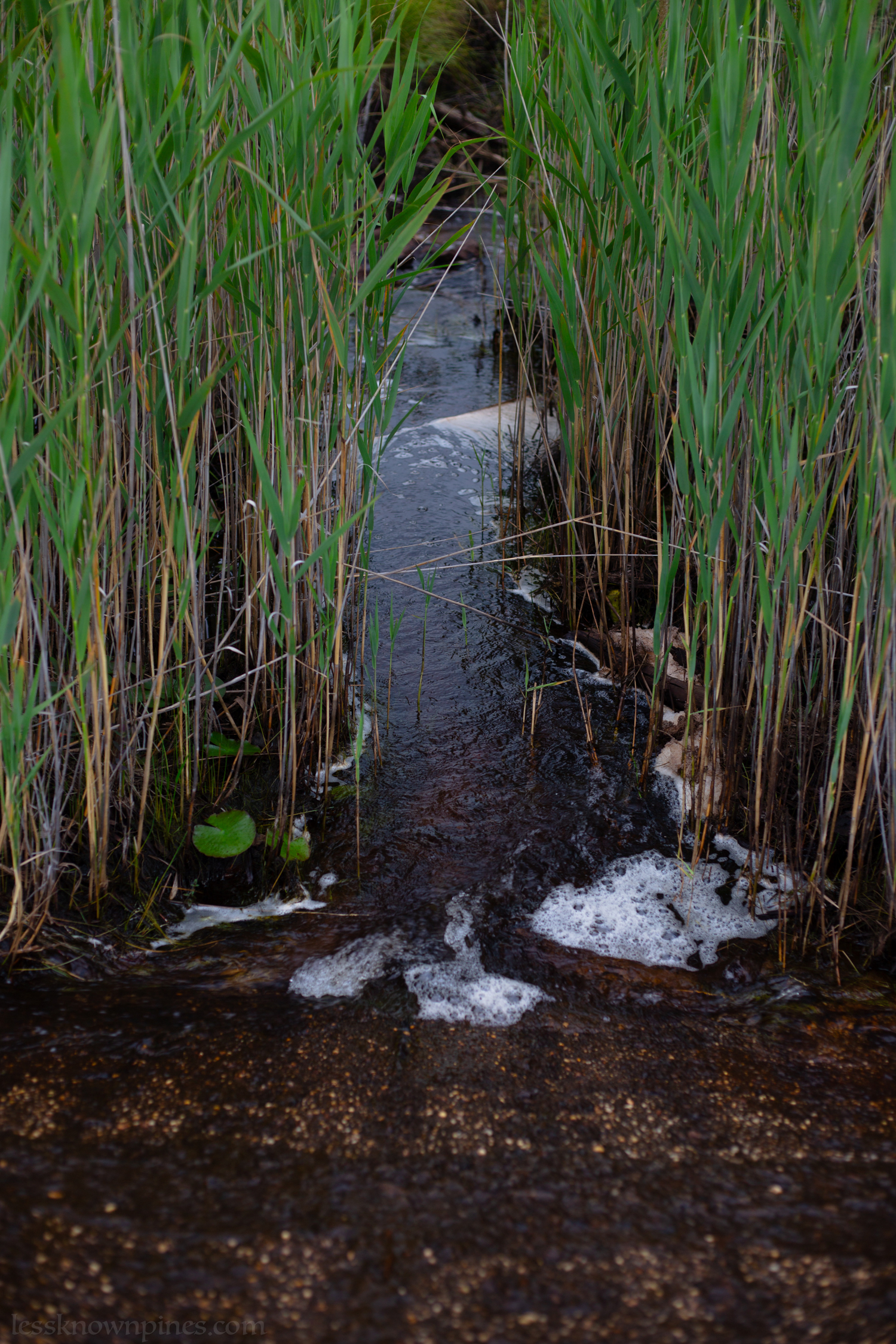
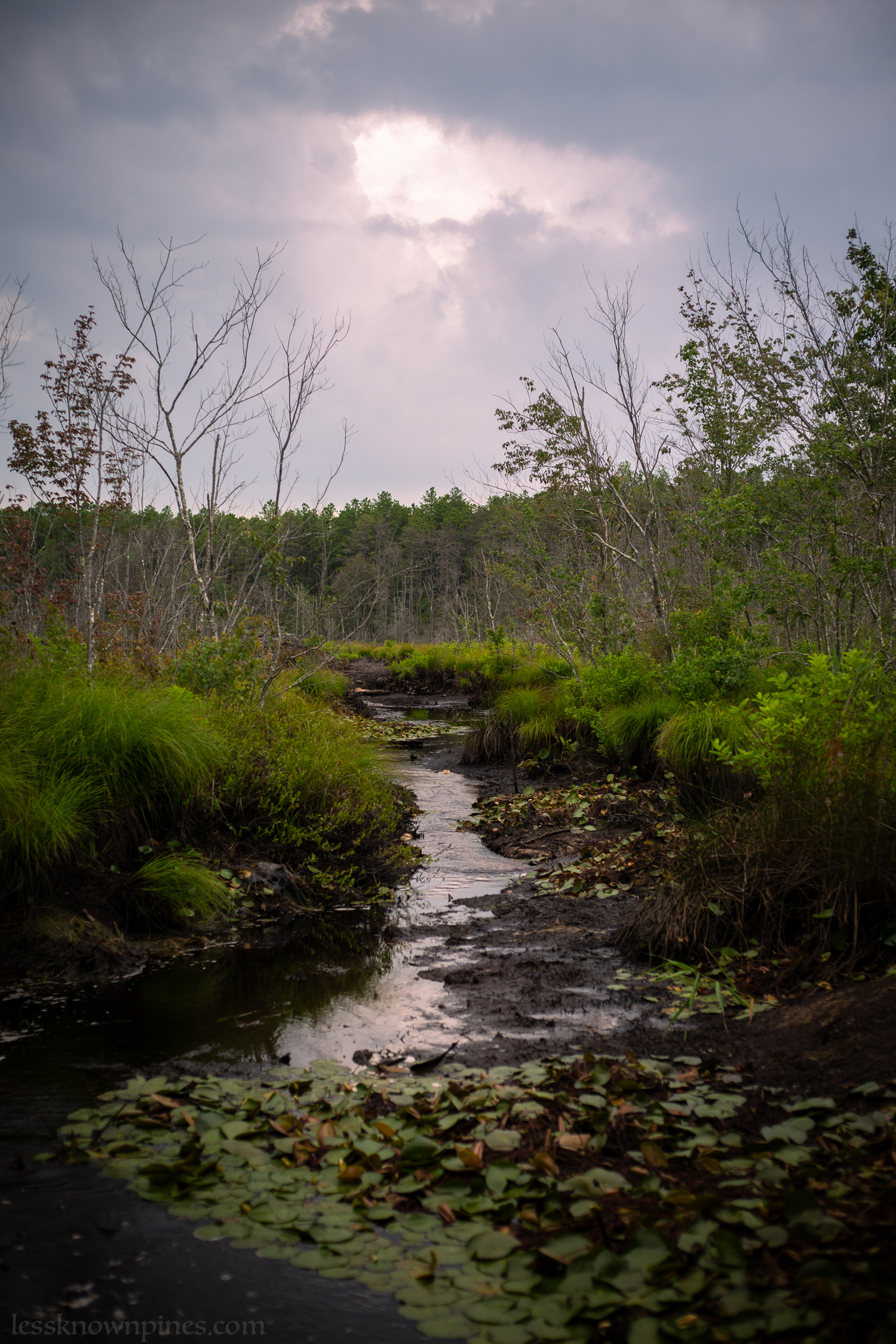
Water is then channeled and redistributed.
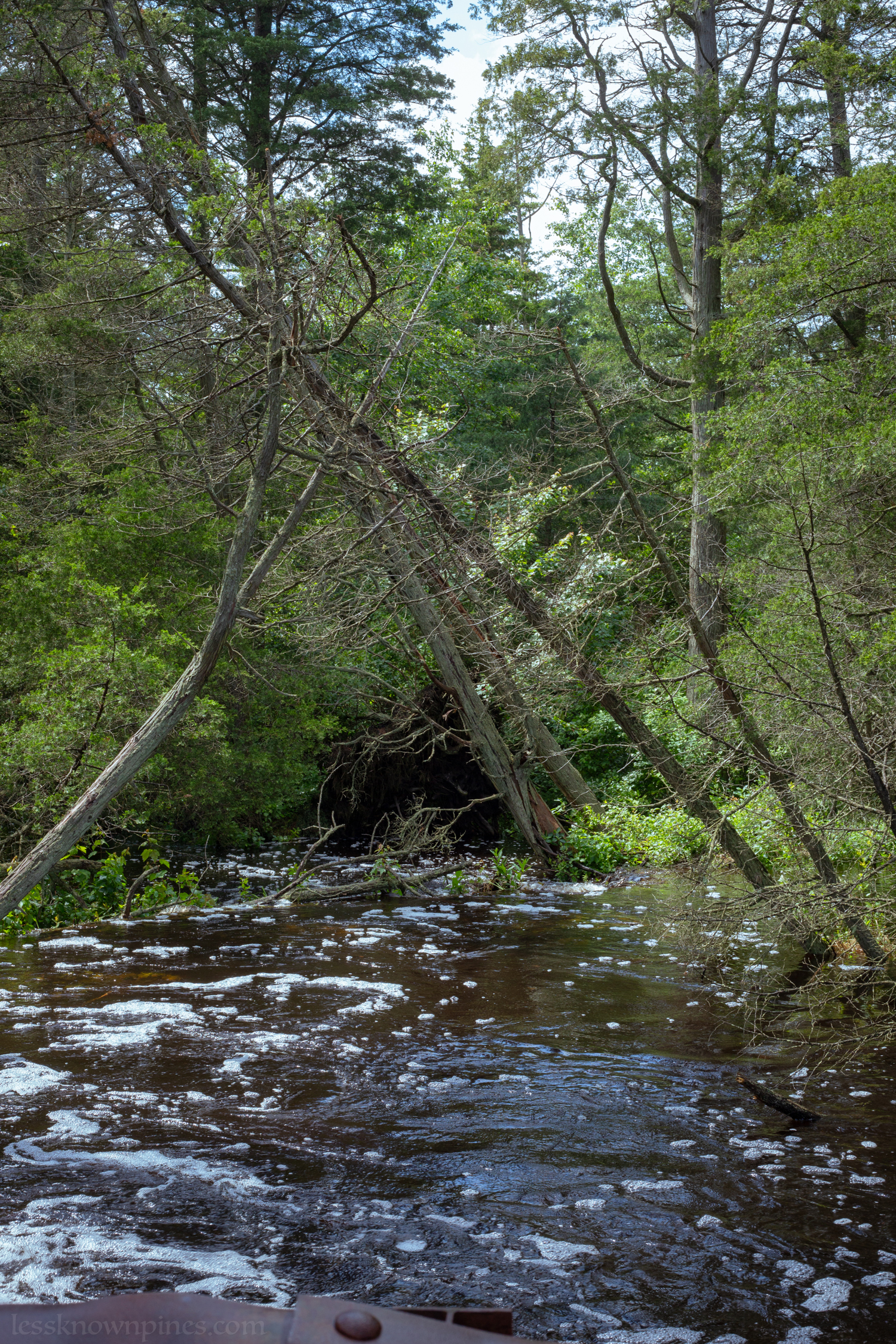 Water collects before heading to an unknown cave of cedar trees
Rushing water heads to the unknown.
Man-Made Ponds
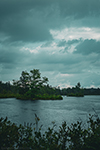
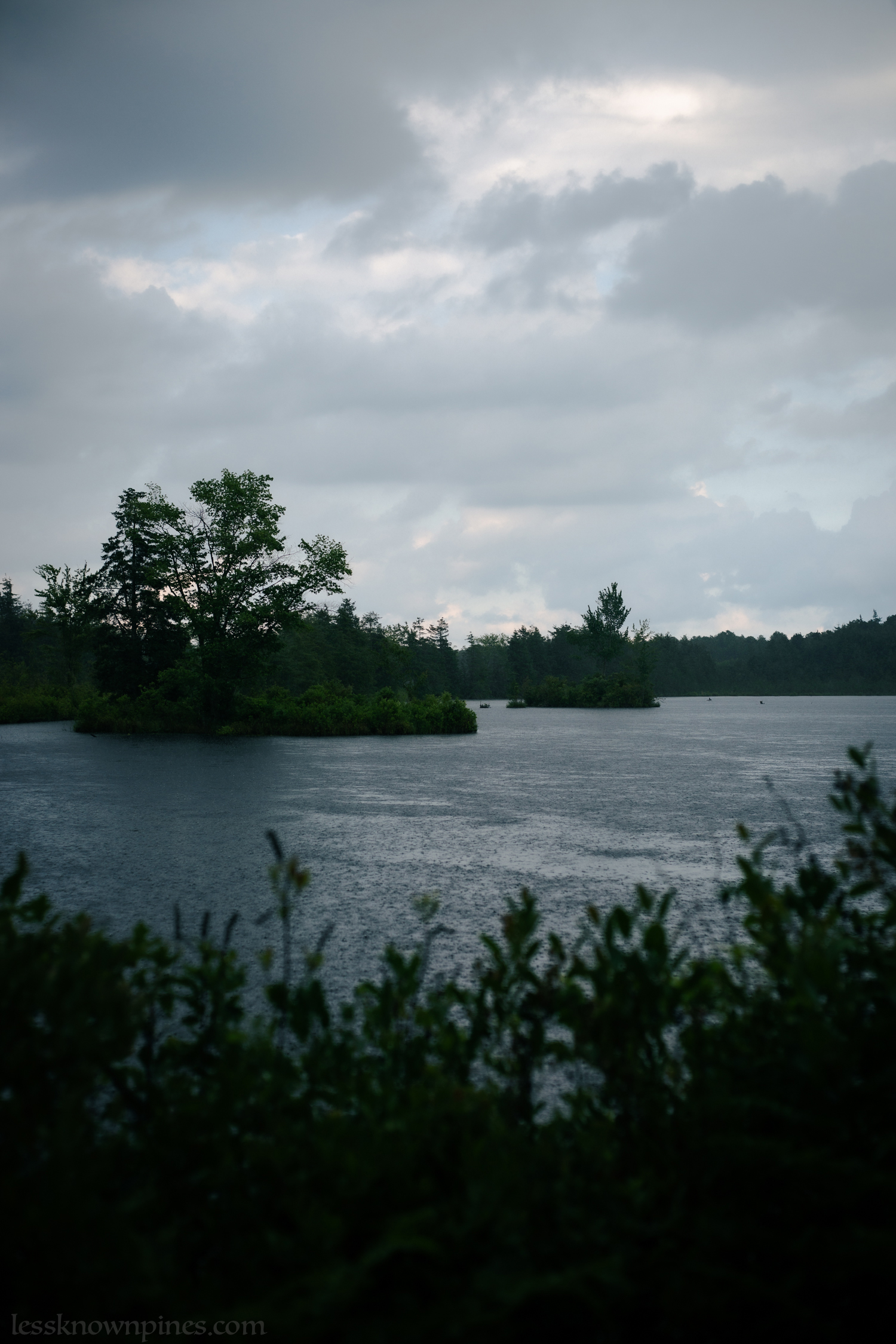
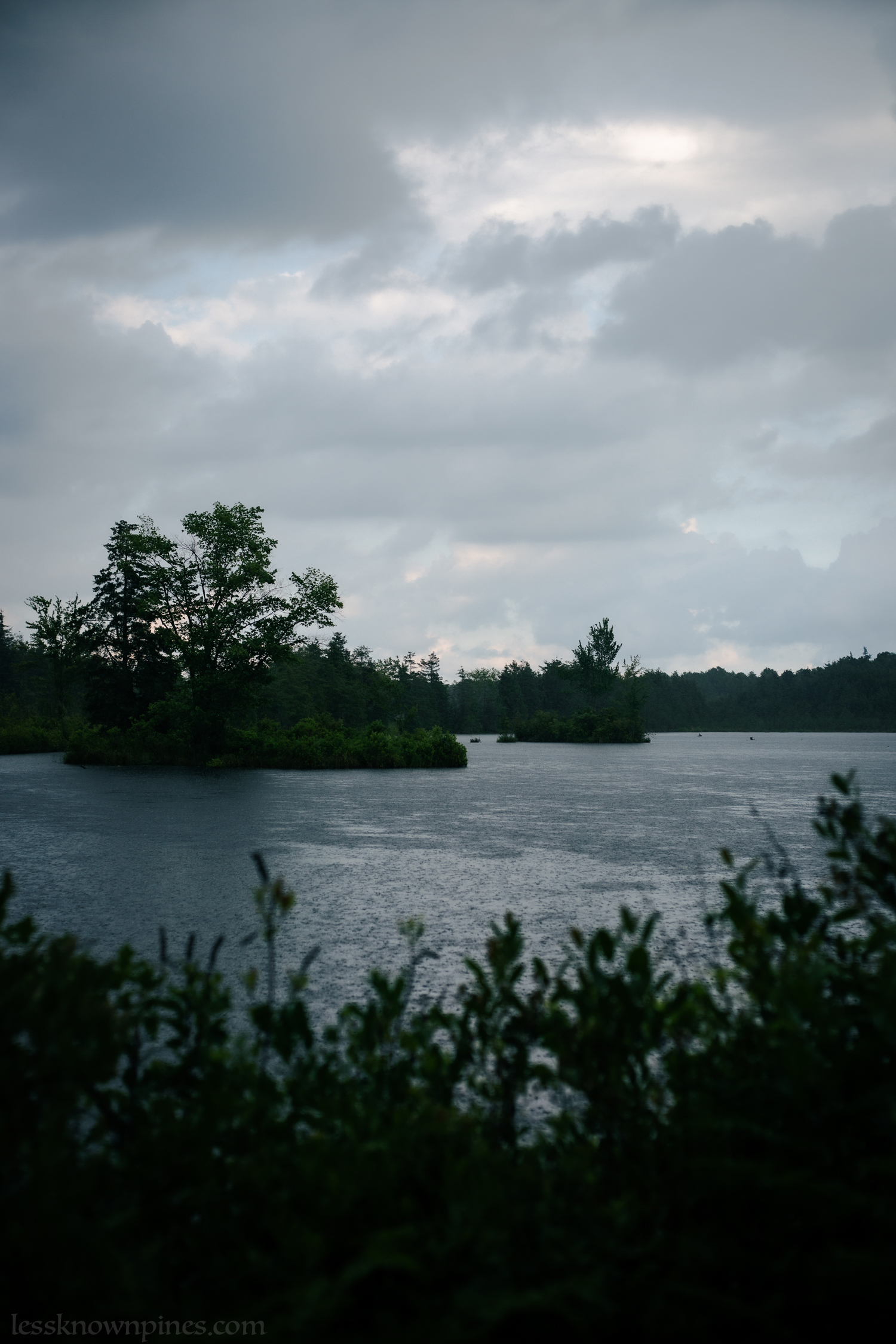
During late spring, the cedar ponds received more water during a warm, early June rainstorm.
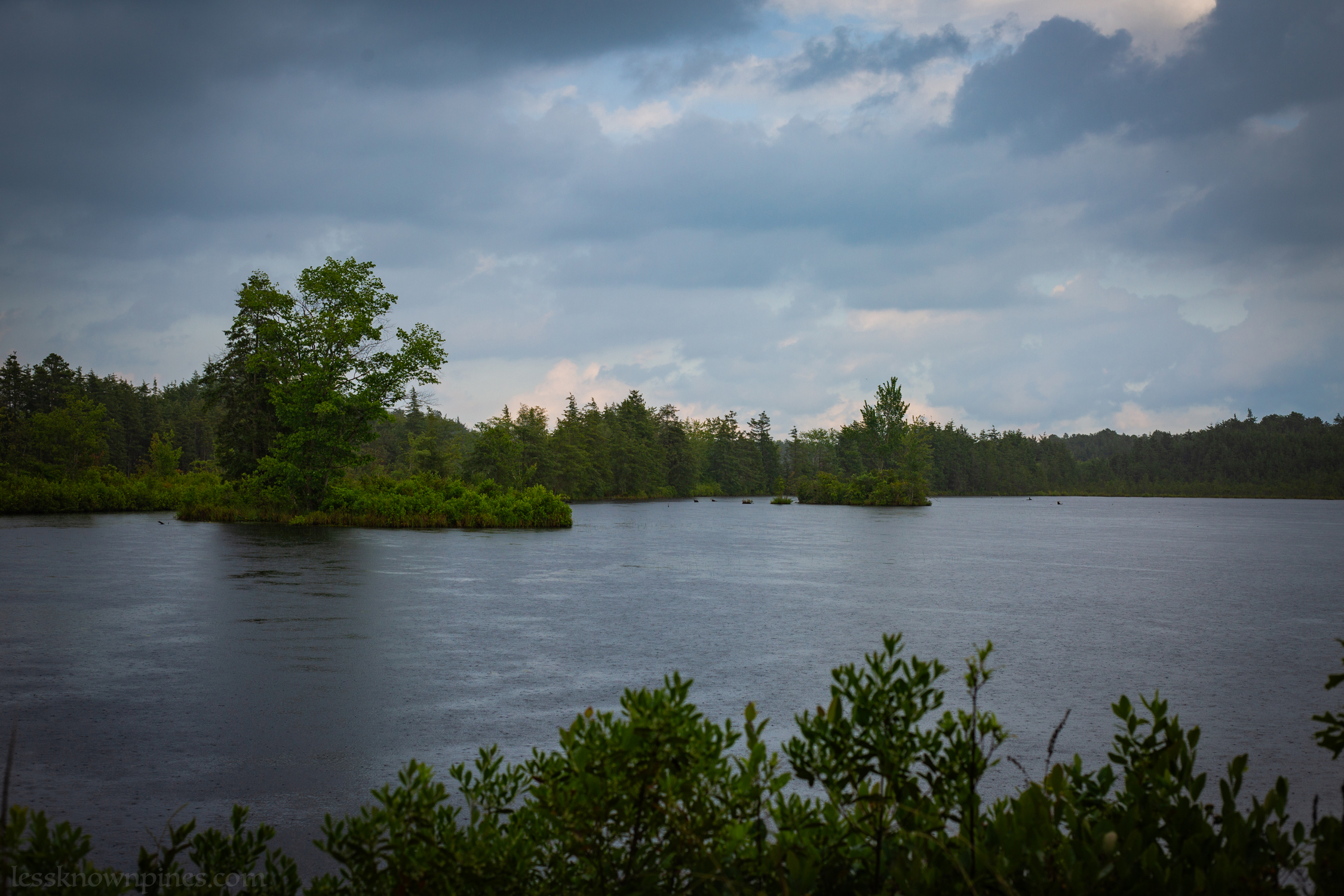
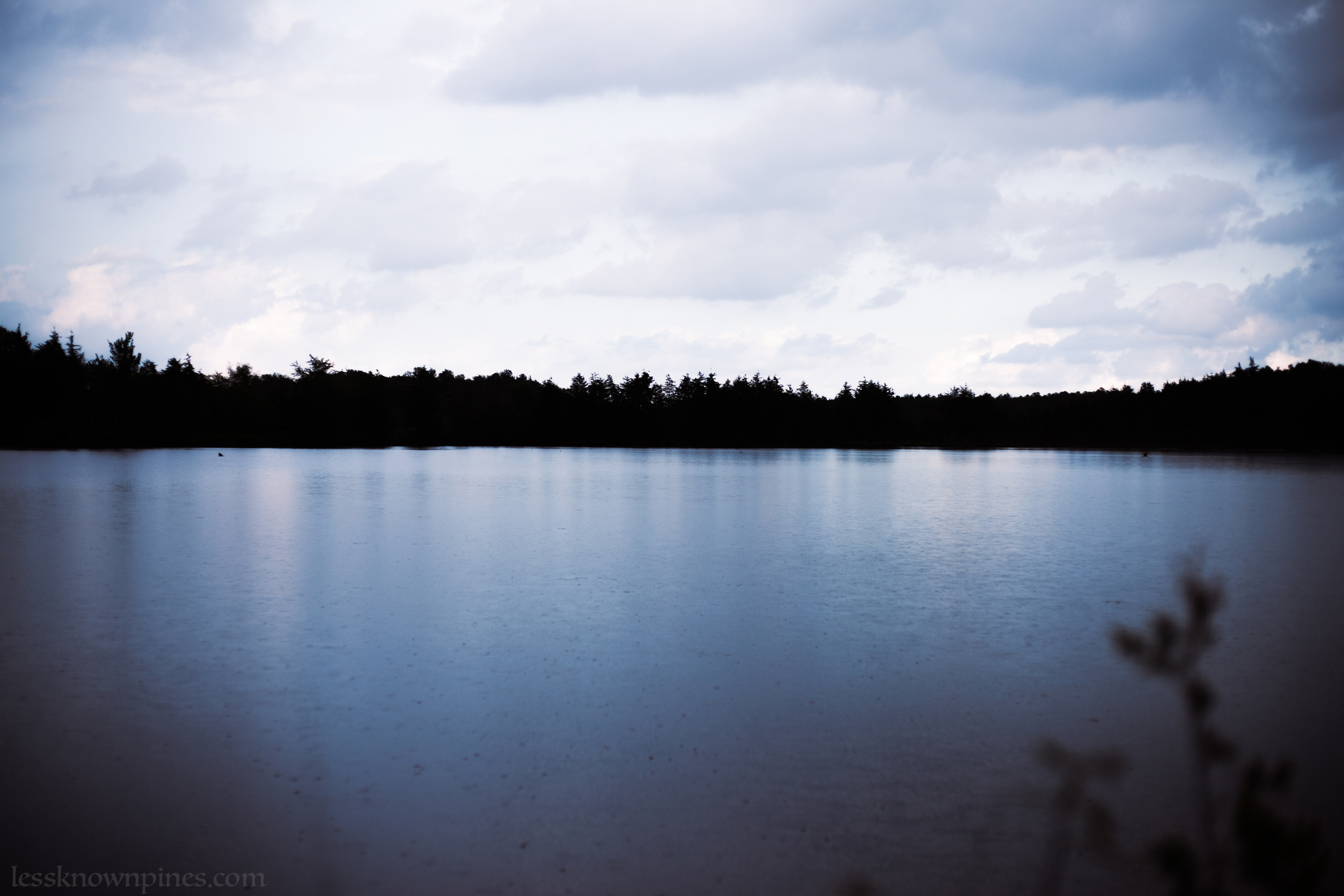 Man-made swamps during late-spring rainstorm
The opposite side of the lake is the horizon alone.
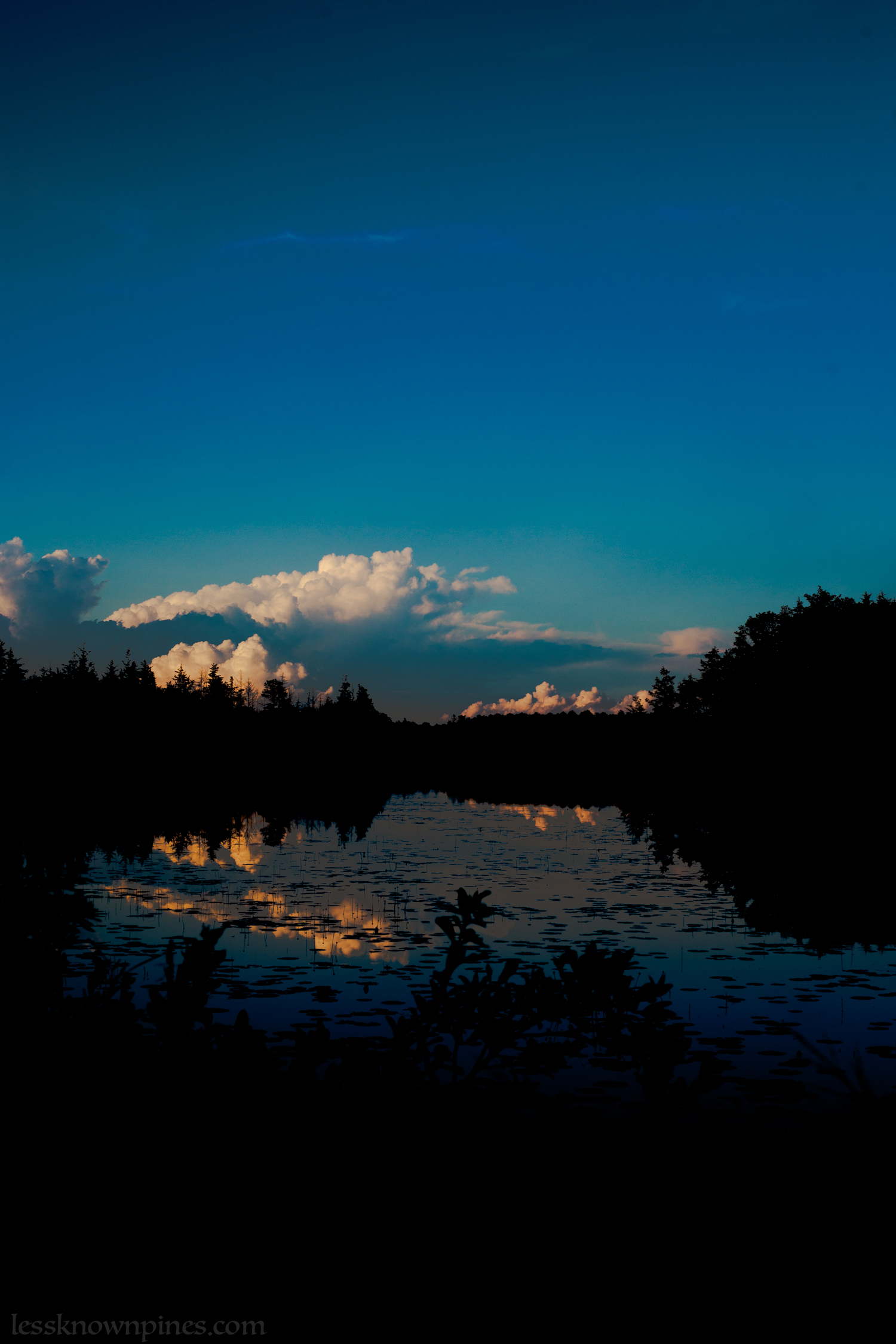
The Elder Tree
Within its own cedar forest, this tree is one of the older ones. Its trunk is larger with aged branches.
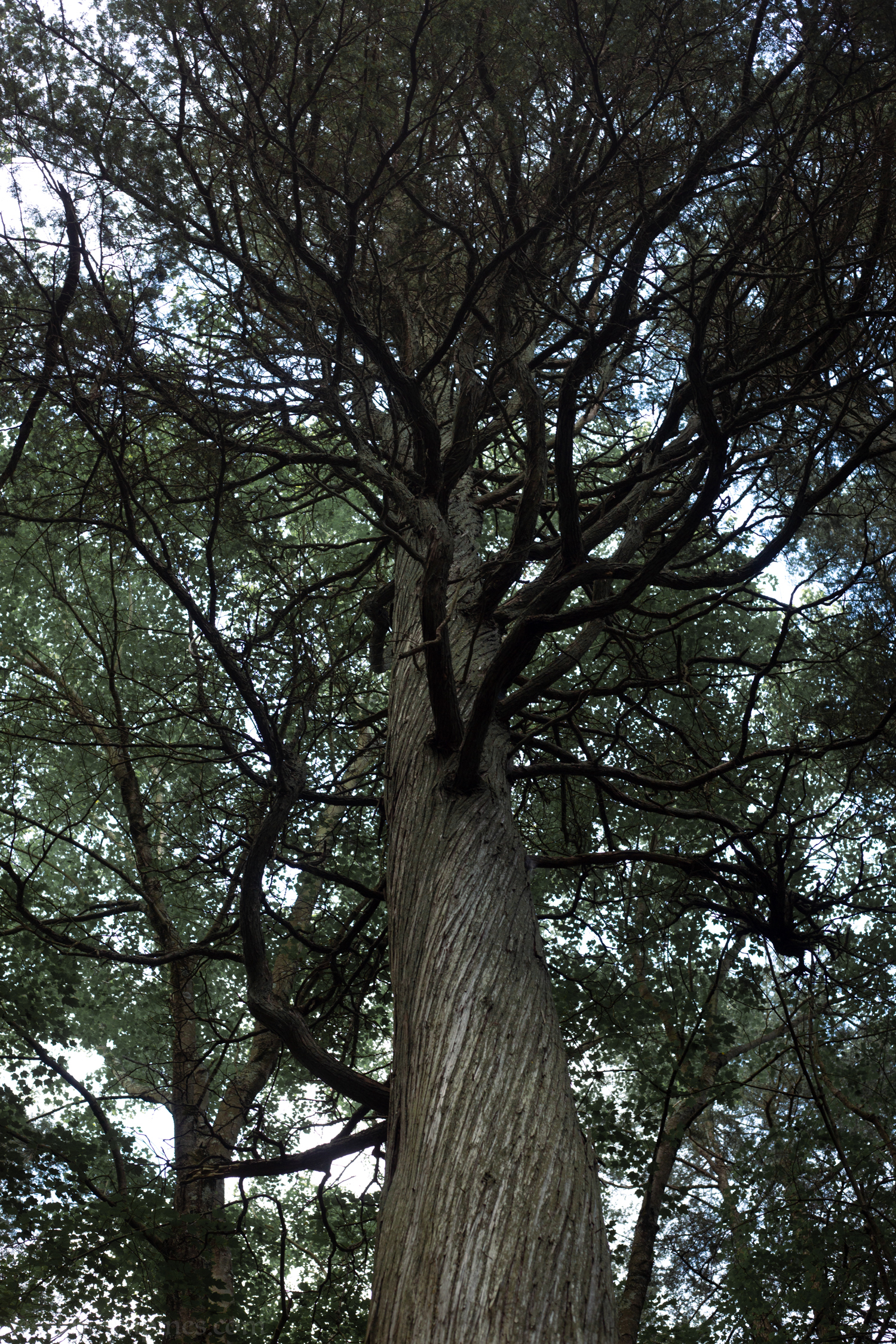
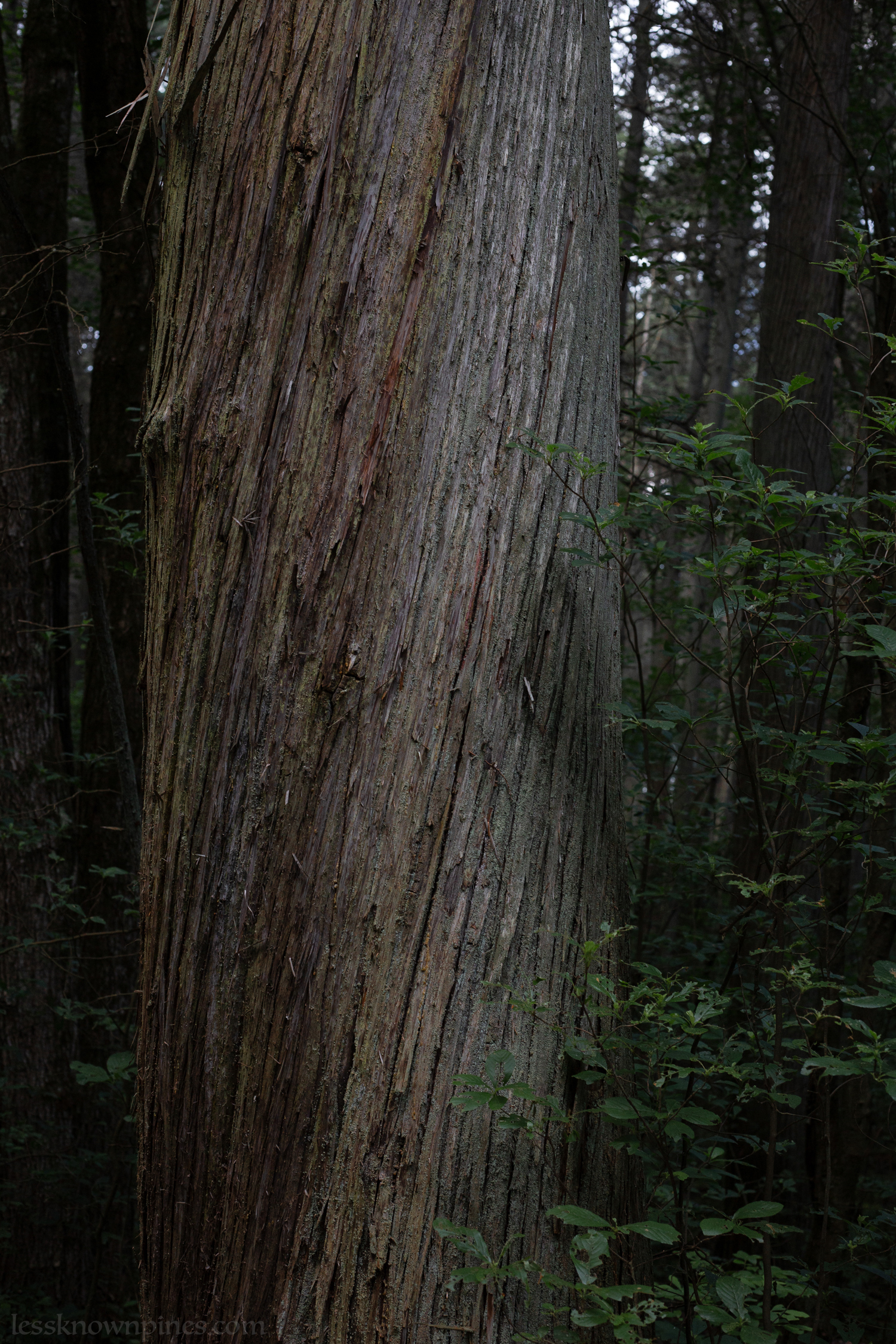 The elder tree of the forest
Civil Twilight Fog
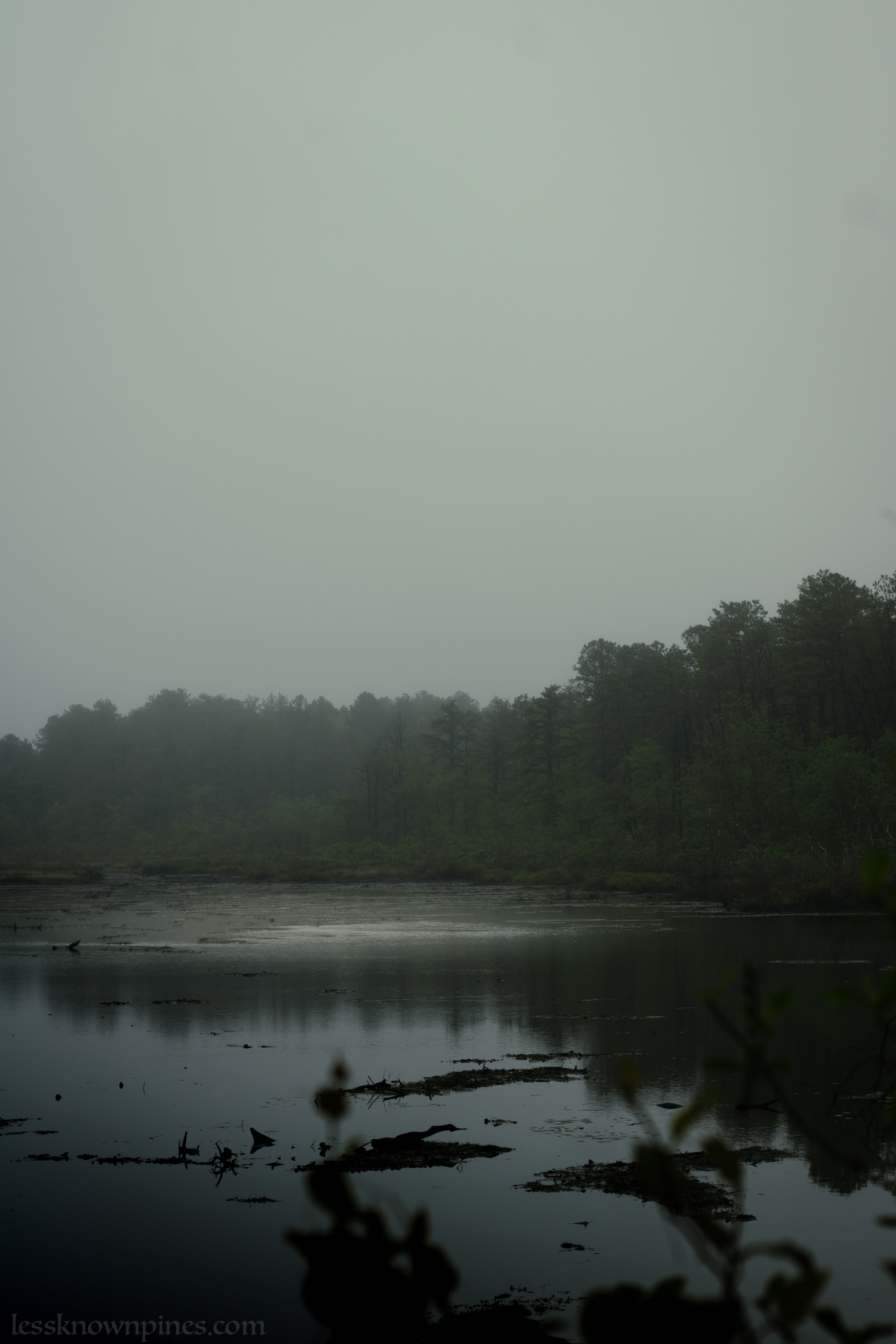
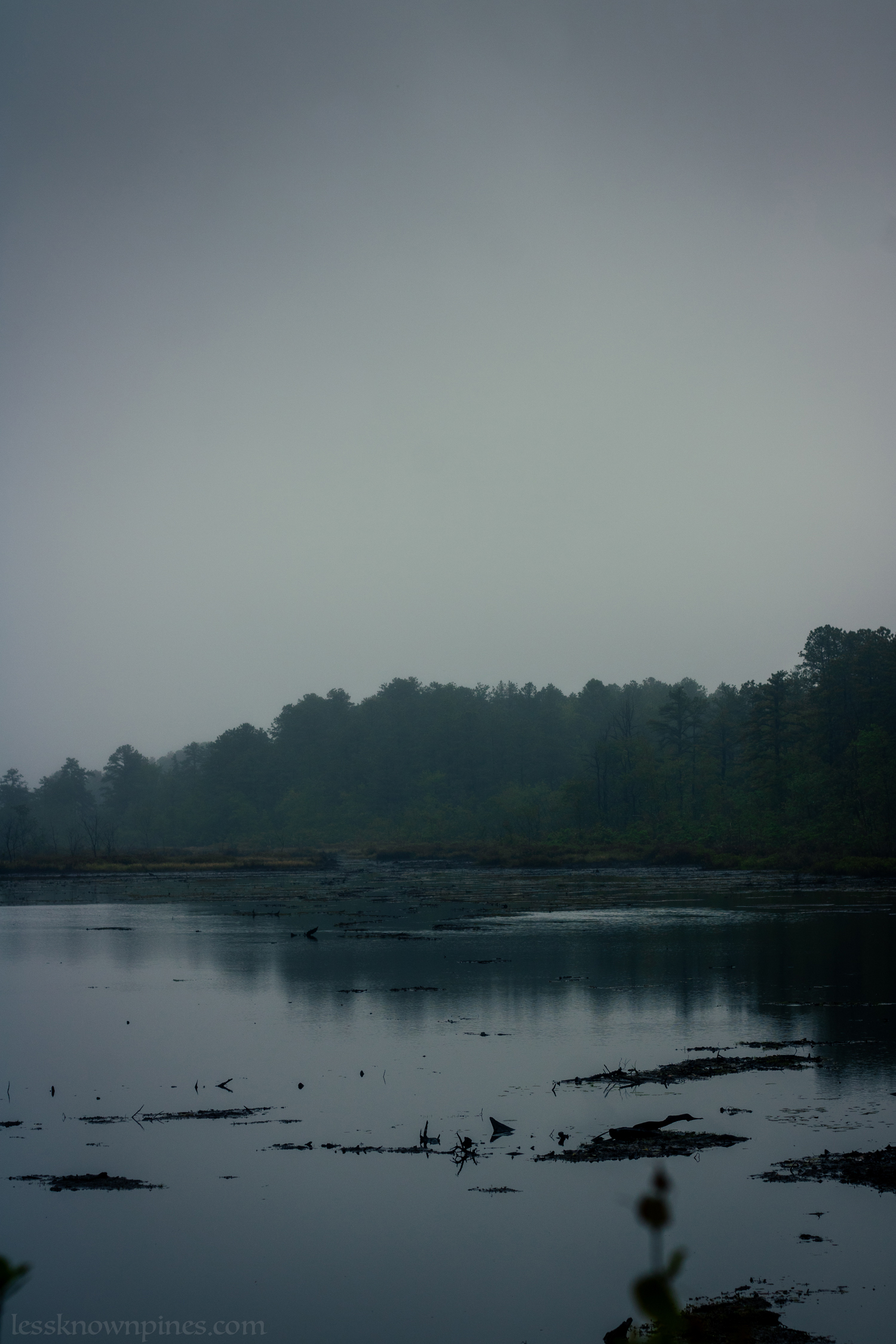
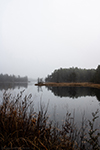
A warm, foggy evening during late spring. The fog surfaces the pond and mixes with the trees.
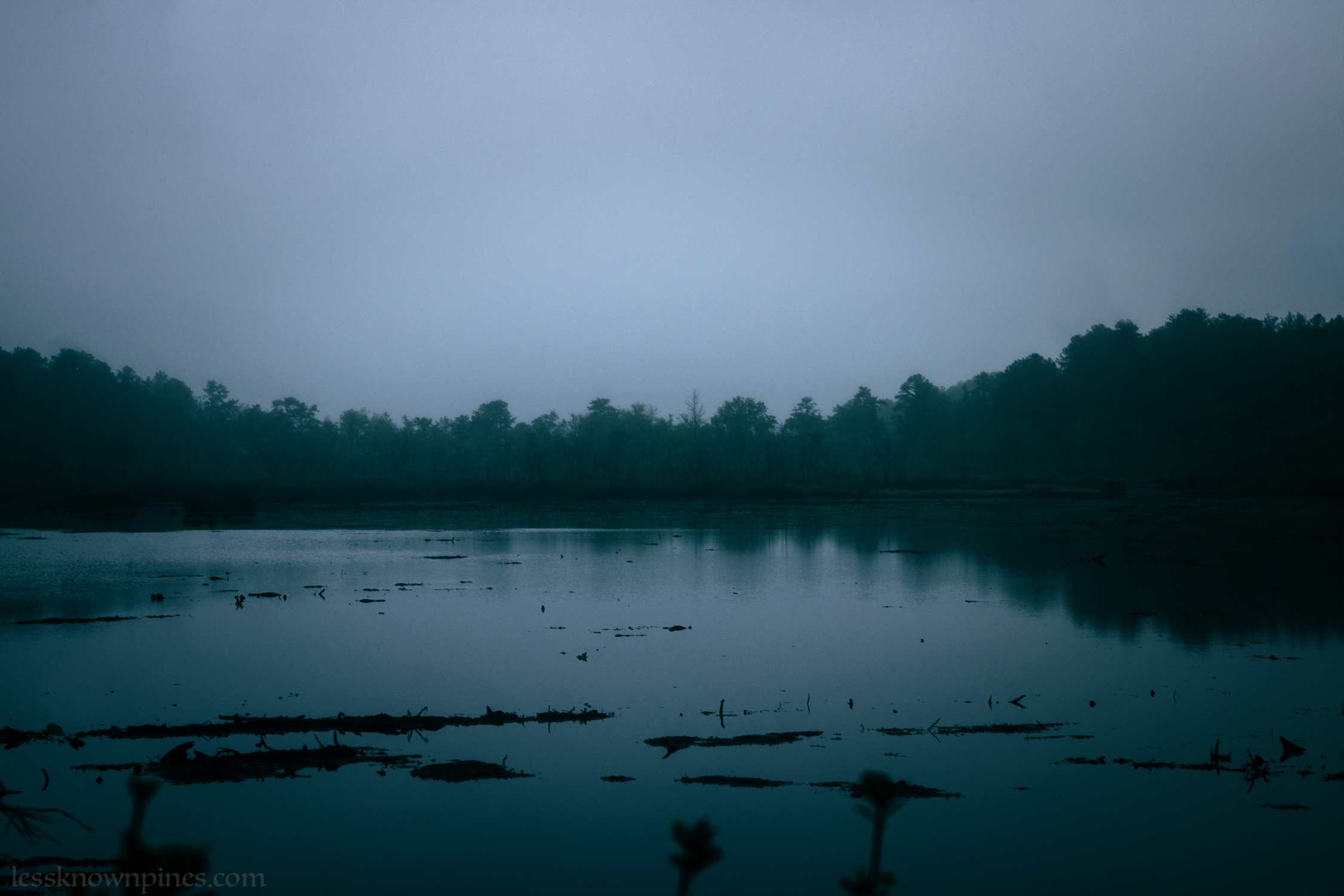
The little tree carcasses guard the forest and warn that you are entering hell.
If you keep going, the open pond will no longer be a pond but instead, you'll enter the forest. The forest is hell. This is hell.