



Lower Cedar Branch
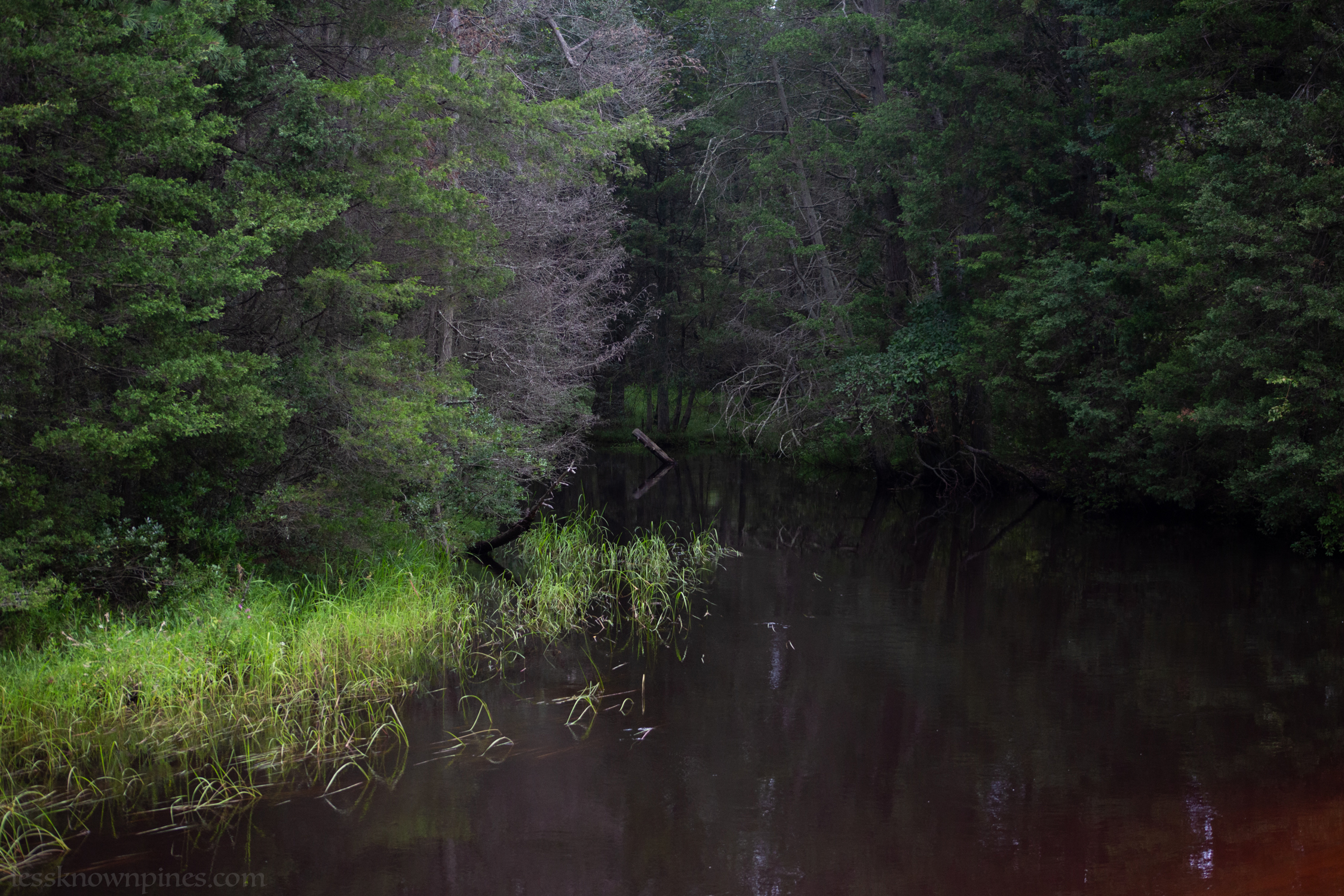
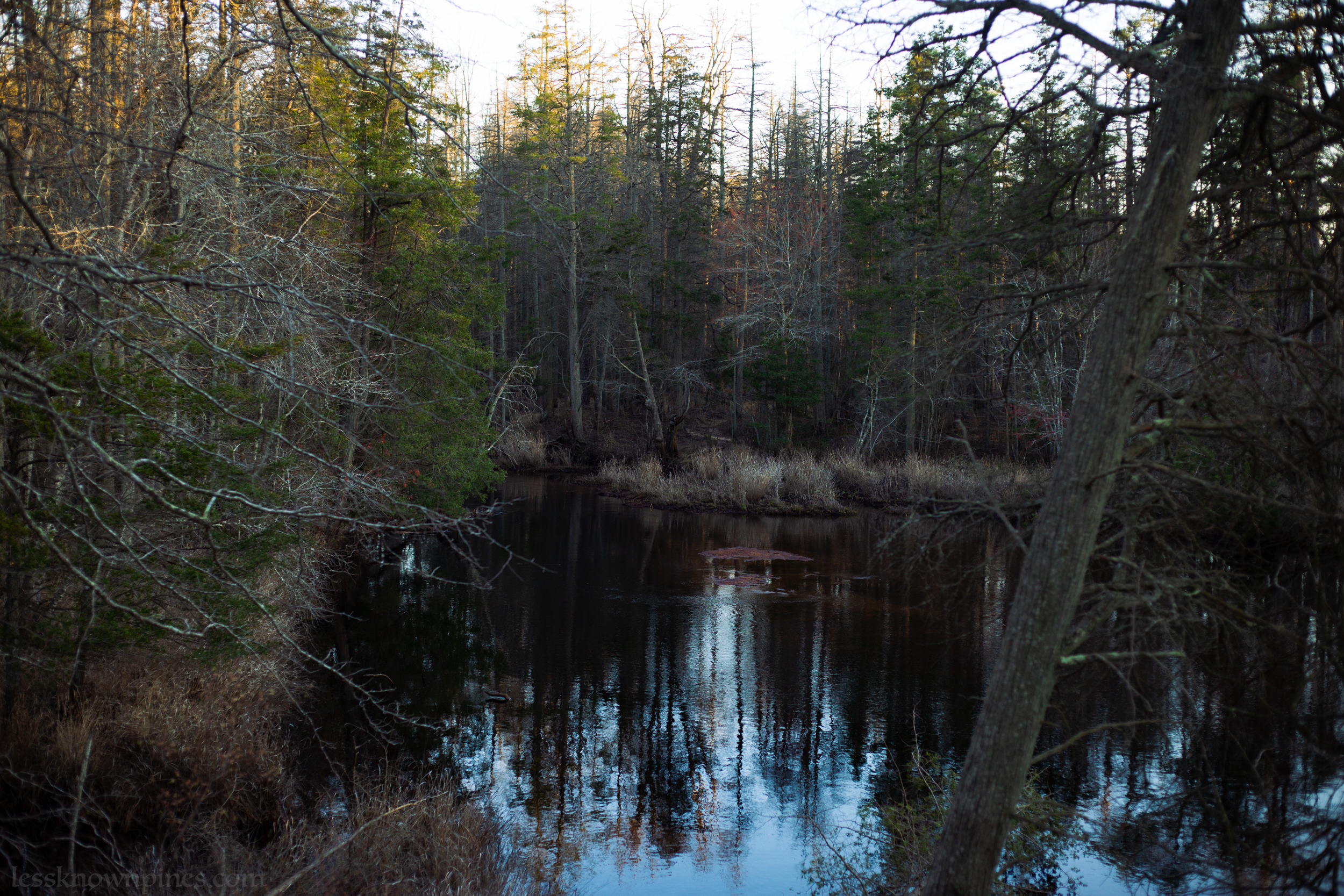
A tranquil area of Wharton State Forest. At a lower elevation, a river pond surrounds a cedar forest.
Much of the soil has washed away, revealing the roots. The roots grow in unique ways after the surrounding soil has disappeared.
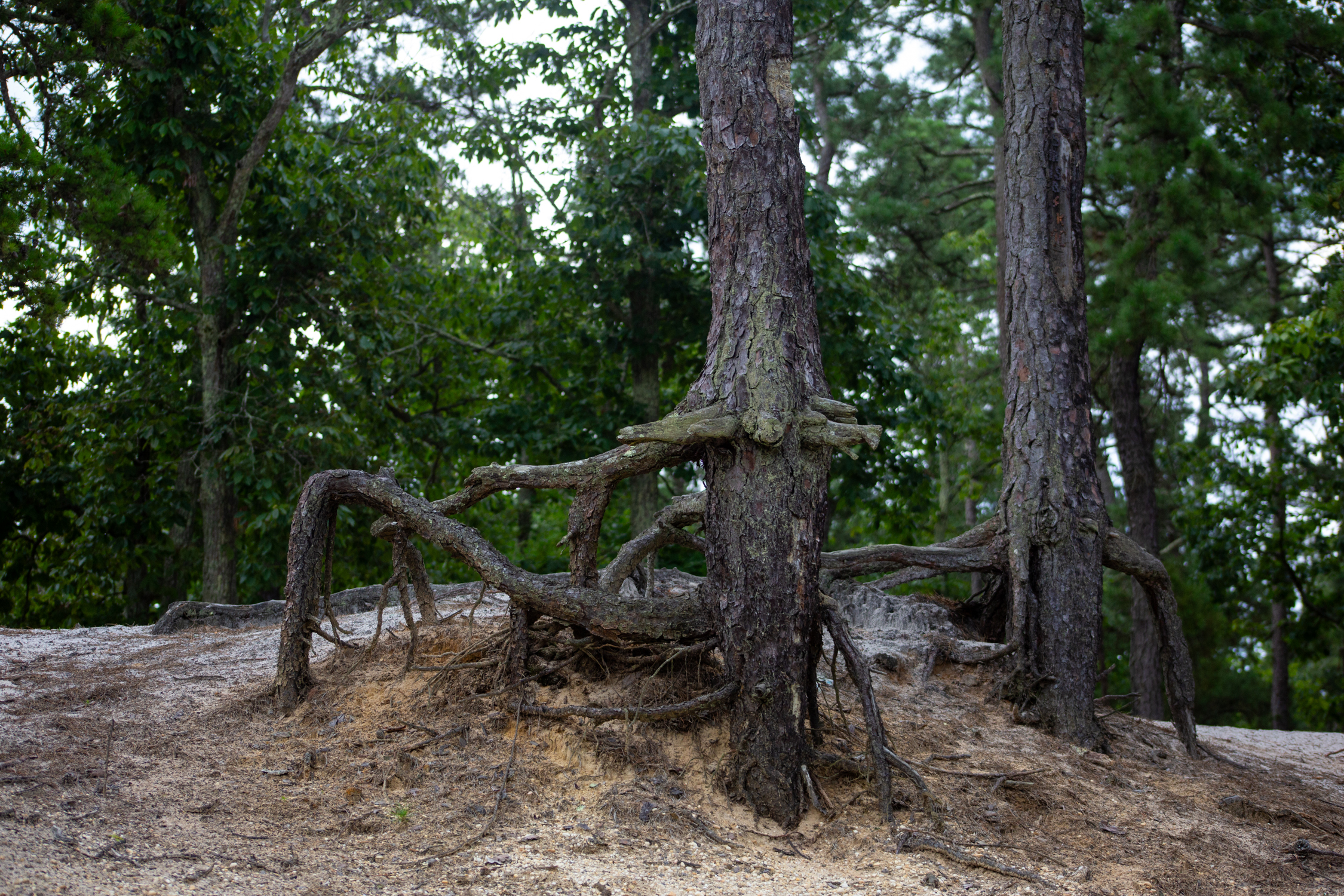
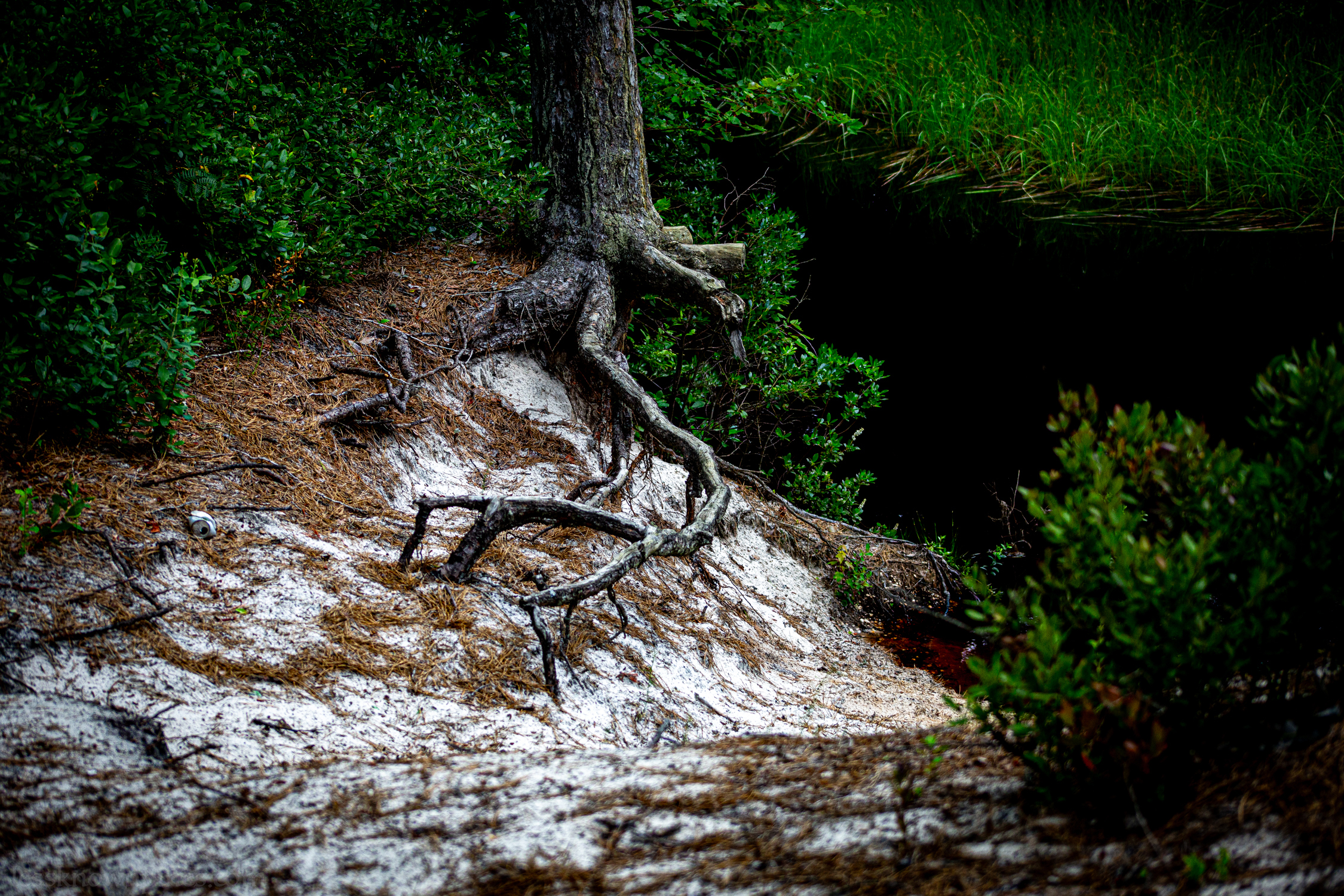 The smaller roots latch onto the ground on the opposite side of the pond
Lower Pond
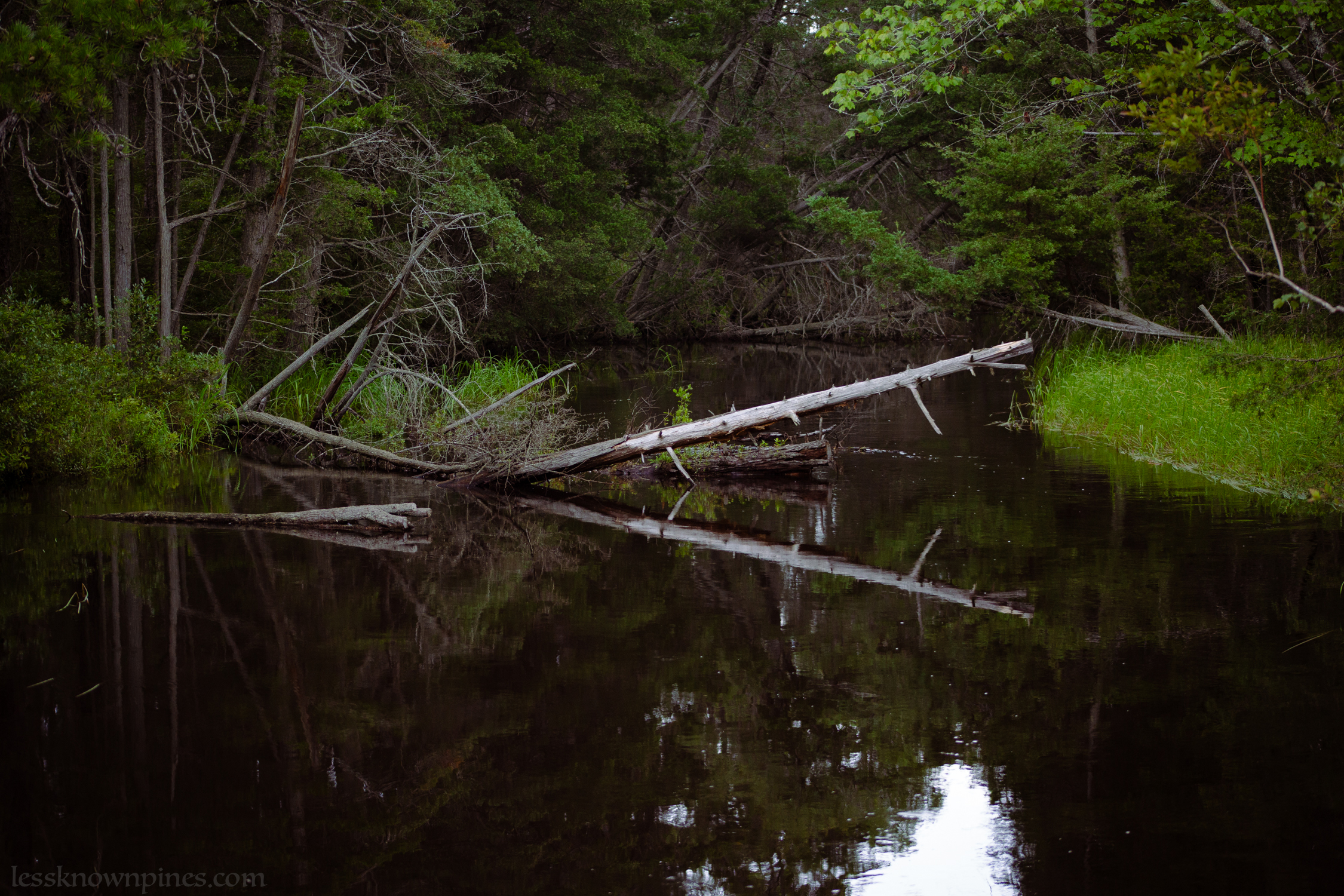
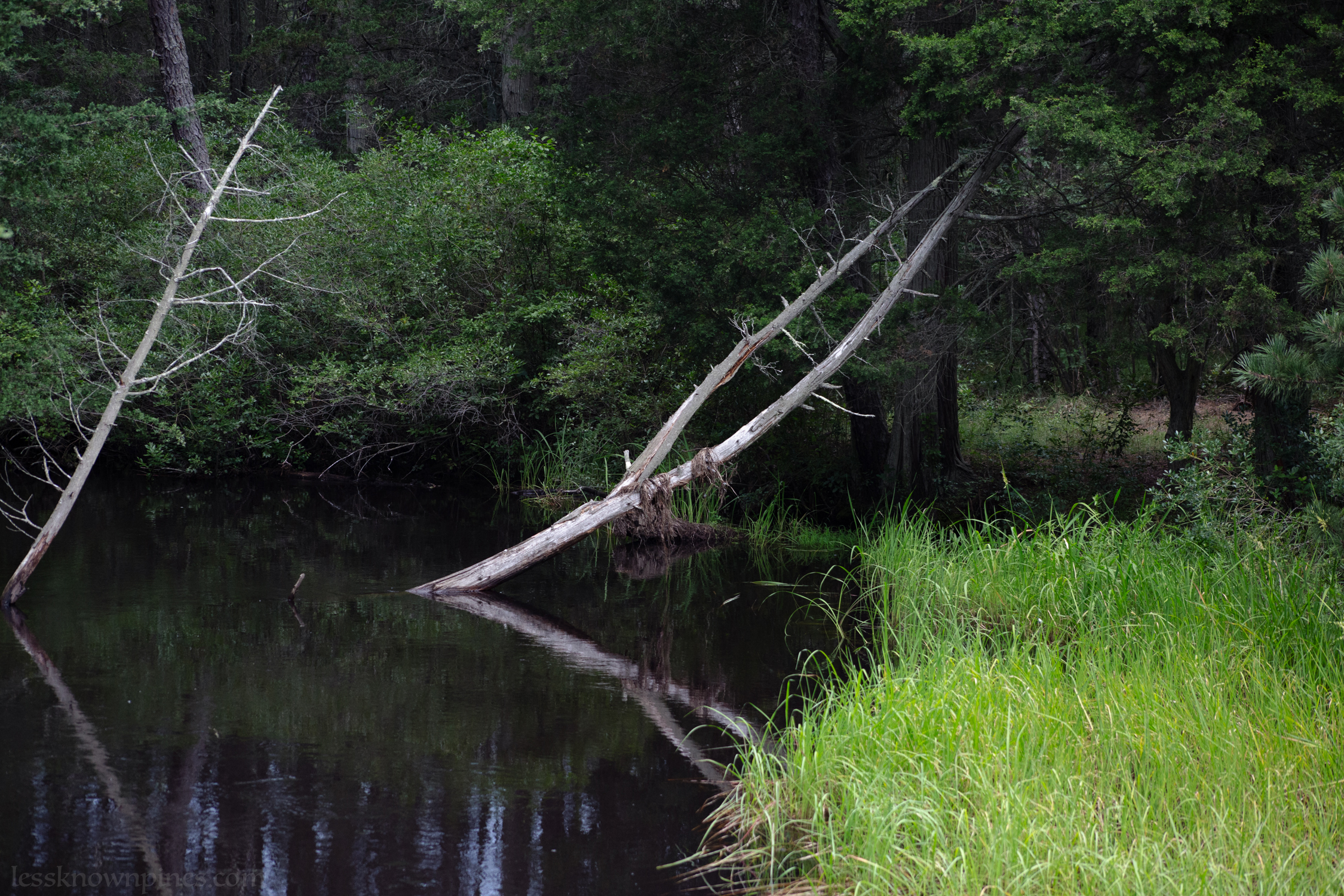
Since cedar forests are very compact and dense, trees fall and grow at a greater rate than those in upland forests. Because of this, you will see many more fallen and dead cedar trees than you would within the uplands.
When cedar trees fall over with their roots, a hole in the ground is created, which can become a new addition to the pond or may even become a new pond in itself.
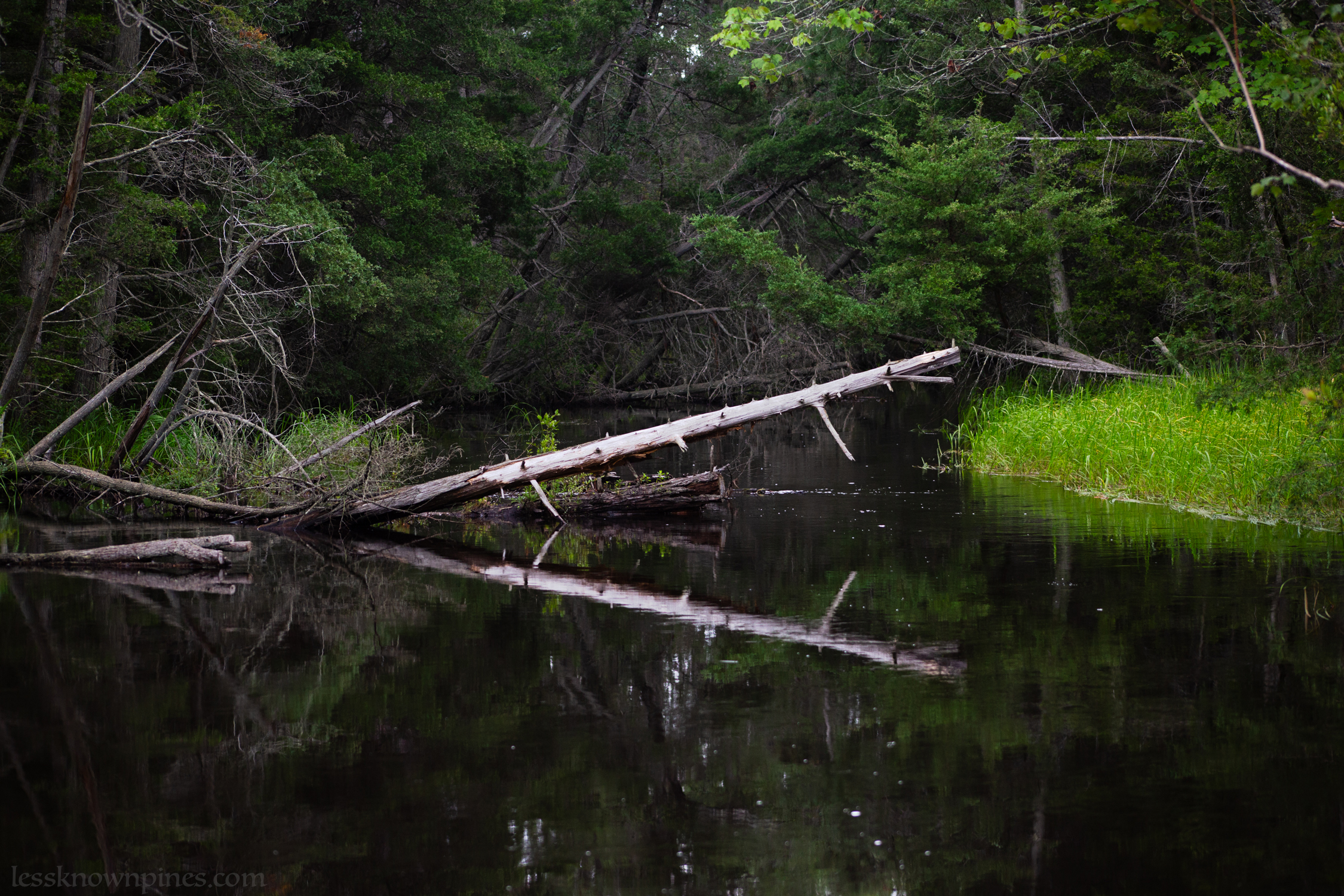
Trees fallen by the roots make new ponds
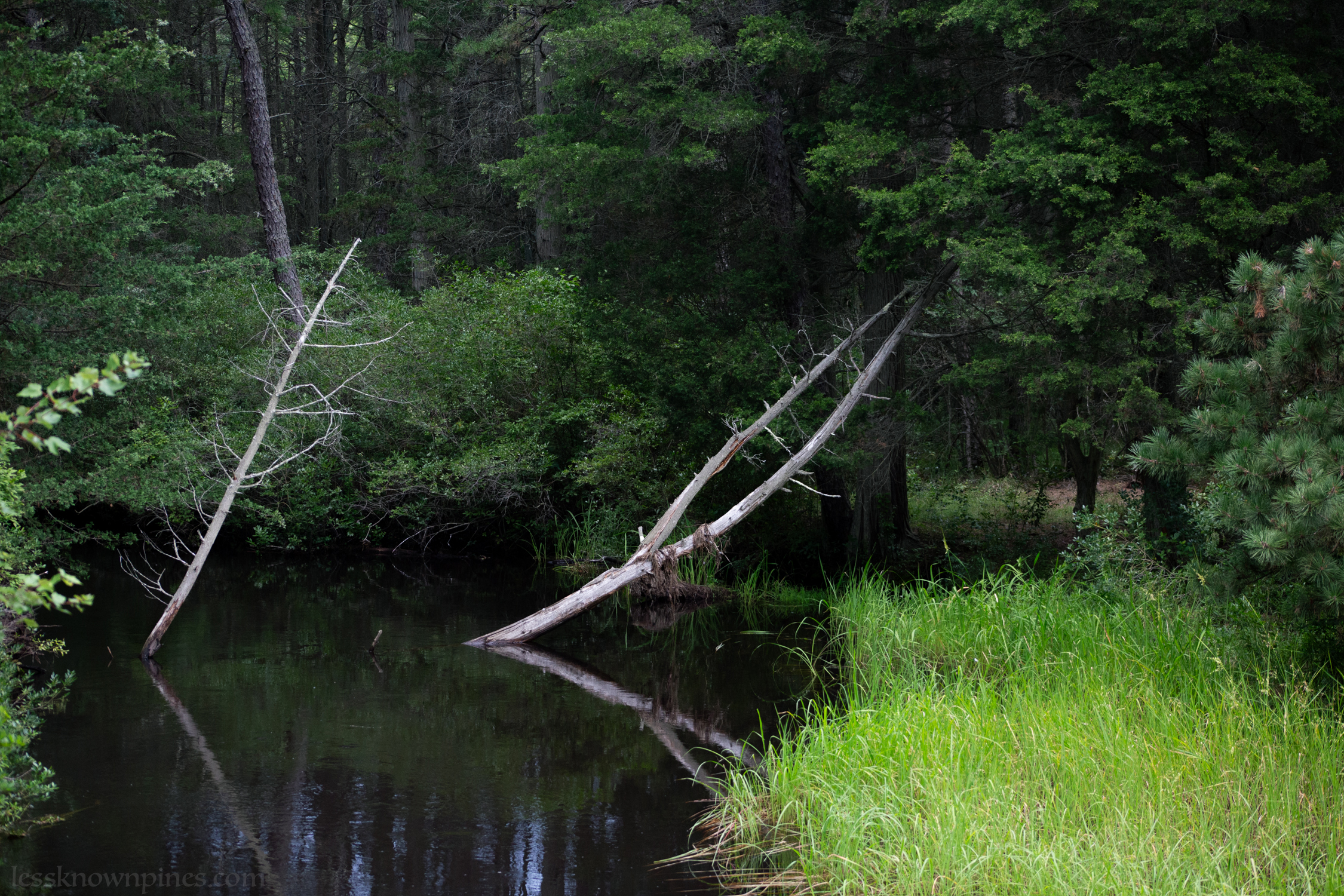
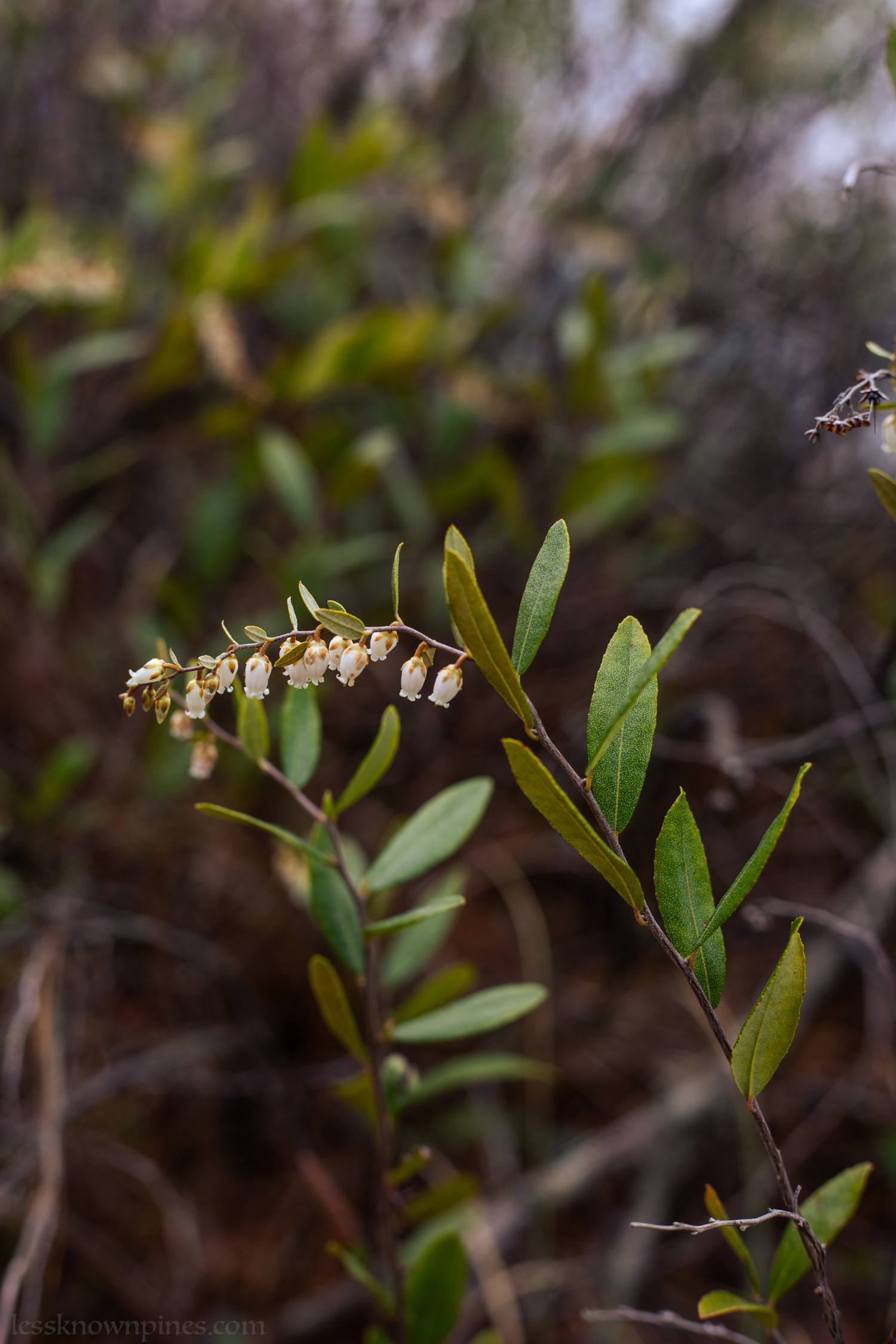
A devil leaves its pitchfork laying around
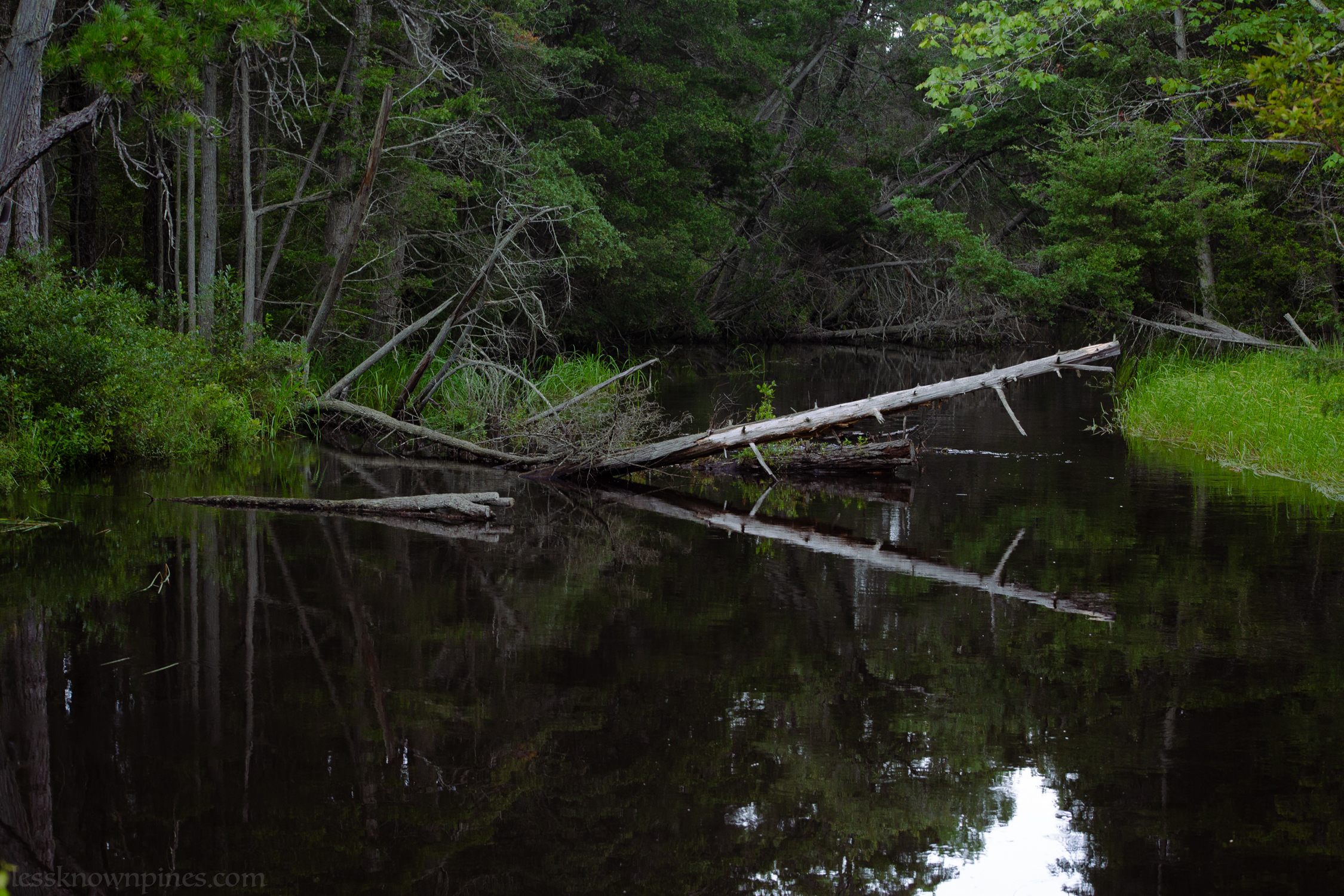
Lower elevation rivery cedar swamp